

Listen here:
A study suggests that neurological damage can trigger cardiac complications in horses, a phenomenon well known in human medicine.
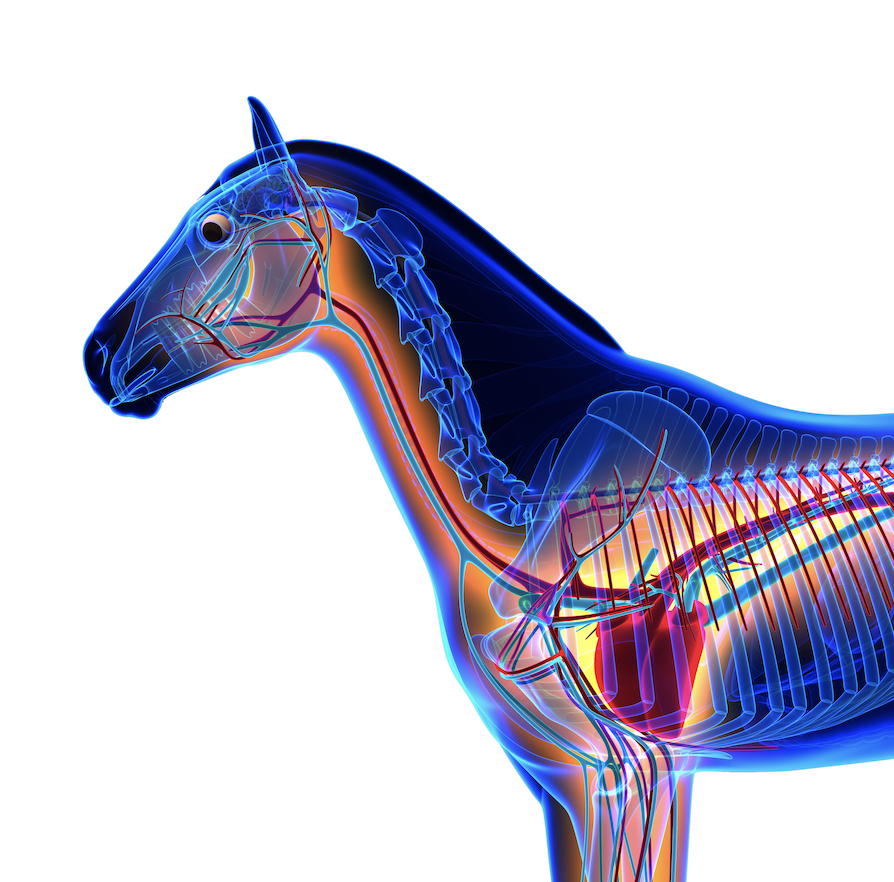
Researchers at the University of Sydney in Australia and Sydney and Cardenal Herrera University (CEU) in Valencia, Spain, documented three cases where horses with no previous heart problems developed severe cardiomyopathy (weakening and/or dysfunction of the heart muscle) after neurological injury.
The first case involved a Shetland pony stallion diagnosed with cardiomyopathy, including arrhythmias, in the wake of seizures brought on by the accidental injection of the sedative xylazine into an artery. In the second case, a 20-year-old crossbred mare was diagnosed with acute cardiomyopathy after seizures brought on by a venous air embolism that occurred after the accidental disconnection of a fluid line during recovery from surgery. The third case was a 4-year-old Thoroughbred gelding that died after sustaining acute brain injury from a backward fall.
Both surviving horses showed elevated concentrations of the protein troponin, a biomarker for heart-muscle damage. The deceased horse also showed signs of cardiac injury. Postmortem examination revealed hemorrhages and necrosis in several areas of his heart muscle.
While noting that their findings do not establish a causal relationship between neurological injury and cardiac complications, the researchers say the three cases in their study “suggest that it is likely and plausible that cardiomyopathy of neurologic origin can occur in horses following acute brain injury of different causes.”
Based on these findings, they recommend that horses experiencing acute neurological events undergo cardiac monitoring, “including continuous ECG and plasma cTnI measurements, to identify the presence and severity of myocardial damage and apply further treatment if needed.”
Reference: “Can acute neurological disease cause cardiomyopathy in horses?” Animals, May 2025