

Listen here:
Researchers are closer to understanding the heritability of recurrent laryngeal neuropathy (RLN), a respiratory condition in horses often referred to as “roaring.”
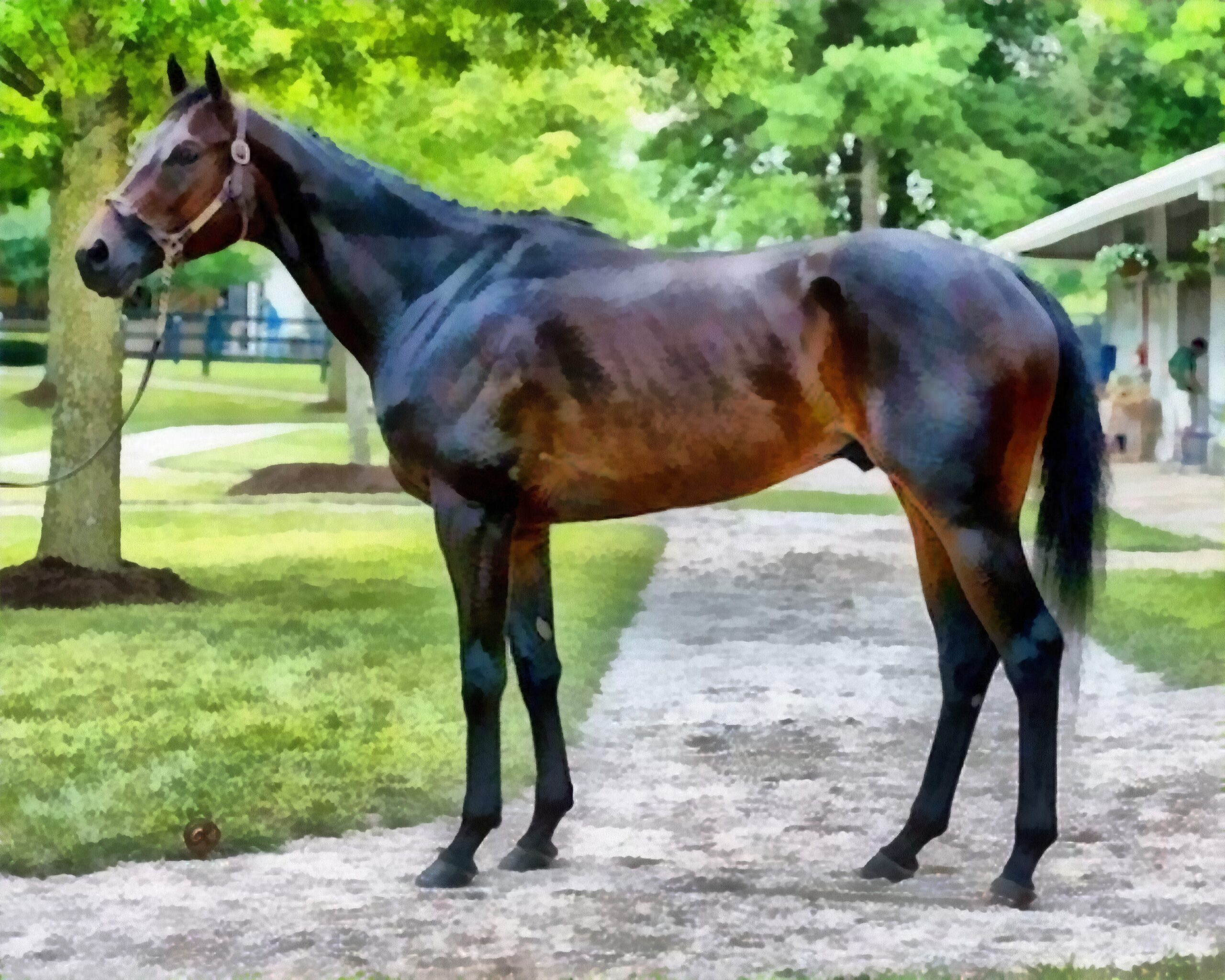
to as “roaring,” is more common in larger horses with longer necks. (Adobe Stock)
In RLN, the nerves serving the larynx weaken. This leads to paralysis of the organ’s muscles, which in turn inhibits airflow, especially during exercise. In addition to causing wheezing or rasp-ing (roaring) respiratory sounds, RLN often interferes with performance.
The condition is more common in larger horse breeds that tend to have longer necks, suggesting a genetic component that researchers at the University College Dublin in Ireland set out to investigate.
Their study was based on 235 Thoroughbreds—110 had an RLN diagnosis, confirmed with endoscopic exams as they exercised, and the remaining 125 served as controls. The researchers took blood samples from the horses, then extracted and mapped their DNA. From this analysis, they identified a set of genetic markers that appear to be associated with RLN.
These findings, the researchers say, may be useful for the development of a genetic-based screening test to identify horses at risk for RLN and may also assist in monitoring disease development. What’s more, they say, this information may make possible genetic testing that could guide breeding decisions that would ultimately reduce the prevalence of RLN in the equine population.
Reference: “A genome-wide association study for recurrent laryngeal neuropathy in the Thoroughbred horse identifies a candidate gene that regulates myelin structure,” Equine Veterinary Journal, January 2024.