

Retired racehorses often sport all manner of lumps and bumps on their legs, whether it’s windpuffs, an old splint or a thickened tendon. For the most part, these reminders of youthful pursuits look worse than they really are, and osselets, the fibrous and/or bony lumps that form on the front of ex-racehorses’ fetlock joints are among the most benign.
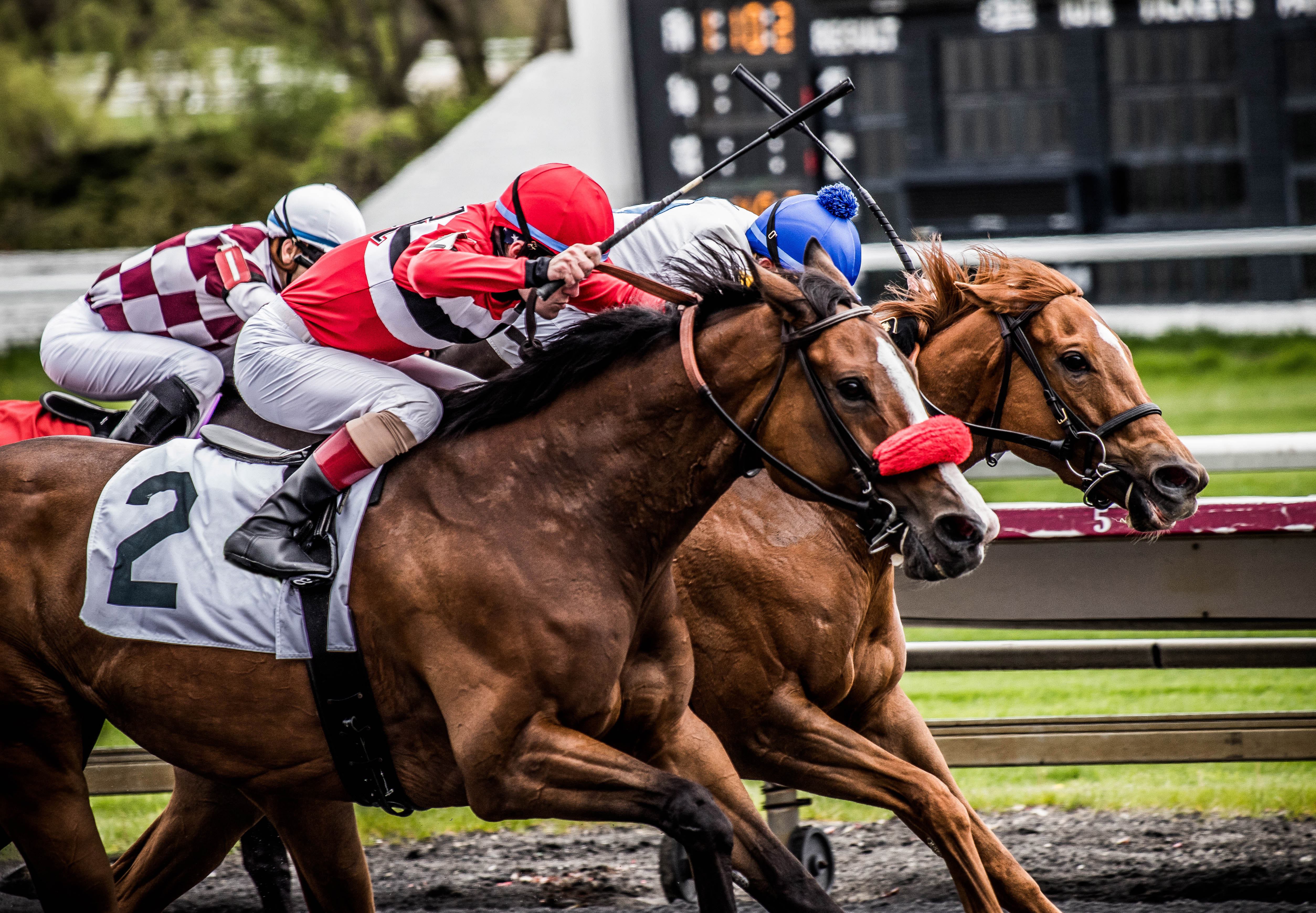
Osselets, which is from the Latin meaning “little bone,” are unique to horses who run for a living. During high-speed gallops, the fetlock joints of speed horses, particularly those with long pasterns, can dorsiflex (extend) so much that the pasterns sink almost parallel with the track surface. A callus of sorts forms on the joint’s front face where the top of the long pastern bone hammers against the lower end of the cannon bone.
Click here to learn what noisy joints may mean.
In the initial stages of osselet formation, the area is very sore, but once the horse is taken out of speed work, the pain subsides, and only the painless bony callus remains. Other swellings and bumps in the fetlock joint area-usually caused by a blunt injury, such as hitting a jump-are often referred to as osselets, but the term is correctly applied only to the bone changes associated with racing.
Osselets alone aren’t likely to interfere with a racehorse’s second career. If your ex-racer has these fetlock bumps but is working sound, chances are he will remain so. Occasionally, osselets are associated with joint damage that develops into arthritis. Such horses will experience progressive stiffness or lameness, but the osselets are not the actual cause.
This article first appeared in EQUUS #264.