

Even small changes to your aging horse’s performance or behavior can indicate osteoarthritis (OA), also known as degenerative joint disease (DJD). Arthritis develops as cartilage within the joint gradually breaks down, leading to inflammation, pain, and reduced mobility. While the disease cannot be reversed, researchers and veterinarians emphasize that proactive management can slow progression and keep older horses comfortable and active for years. Try these six strategies to better manage your senior horse with DJD.
1. Keep Senior Horses Moving
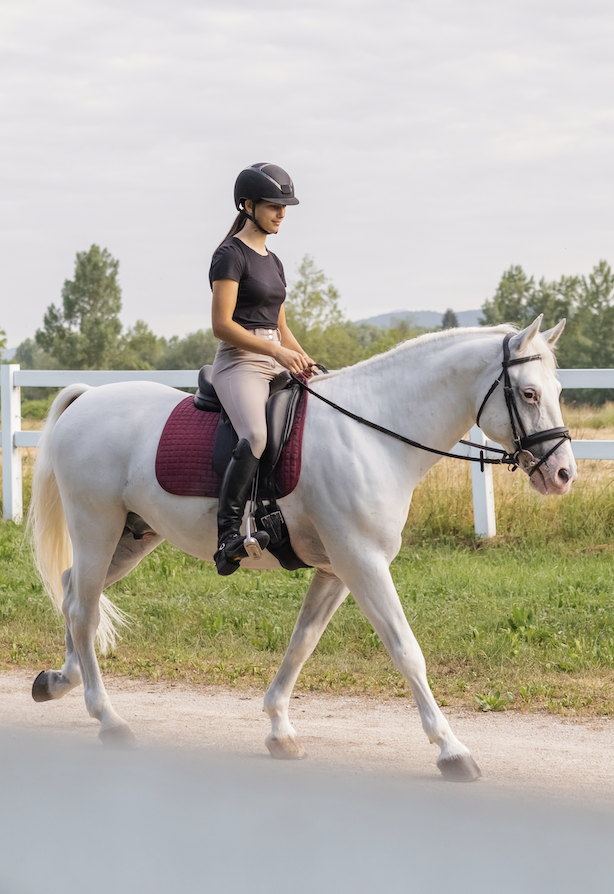
Regular low-impact exercise helps maintain mobility and promotes synovial fluid movement within the joint, lubricating and nourishing cartilage. Horses that remain lightly active often stay more comfortable than those with limited opportunities for movement. Pasture or paddock turnout is especially beneficial because it allows the horse to move freely and avoid stiffness associated with prolonged confinement.
2. Maintain Your Horse’s Healthy Body Condition
Excess body weight increases stress on joints, especially in the lower limbs. Even modest weight gain can worsen discomfort in horses already suffering from DJD. Helping your horse maintain a body condition score of 4-5 (on the Henneke scale) through appropriate feeding and exercise helps reduce strain on his joints and supports overall musculoskeletal health.
3. Support Equine Joints Using Supplements
In some cases your veterinarian might recommend adding a joint supplement to your horse’s diet. Products containing ingredients such as glucosamine, chondroitin sulfate, hyaluronic acid, or omega-3 fatty acids might help support cartilage health and manage inflammation. Work with your veterinarian or an equine nutritionist to choose a research-backed supplement that supports the horse’s broader management program.
4. Work With Your Veterinarian on Medical Therapies
Veterinarians have several tools available to help manage pain and inflammation caused by DJD. These can include intra-articular (joint) injections and systemic anti-inflammatory medications administered orally or by injection. Depending on the therapy used, treatments can help reduce inflammation, relieve pain, and support joint function in horses with OA. Veterinarians individualize treatment plans based on the joints affected, the horse’s workload, and the severity of disease.
5. Optimize Horse Hoof Care and Biomechanics
Proper hoof balance helps reduce joint strain. Uneven trimming or shoeing can alter limb mechanics, increasing stress on already compromised joints. Routine farrier care and, including therapeutic shoeing when needed, can help improve limb alignment and distribute forces more evenly.
6. Adjust Senior Horse Work and Monitor for Early Changes
Older horses often benefit from longer warmups and reduced workloads. Small adjustments such as limiting repetitive high-impact work or avoiding hard ground can help protect joints from additional stress.
Recognizing subtle signs of discomfort, including reluctance to move forward, shortened stride length, or resistance under saddle can help you and your veterinarian address DJD in the early stages.
Take-Home Message
Osteoarthritis is one of the most common health challenges in aging horses, but it doesn’t have to end a horse’s active life. Consistent exercise, careful weight management, proper hoof care, nutritional support, and veterinary therapies can all help keep senior horses comfortable. With thoughtful management and early attention to changes in movement, many horses with arthritis can remain active partners well into their later years.