

Once foals are weaned from their mothers, they depend entirely on the forage and concentrate they consume to meet their nutritional needs. A delicate balance between protein, energy, vitamins, and minerals exists to help support strong growth without oversupplying nutrients, which could potentially cause developmental orthopedic diseases (DOD). Here are 10 tips for feeding young horses from the weanling stage through early training.
Considerations for Feeding Young Horses
1. Introduce concentrates gradually.
Foals can be introduced to a balanced creep feed when they are around 2 months old. They should transition slowly to a balanced young horse ration before and continue after weaning.
2. Prioritize high-quality forage at every age.
Free-choice quality hay or pasture should be the foundation of the diet, supporting digestive health and steady nutrient intake. Horses should receive at least 1.5-2% of their body weight in forage per day on a dry matter basis (nutrient concentrations after all moisture is removed).
3. Support a moderate, steady growth rate.
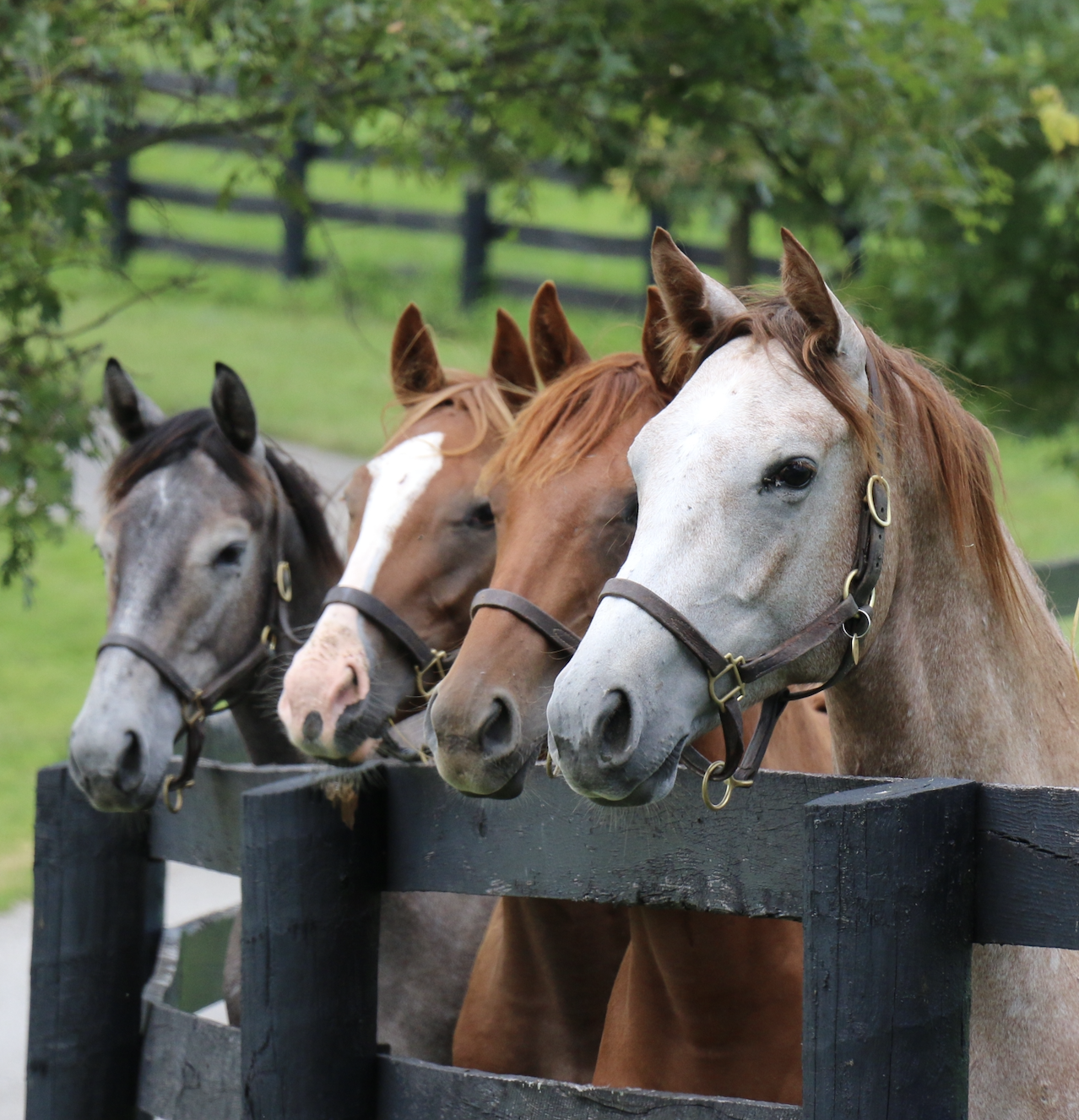
Overfeeding calories and energy for rapid weight gain can increase the risk of DODs such as physitis and osteochondritis dissecans (OCD).
4. Feed age-appropriate diets.
Young horses need higher levels of protein, energy, vitamins, and minerals than adults. For example, weanlings need 14-16% crude protein (CP) and approximately 13.3 to 16.5 megacalories (Mcal) of digestible energy (DE). As yearlings they need 12-14% CP and about 18-25 Mcal DE.
5. Balance minerals.
Proper mineral balance is especially important in the calcium:phosphorus ratio, which should be 2:1. The zinc:copper ratio should be around 4:1. These minerals support bone development, and incorrect ratios can lead to compromised immune systems, DOD, and other health issues. In some cases supplementation helps correct imbalances.
6. Choose lower-starch balanced diets.
Diets high in fat and fiber reduce blood glucose spikes and lower the risk of gastric ulcers and DOD. Keep total dietary fat moderate (5-8% of the total diet on a dry matter basis) to help avoid young horses gaining too much weight.
7. Monitor body condition closely.
Regularly assess weight and body condition score, which should stay between 4 and 5 on the 9-point Henneke body condition scoring scale. Adjust feed quantities accordingly to maintain weight. Young horses should not look excessively fleshy (a body condition score of 6 or more).
8. Meet increased nutrient needs when in training.
Once young horses have grown up enough to start basic training, they need higher caloric and protein intake (compared to adult performance horses) to support continued growth as well as work demands. For example, 2-year-olds in training often need diets that provide roughly 1.2 Mcal of digestible energy per pound to meet both growth and exercise demands.
9. Feed frequent, smaller meals.
Divide concentrate portions across two or more smaller feedings to support digestion and help prevent gastric ulcers or digestive upset.
10. Seek the help of a professional
If you aren’t sure about what you are feeding, contact an experienced equine nutritionist or your veterinarian for help.
Take-Home Message
Young horses have specific nutritional needs as they grow, but overfeeding them can lead to developmental issues. Once their growth rate starts to slow as yearlings, the diet can shift toward more forage and less dense concentrates, at least until their training begins. With increased physical output, their nutritional requirements could change again. To balance these changes work with a qualified equine nutritionist or your veterinarian to help tailor a feeding program appropriate for your unique situation.