

Feeding performance horses isn’t about adding more feed to their bucket when the workload increases. It requires precision through balancing energy supply, supporting gut health, and meeting your horse’s nutrient requirements. Regardless of discipline, building an appropriate feed program can support your horse’s performance and longevity.
1. Forage First for Equine Athletes
Even for performance horses, forage remains the foundation of the diet. High-quality hay and pasture provide fermentable fiber, support hindgut health, and help reduce ulcer risk. Equine nutritionists recommend most horses consume about 2% of their body weight in forage daily, which can include pasture, long-stem forage, pelleted or cubed forage, and chopped hay.
2. Feed for the Horse’s Workload, Not the Discipline
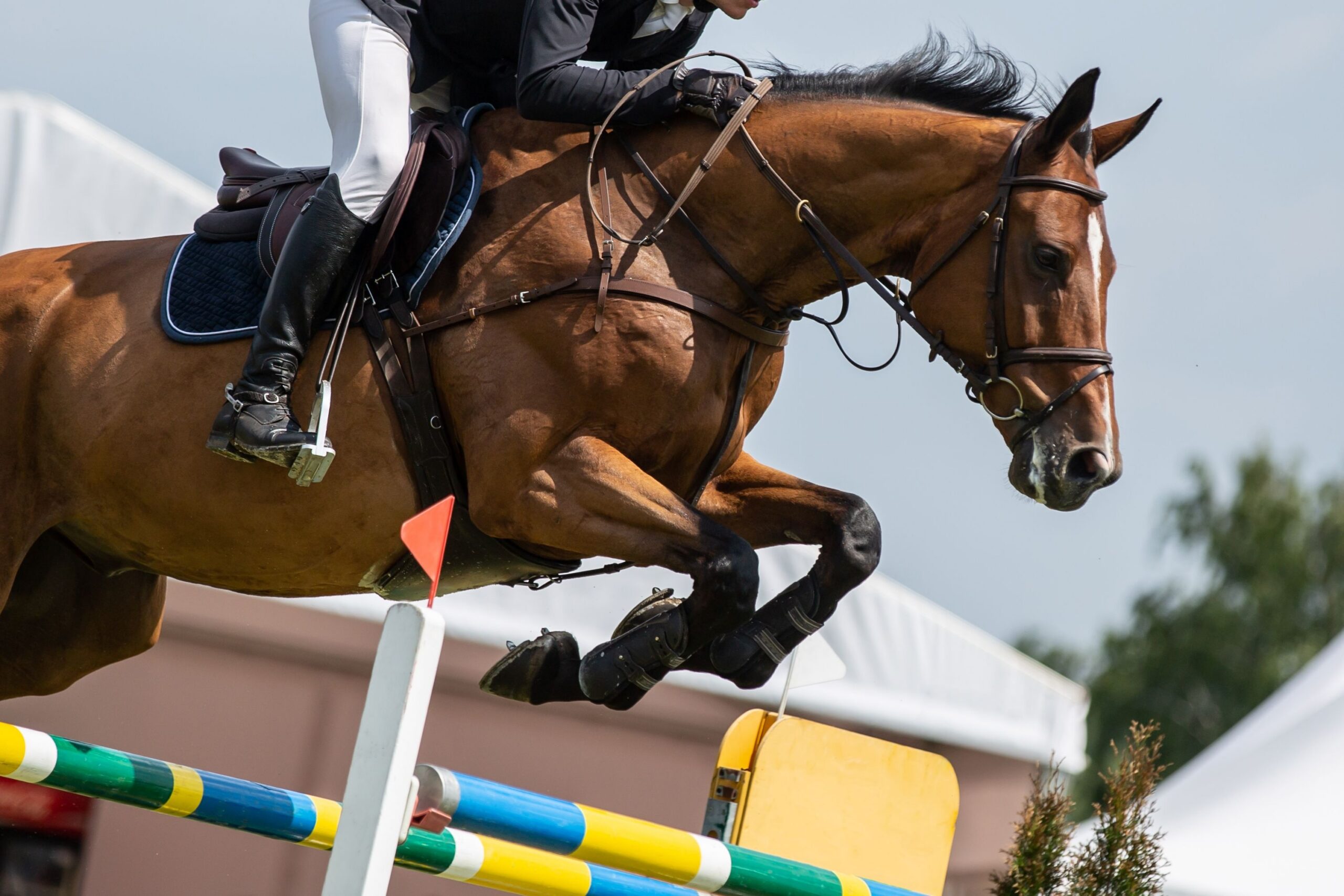
Carefully consider your horse’s individual needs when developing a nutrition plan to support his workload. Energy requirements reflect both workload and the horse’s body condition. Some horses maintain condition well on high-quality hay plus a ration balancer, while others benefit from a calorie-dense performance feed when training demands increase.
Horses with insulin dysregulation or other metabolic concerns often do better on a low-starch, controlled-carbohydrate feed that provides needed calories without excessive sugar and starch intake.
3. Use Fat for Sustainable Energy in Horses
Fat provides more than twice as many calories per pound of carbohydrates and can supply a steadier energy source. For horses needing extra calories without increased starch and sugar intake or meal size, equine nutritionists might recommend adding a fat source or selecting a high-fat performance feed.
4. Protein Quality Matters for Performance Horses
Performance horses need adequate digestible protein with the right amino acid balance to maintain and repair muscle. Crude protein percentage alone does not reflect protein quality; digestibility and amino acid balance do. Lysine, in particular, supports muscle maintenance. High-quality protein also supports topline development, especially in performance horses.
5. Replace What Sweat Takes Away
Sweating results in significant electrolyte losses, particularly sodium and chloride. Horses in light work might only need free-choice salt, but horses in intense work or hot climates often benefit from balanced electrolyte supplementation.
6. Protect the Horse’s GI Tract Under Pressure
Training, travel, and competition can stress a horse’s gastrointestinal system. Maximizing forage intake, limiting large grain meals, and selecting feeds formulated with controlled carbohydrate levels can help support gastric and hindgut health. Even in competition environments, feeding small, frequent meals and providing consistent access to forage can help support your horse’s gut health. Maintaining consistency in your horse’s diet even while on the road can help to reduce stress to his GI tract when away from the usual routine.
7. Weigh Your Horse’s Feed
Do not use a feed scoop as unit of measurement unless you know exactly what a scoop of your feed weighs. Different feeds vary widely in density, meaning volume-based feeding can unintentionally over- or under-supply nutrients. Weighing your horse’s hay and concentrates ensures he receives the nutrients and calories needed to support his workload.
8. Monitor His Body Condition and Topline
Performance horses should generally maintain a moderate body condition score (about a 5 on the Henneke scale). Subtle shifts in weight, muscle tone, or fat cover can indicate your horse’s diet might need adjustment.
Workload changes, seasonal shifts, and travel schedules all affect your horse’s calorie needs. Regularly reassess your horse’s feed program to be sure it’s aligned with his current condition and workload.
9. Make Feed Changes Gradually
Sudden dietary changes can disrupt the hindgut microbiome and increase colic risk. When transitioning your horse to a new concentrate feed or forage source, do so slowly over at least seven to 10 days, to allow the digestive system time to adapt.
10. Individualize Your Horse’s Nutrition Plan
Just because some horses in the barn perform the same job does not mean they benefit from identical diets. Metabolism, temperament, and underlying health factors all influence nutritional needs. Collaborate with your veterinarian or an equine nutritionist to refine your performance horse’s feed ration based on his individual needs.
Take-Home Message
Feeding the performance horse calls for balance and attention to his individual needs. Prioritize forage, match calories to workload and body condition, support his gut health, and reassess the diet regularly. When nutrition aligns with your horse’s training demands, you’re both supporting his performance and helping protect his athletic longevity.