

When looking to improve a horse’s topline, horse owners can focus on many aspects of care including conditioning, training techniques and tack fit. Nutrition—particularly topline supplements—can also be part of an improvement plan.
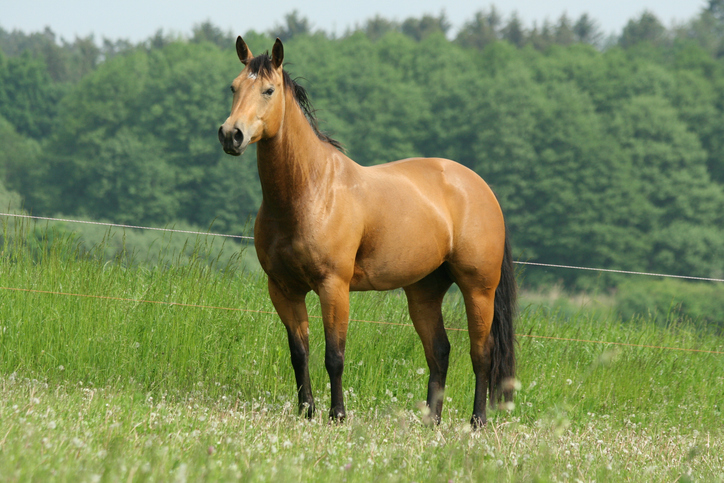
So what are topline supplements, and what role can they play in your program? A well-formulated supplement can be a useful tool in supporting equine muscular development. This is especially true when poor topline is related to nutritional gaps such as essential amino acid intake.
Before reaching for a supplement, however, it is best to understand the signs of topline loss and the various factors that can contribute to it. Then you’ll want to determine exactly why your horse is lacking that muscle definition—and whether support in the form of a nutritional supplement is the best option. And finally, you might ask: If appropriate, which supplement(s) should I consider? Read on to find out how Mad Barn can help.
Recognizing the signs
So, just what is this all-important topline? It’s the group of muscles that run along the upper part of the horse’s body, from the neck and withers across the back, loin, croup and hindquarters. These muscles help support posture, balance, core strength and engagement during movement.
Loss of topline muscle is gradual and often easiest to spot from above or during grooming and tacking up. Key visual indicators might include a visible dip or hollow along the back, particularly over the loin. A loss of fullness from withers to hindquarters and a flatter, less rounded appearance over the croup are other signs.
Perhaps your saddle is shifting or fitting differently due to changes in your horse’s back shape. Does he appear less “uphill” or less developed in overall outline, despite a stable body weight?
A call to your veterinarian is always smart if you are concerned about rapid or asymmetrical topline loss. Either of these may indicate an underlying medical issue.
Topline muscle loss vs. poor body condition
It’s also important to understand the difference between topline muscle loss and poor body condition, as the two can look similar.
In a true topline/muscle issue, there is muscle loss or limited development over the back, loin, croup and hindquarters. This can be closely tied to protein quality and amino acid availability, plus appropriate exercise.
By contrast, a horse exhibiting poor body condition might appear “flat” or weak through the topline AND “ribby.” This reflects a lack of overall fat cover or body mass rather than muscle deficit alone. Improving calorie intake and diet quality is usually the primary fix.
That said, it is not uncommon for some horses to have both conditions at once. Therefore, assessing the whole horse, not just the topline, is critical.
What causes poor topline?
The truth is that poor topline in horses is rarely caused by a single issue. In most cases, it develops gradually due to a combination of nutritional, management, workload and age-related factors. All of these influence how the horse maintains muscle over time.
Nutritional factors can include:
- Insufficient calorie (digestible energy) intake, which forces the body to prioritize essential functions over muscle maintenance;
- Poor protein quality or essential amino acid imbalance (even adequate crude protein can fail to support muscle protein synthesis if limiting amino acids are lacking);
- Forage quality and consistency, since variation in hay or pasture affects both energy intake and nutrient supply; and
- Vitamin and mineral deficiencies or imbalances that affect muscle metabolism (e.g., vitamin E, selenium, magnesium, zinc, copper
- Gut support: Does your horse’s diet helps ensure that nutrients are properly absorbed and utilized in the body? This is necesary for muscle metabolism, recovery and topline development.
Remember that forage is the foundation that provides most of your horse’s daily energy. It also contributes most of his protein supply. Therefore, low-quality, inconsistent or insufficient forage can limit topline development even when a supplement is added.
When it comes to calorie and protein requirements, a horse only needs enough digestible energy to maintain healthy body condition. That should include sufficient high-quality protein to supply amino acids used in muscle tissue. A consistent intake of vitamins and minerals is also necessary to support normal metabolic function.
NOTE: If broader dietary issues are present, it is wise to address these before considering supplementation for topline support. This will afford your horse the best chance of developing and maintaining a healthy topline. Supplements are only effective within a sound management program, so addressing the foundation first is essential.
Management and physical factors can include:
- Inconsistent or inadequate exercise that fails to properly engage the topline muscles;
- Age-related muscle loss and impaired muscle maintenance;
- Dental issues that limit forage breakdown and intake;
- Metabolic or endocrine conditions affecting body composition (EMS, PPID, insulin resistance);
- Pain or discomfort such as back soreness, poor saddle fit or lameness that reduces normal muscle engagement;
- Muscle atrophy from prolonged rest, injury or disease; and/or
- Chronic stress or inconsistent management routines.
Regular, appropriate exercise provides the stimulus for muscle development and helps maintain topline musculature over time. The exercise must properly engage the topline muscles to drive adaptation and maintenance.
But again, one should always evaluate topline loss in the context of the whole horse. It is best interpreted alongside overall feeding and exercise management rather than an isolated change.
Does my horse need a topline supplement?
So we’ve established that topline development plays a central role in your horse’s health and performance. When is it appropriate to look for extra nutritional support to help build and maintain topline muscle? And if it is deemed appropriate, which kinds of supplement(s) should you consider?
In some horses, we know poor topline could reflect limited amino acid availability for muscle protein synthesis. In others it could be related to overall diet balance, insufficient calorie intake, reduced body condition or a lack of appropriate exercise.
The best topline supplement is the one that matches the limiting factor(s) in your horse’s program. In other words, you’ll want to identify whether your horse needs targeted amino acid support, a stronger vitamin and mineral foundation, or additional calories to maintain body condition. Choosing a supplement based on your horse’s actual needs will give you the best chance of seeing meaningful results.
If all of this sounds daunting, a call to an equine nutritionist for a complete diet review might be in order. Mad Barn nutritionists have worked with thousands of horses to address nutritional deficiencies and imbalances that affect muscle development, topline condition, exercise performance and overall health. To help determine the best path to take, submit your horse’s information for a free diet evaluation with one of Mad Barn’s equine experts.
Mad Barn supplements for topline support
We can’t stress it enough: Topline supplements are most effective when used within a management program that supports muscle maintenance and development over time. This includes a balanced diet containing adequate calories and protein. Appropriate exercise and regular assessment of the horse’s condition are also vital.
Many horse supplements are marketed for topline support, but not all products work the same way or address the same nutritional needs. To choose the right supplement, it helps to understand which nutrients actually support muscle development and what may be limiting your horse’s progress.
Here’s a deeper dive into that territory, with a closer look at Mad Barn’s most suitable supplements for topline support:
Three Amigos: Targeting ‘limiting’ amino acids for topline support
For most horses requiring targeted topline support, the most appropriate Mad Barn supplement is Three Amigos, a source of pure, concentrated essential amino acids.
Muscle is comprised mostly of protein, but the horse must first break dietary protein down into amino acids before those nutrients can be used to help build and repair muscle tissue. Essential amino acids are especially important because they cannot be made by the horse in sufficient amounts and must come from the diet.

When one or more essential amino acids are in short supply, muscle protein synthesis can be limited even if the horse is consuming enough total protein. This is why protein quality matters—not just crude protein level.
Three Amigos addresses the amino acids most likely to limit muscle development. It provides lysine, methionine and threonine, the three key “limiting” amino acids in equine diets, in an optimal ratio to support topline condition.
A “limiting” amino acid is an essential amino acid that is in shortest supply relative to the horse’s needs. If levels of these amino acids are too low, the horse may not be able to use the rest of the dietary protein efficiently for muscle protein synthesis.
Many topline supplements provide broad amino acid blends, including amino acids the horse can make in the body or ones already present at sufficient levels in the diet. Three Amigos is more targeted because it focuses on those amino acids most likely to be limiting for muscle maintenance, recovery after exercise and efficient use of dietary protein.
Three Amigos is best for horses that already have a solid nutritional foundation but still lack muscle development, recovery or topline definition. However, it is not a complete diet balancer or calorie source. Rather, Mad Barn’s equine nutritionists designed it to complement a balanced feeding program and appropriate exercise.
Omneity®: Vitamins and minerals for topline development
For many horses, the first step in supporting topline development is making sure the overall diet is properly balanced. Even when calorie and protein intake appear adequate, gaps in key vitamins and minerals can limit muscle maintenance, recovery and efficient nutrient utilization.
Vitamins and minerals involved in muscle development and maintenance include:
- Vitamin E and selenium, which help protect muscle cells from oxidative stress and are required in higher amounts by exercising horses;
- Magnesium and potassium, which are electrolyte minerals that support normal muscle contraction (magnesium also supports muscle relaxation);
- B vitamins, which are involved in energy metabolism and help turn nutrients from the diet into usable energy within cells; and
- Trace minerals such as zinc, copper and manganese, which contribute to protein use, connective tissue integrity,and overall tissue repair.
Vitamin and mineral deficiencies are common in forage-only diets that are not balanced with a complete vitamin and mineral supplement. They can also occur when grain or complete feeds are fed below the recommended feeding rate, since these products only provide full vitamin and mineral fortification when fed as directed.

In these cases, the horse may receive enough calories and protein, but still lack the micronutrient support needed for muscle metabolism, exercise recovery and overall condition.
Mad Barn’s Omneity® is a complete vitamin and mineral balancer that helps lay the foundation for topline and muscle health. It supplies essential vitamins, minerals and amino acids to support normal metabolic function, muscle maintenance, recovery and overall well-being. It also includes digestive enzymes, yeast and a full spectrum of B-vitamins to support nutrient utilization, hindgut health and efficient nutrient use in forage-based diets.
For horses with gaps in their diet, feeding Omneity® is often the first step. It helps correct vitamin and mineral imbalances that can limit muscle metabolism, recovery and the horse’s response to exercise.
This does not replace the role of Three Amigos when essential amino acids are limiting. Instead, the two products work together to support topline programs: Omneity® helps build the nutritional foundation, while Three Amigos supplies concentrated lysine, methionine and threonine for muscle protein synthesis.
Available in a powdered premix or easy-to-feed pellet, Omneity® provides broad-spectrum nutritional coverage in a concentrated daily serving. This product consistently supplies key vitamins, minerals, amino acids and digestive support nutrients, even when the base diet varies in forage quality or feed intake.
AminoTrace+: Enhanced topline support for metabolic and performance horses
Mad Barn’s AminoTrace+ is an enhanced vitamin and mineral supplement for horses that need more nutritional support than a standard balancer provides. It offers higher nutrient levels, premium ingredients and added support for horses with heavier workloads, metabolic concerns or high-iron forage.
AminoTrace+ supports topline development by improving the overall nutrient profile of the diet. It helps supply the vitamins, minerals, amino acids and antioxidant nutrients needed to support muscle metabolism, efficient protein use, exercise recovery and healthy condition.

For performance horses, heavy exercise increases nutritional demands related to muscle maintenance, recovery, antioxidant defense and tissue repair. Horses in heavy work have greater needs for nutrients such as vitamin E, zinc, copper and key amino acids that support muscle health and performance. AminoTrace+ provides a more complete level of support for these horses than a basic vitamin and mineral balancer.
For horses with metabolic concerns such as EMS, PPID, insulin resistance or a history of laminitis, nutrition needs to support healthy metabolism without adding unnecessary sugar or starch. These horses may also benefit from targeted antioxidant support and higher levels of copper and zinc. This is especially true when iron intake is high.
In horses consuming high-iron forage, excess iron can interfere with copper and zinc absorption. This can contribute to secondary trace mineral imbalances. These imbalances may affect hoof quality, coat condition, immune function, antioxidant activity and overall nutrient use. Mad Barn’s equine nutritionists formulated AminoTrace+ with this in mind. That makes it a strong choice for horses whose forage requires more precise mineral balancing.
By providing enhanced vitamin, mineral, amino acid and antioxidant support, AminoTrace+ helps create the nutritional foundation needed for muscle function, topline development, healthy condition and long-term performance. For horses that need more than basic diet balancing, it offers a more comprehensive option for supporting topline in one product.
W-3 Oil for improved body condition and ‘cool calories’
Some horses struggle to maintain topline because they are not consuming or absorbing enough calories to support healthy body condition and muscle maintenance. This can happen in picky eaters, horses with low appetite or dental issues that impair chewing. It can also happen with low-quality forage, limited forage intake or gut issues that reduce nutrient absorption.
When energy intake is too low, the horse may look thin, thrifty or weak through the topline. This can be true even if amino acid intake is not the only issue.

In these situations, adding a highly digestible fat source can help increase calorie intake without more grain, starch or sugar. Fat provides “cool calories.” This means it supplies concentrated digestible energy without contributing to hot behavior or digestive upset, which can occur when high-starch or high-sugar feeds are increased too quickly.
Mad Barn’s W-3 Oil is a palatable fat supplement that helps increase calorie density in the diet. At the same time, it supports weight maintenance, coat quality and overall condition. As body condition improves, the topline may appear fuller, and the horse may be better able to handle the demands of their training program.
W-3 Oil provides a concentrated source of fat, including the omega-3 fatty acid DHA, to help increase energy intake. It also supplies natural vitamin E, which helps support muscle health in working horses.
This makes W-3 Oil especially useful for horses that struggle to maintain weight, lack bloom, need more energy for work or do not tolerate larger grain meals well. It supports a more gut-friendly feeding program by adding concentrated calories without increasing grain or starch-based feed in the diet.
W-3 Oil works best for horses that need additional caloric energy to support condition. For those with weak toplines, consider using it as one component of a complete program that includes a balanced diet, adequate essential amino acids and appropriate exercise.
Choosing the best Mad Barn topline supplement(s) for your horse
We’ve already discussed the individual factors contributing to poor topline and how targeted supplementation can help. And you’ve read the details about each of Mad Barn’s topline-friendly supplements. Now it’s time to choose the products most suitable for your individual situation.
Do any of these descriptions sound like your horse?
Three Amigos is appropriate when:
- Your horse is in good body condition but lacks topline definition;
- The diet provides adequate calories and total protein, but protein quality may be limiting;
- You want targeted support for muscle maintenance, recovery and topline condition; and/or
- Your horse is in consistent work but not developing muscle as expected.
Omneity® is appropriate when:
- Your horse is on a forage-based diet without a complete vitamin and mineral balancer;
- Your horse is fed a complete feed below the recommended feeding rate;
- You want to correct common nutrient gaps in the overall feeding program; and/or
- You need a foundation to support overall health, condition, and response to training.
AminoTrace+ is appropriate when:
- Your horse has metabolic concerns such as EMS, PPID or insulin dysregulation;
- Your forage is high in iron and requires more targeted mineral balance;
- Your horse has higher nutrient demands due to workload or performance level;
- You want enhanced amino acid, antioxidant and mineral support in one product; and/or
- A standard vitamin and mineral balancer is not sufficient to fully balance the diet.
W-3 Oil is appropriate when:
- Your horse appears thin, ribby or underconditioned;
- The primary issue is insufficient calorie intake rather than protein quality;
- You need to increase energy intake without adding starch or sugar to the diet; and/or
- You want to support overall body condition, coat quality and weight maintenance.
If you are unsure which factor is limiting your horse’s topline, review his full diet before choosing a supplement. For horses with persistent topline loss, unexplained weight loss, poor appetite or multiple nutritional concerns, working with your veterinarian and/or equine nutritionist is recommended. You might also consider completing a diet evaluation to help identify the most appropriate feeding strategy.
Mad Barn topline supplements at a glance
| Product | Best For | Primary Role | Why Choose It |
| Three Amigos | Targeted topline supplement when amino acid intake or protein quality is limiting | Limiting amino acids | Supplies lysine, methionine and threonine. Supports muscle protein synthesis and maintenance |
| Omneity® | Horses needing a complete vitamin and mineral foundation | Diet balance | Provides broad daily nutrition Includes vitamins, minerals and amino acids. Helps balance forage-based diets |
| AminoTrace+ | Horses with metabolic concerns, high-iron forage or higher nutrient demands | Enhanced nutritional supply | Provides targeted nutrient profile. Supports metabolic and mineral balance |
| W-3 Oil | Horses needing body condition, weight support or extra calories without starch | Calorie-dense fat and DHA support | Provides calorie-dense energy for weight support. Supplies omega-3 fatty acids. Supports overall condition and coat quality |
In many horses, more than one factor may be involved. In these cases, the most effective program is the one that addresses the primary limitation first. Once that foundation is in place, additional support can be layered to fully balance the diet, workload and overall condition.
To that end, many horses with poor toplines might benefit from a combination approach to nutritional support. For example, a horse may need Omneity® to balance the diet, Three Amigos to supply targeted essential amino acids and W-3 Oil if additional calories are needed to improve body condition.
If you are unsure whether your horse’s diet is meeting all of his needs, book a free consultation with one of Mad Barn’s expert equine nutritionists for an individualized assessment.
Final notes
In summary, you horse’s topline program should start with a balanced, forage-based diet. This should provide adequate calories, high-quality protein, vitamins and minerals. Consistent exercise is another important component of this equation.
Supplements like those formulated by Mad Barn should be used to support specific nutritional gaps rather than replace a proper management and conditioning program.
The most effective approach to supporting topline development is to address the primary limitation(s) first, then build a program that supports overall diet balance, workload and long-term condition.