

Digestive health influences nearly every aspect of equine well-being, from nutrient absorption and immune function to body condition, behavior and athletic performance. As a result, gut supplements have become increasingly common in modern horse management programs. However, the growing number of products marketed for digestive support has also created confusion among horse owners trying to determine which ingredients and formulations are truly beneficial.
Understanding how the equine digestive system functions is essential when evaluating gut supplements. Different products are designed to support different regions of the gastrointestinal tract, and no single ingredient addresses every digestive concern. Some supplements target the stomach, others focus on the hindgut microbiome, while certain formulations aim to support the digestive tract more broadly.
Horse owners should consider not only the ingredients in a supplement, but also the specific digestive challenges their horse may face based on diet, workload, management practices, stress exposure and forage availability.
Understanding the equine digestive system
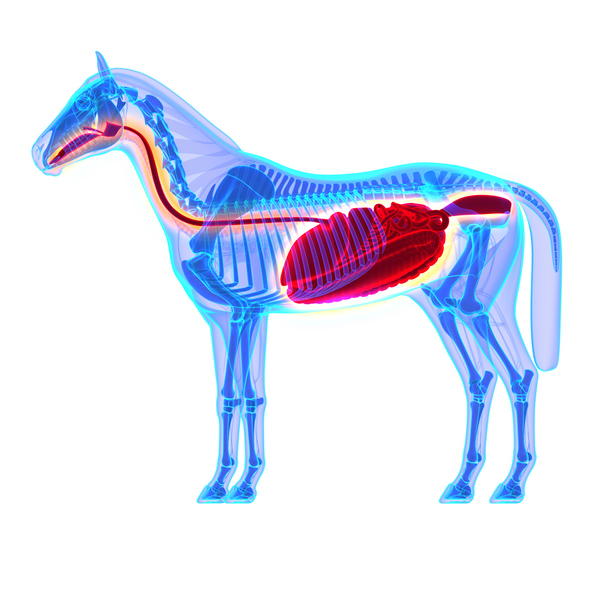
From a physiological standpoint, the horse is classified as a hindgut fermenter. This means the majority of fiber digestion occurs in the cecum and colon through microbial fermentation rather than within the stomach or small intestine.
The equine digestive tract is uniquely adapted for near-continuous forage intake. In natural grazing conditions, horses consume small amounts of fibrous plant material throughout most of the day. Modern management practices, however, often differ substantially from this natural feeding behavior.
The digestive tract can be divided into several distinct functional regions:
The stomach
The horse’s stomach is relatively small compared to body size, typically holding only 8 to 15 liters. Unlike humans, horses produce stomach acid continuously, regardless of whether feed is present.
The upper squamous region of the stomach lacks the same protective mechanisms found in the lower glandular region. This process becomes problematic when the stomach remains empty for extended periods, allowing acid to contact unprotected tissues and increasing the likelihood of gastric irritation or ulcer formation.
Research suggests that intermittent feeding schedules, high-concentrate diets, intense exercise and limited forage access all contribute to increased gastric ulcer risk.
The small intestine
The small intestine is responsible for digesting and absorbing:
- Sugars
- Starches
- Proteins
- Fats
- Vitamins and minerals
This region functions efficiently when starch intake remains moderate. However, when horses consume large grain meals, some starch may escape digestion in the small intestine and pass into the hindgut.
This process occurs when the digestive capacity of the small intestine is exceeded.
The hindgut
The cecum and large colon contain billions of microorganisms responsible for fermenting fiber into volatile fatty acids (VFAs), which serve as a major energy source for the horse.
These microbial populations are highly sensitive to:
- Dietary changes
- Stress
- Medications
- Forage quality
- Feeding consistency
When microbial balance is disrupted—a condition often referred to as dysbiosis—digestive efficiency may decline and signs of gastrointestinal disturbance can develop.
What causes digestive problems in horses?
Digestive disorders rarely result from a single isolated factor. Instead, they typically develop through the interaction of management, feeding, environmental and physiological influences.
Inconsistent forage intake
Understanding how forage supports digestive physiology helps explain why feeding consistency is so important.
Chewing forage stimulates saliva production, which contains bicarbonate that helps buffer stomach acid. In addition, fiber entering the hindgut provides substrate for microbial fermentation.
When forage intake is interrupted:
- Less saliva is produced
- Stomach buffering decreases
- Acid exposure increases
- Hindgut fermentation patterns may change
Research consistently identifies prolonged fasting periods as a major contributor to digestive imbalance.
High-starch feeding programs
Many performance horses receive grain or concentrate meals to meet caloric demands. However, excessive starch intake can disrupt normal hindgut fermentation.
This process occurs when undigested starch reaches the hindgut, where rapid fermentation increases acid production and lowers hindgut pH.
Consequences may include:
- Loose manure
- Gas production
- Reduced microbial diversity
- Colic risk
- Reduced digestive efficiency
Horse owners should consider both meal size and starch content when evaluating feeding programs.
Stress and travel
The gastrointestinal tract is closely connected to the nervous system through hormonal and neurological pathways.
Research suggests stress may influence:
- Gut motility
- Blood flow
- Appetite regulation
- Microbial populations
Travel, competition, social disruption and environmental changes can all influence digestive function. Horses frequently consume less forage and water during transport, which may further compound digestive stress.
Common signs of digestive imbalance
Digestive discomfort does not always present as acute illness. In many horses, signs develop gradually and may initially appear unrelated to the digestive tract.
Common signs include:
- Girth sensitivity
- Loose manure
- Changes in appetite
- Difficulty maintaining body condition
- Behavioral irritability
- Reduced performance
- Teeth grinding
- Mild recurrent colic signs
- Dull hair coat
- Changes in drinking behavior
Because these signs overlap with many other conditions, persistent symptoms warrant veterinary evaluation.
Understanding different types of gut supplements
Not all digestive supplements function in the same way. Understanding the intended purpose of each category can help horse owners select a more appropriate product.
Gastric support supplements
These products are formulated to help support the stomach’s protective environment.
Common ingredients include:
- Lecithin
- Pectin
- Antioxidants
- Botanical compounds
- Buffering agents
Research suggests certain phospholipids may help support the integrity of the gastric mucosal barrier.
Probiotics
Probiotics contain live microorganisms intended to support microbial balance within the hindgut.
Common equine probiotic strains include:
- Lactobacillus species
- Bifidobacterium species
- Enterococcus species
These organisms may help support microbial stability during stress, dietary transitions or antibiotic use.
Prebiotics
Prebiotics are non-digestible compounds that nourish beneficial microorganisms already present in the gut.
Examples include:
- Mannan-oligosaccharides (MOS)
- Beta-glucans
Unlike probiotics, prebiotics do not introduce live organisms directly.
Digestive enzymes
Digestive enzymes assist in breaking down nutrients such as:
- Proteins
- Fiber
- Carbohydrates
These ingredients are commonly included in hindgut support formulas designed to improve feed utilization.
Best overall gut supplement: Visceral+
For horses requiring broad digestive support, comprehensive formulations may provide advantages over products targeting only one region of the digestive tract.
Mad Barn’s Visceral+ is formulated to support both gastric and hindgut health simultaneously.
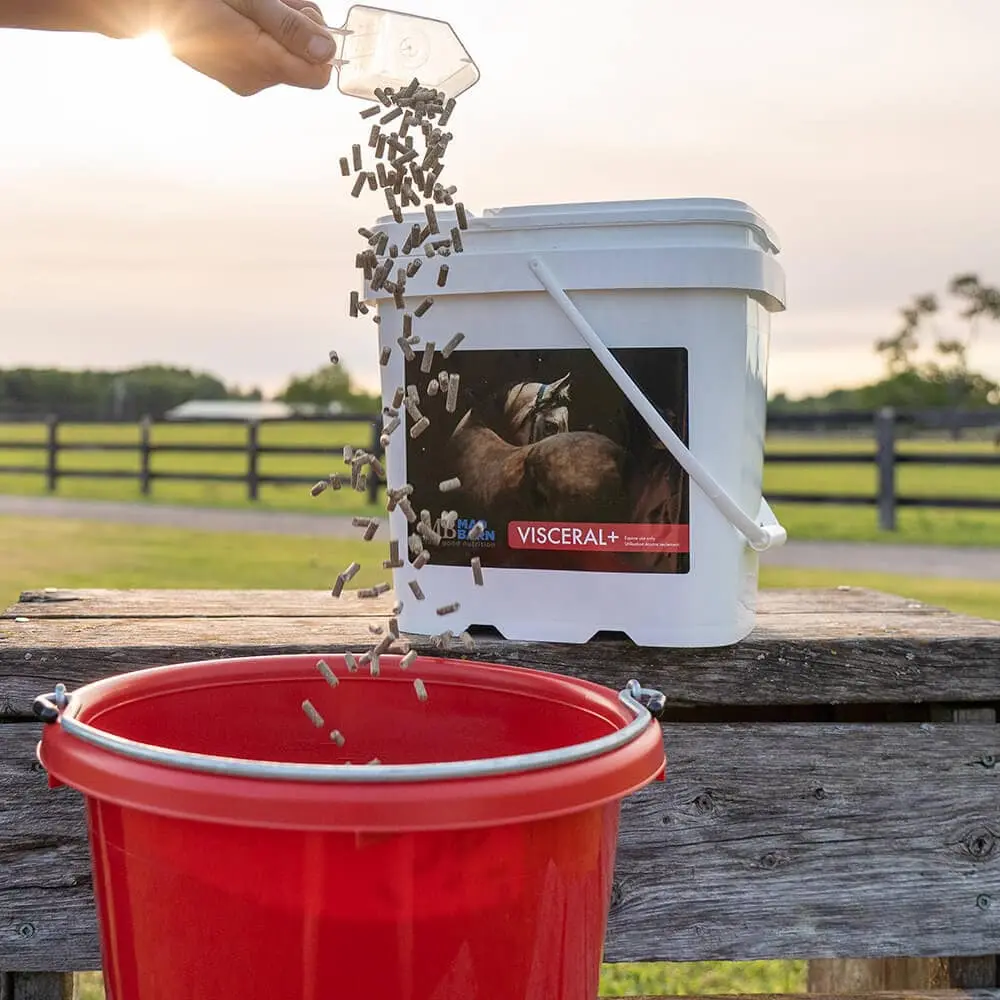
The product contains:
- Phospholipids
- Probiotics
- Yeast cultures
- Amino acids
- Botanical compounds
- Nutrients that support gut barrier function
From a physiological standpoint, this whole-gut approach recognizes that digestive stressors often influence multiple regions of the gastrointestinal tract simultaneously.
In the stomach, ingredients such as lecithin help support the mucosal barrier that protects sensitive tissues from acid exposure.
In the hindgut, probiotics and prebiotics support microbial balance and normal fermentation patterns.
This type of comprehensive support is particularly useful for horses exposed to:
- Travel
- Competition
- Stall confinement
- Feeding inconsistency
- Training stress
Best hindgut supplement: Optimum Digestive Health
Some horses require more targeted support for hindgut fermentation and microbial balance.
Optimum Digestive Health is formulated specifically to support hindgut function through a combination of:
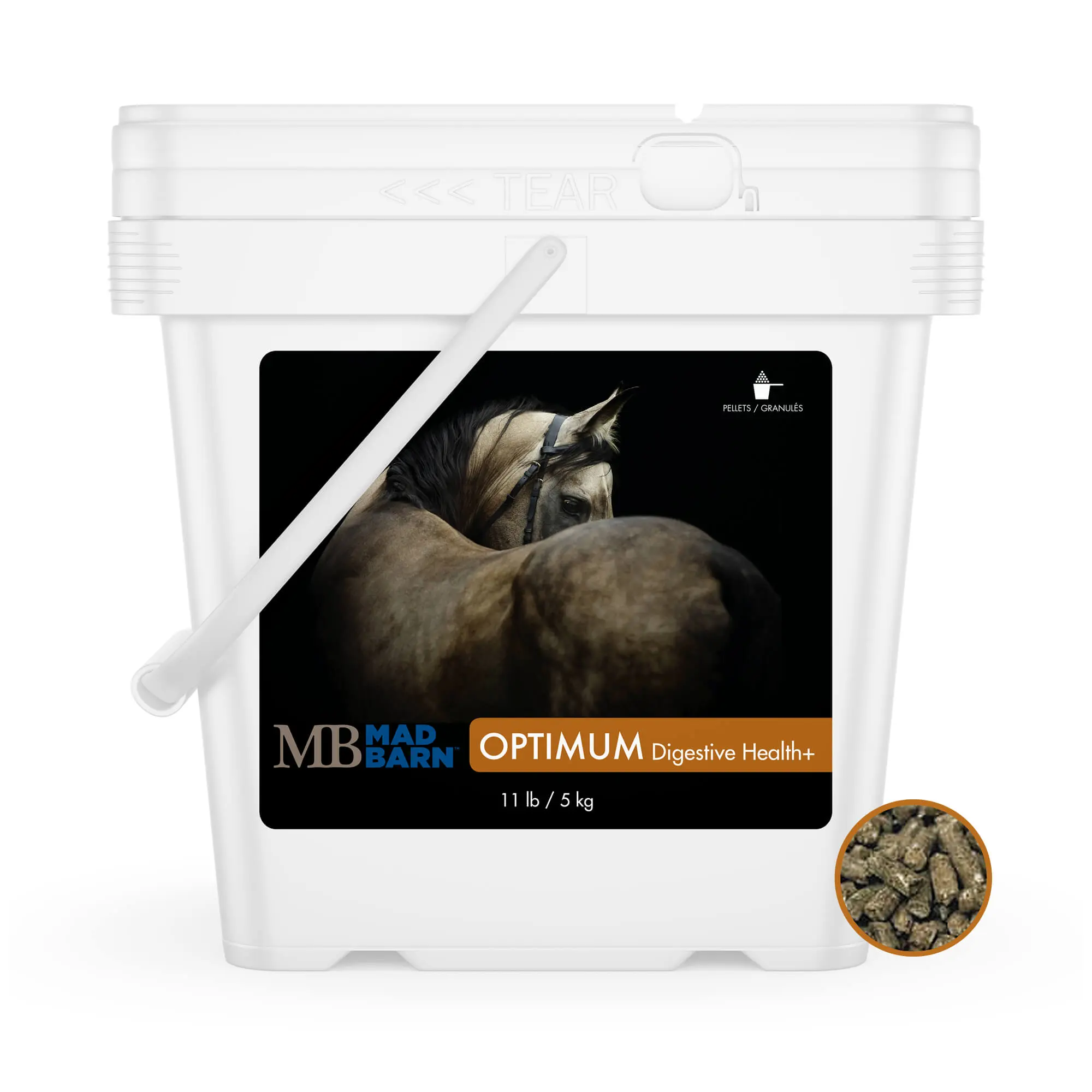
- Probiotics
- Prebiotics
- Yeast cultures
- Digestive enzymes
- Immune-support ingredients
Understanding how hindgut fermentation works helps explain why microbial stability is so important. Fiber-digesting microbes produce volatile fatty acids that contribute substantially to the horse’s energy supply.
When microbial populations become unstable, horses may experience:
- Loose manure
- Poor feed efficiency
- Gas production
- Weight loss
- Fecal water syndrome
This type of targeted support may benefit:
- Senior horses
- Hard keepers
- Horses undergoing feed changes
- Horses prone to digestive sensitivity
Best daily probiotic: Optimum Probiotic
For horses requiring straightforward microbial maintenance, standalone probiotics may provide sufficient support.
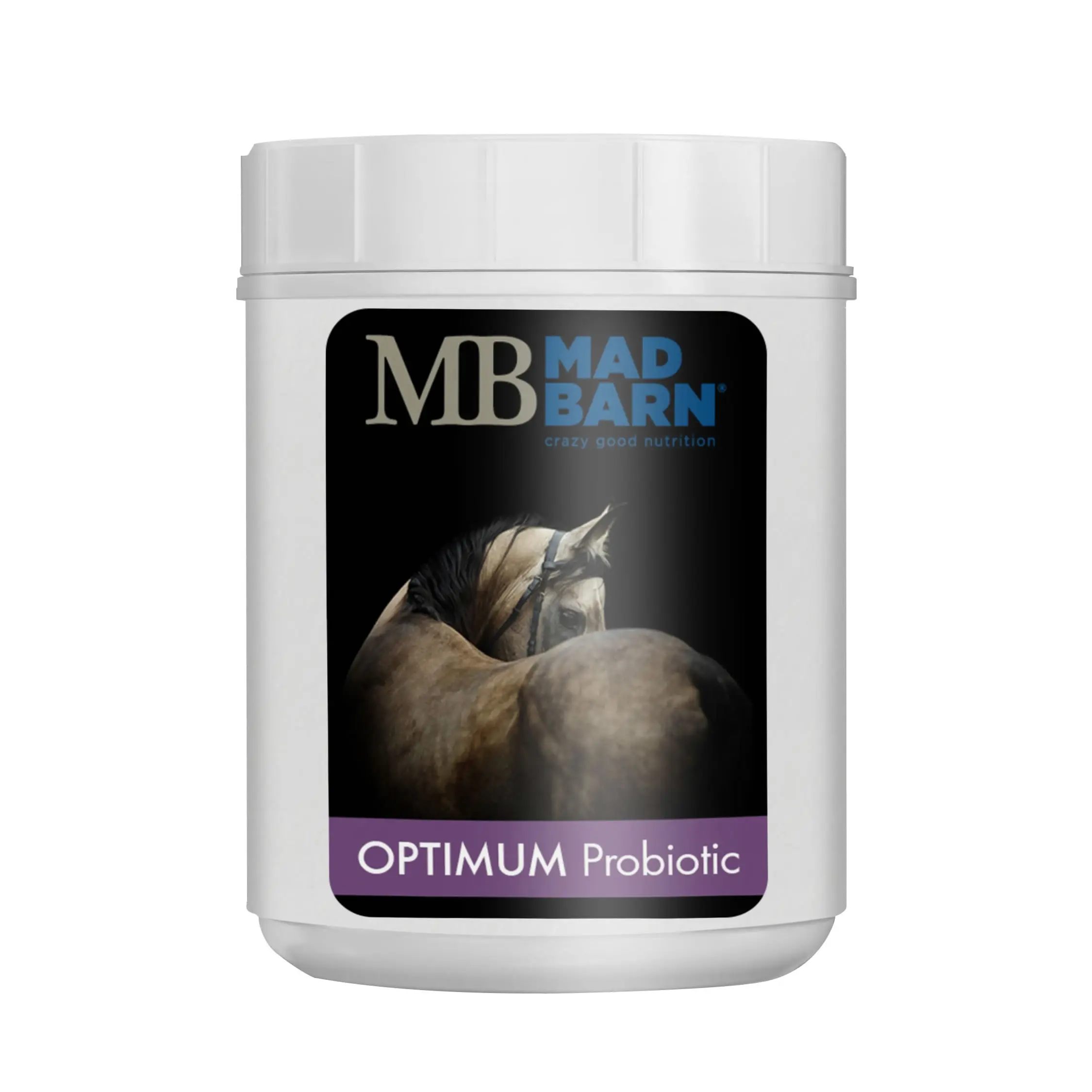
Optimum Probiotic contains a concentrated five-strain probiotic blend delivering 20 billion CFUs per serving.
This type of product is typically used to support:
- Daily microbial balance
- Minor dietary transitions
- Travel-related digestive stress
- Recovery following antibiotic use
Unlike comprehensive digestive formulas, probiotics alone primarily target microbial populations rather than gastric integrity or digestive enzyme support.
Psyllium and soluble fiber support
Psyllium husk serves a more specialized role within digestive management.
Derived from Plantago ovata, psyllium contains soluble fiber that forms a gel-like substance when mixed with water.
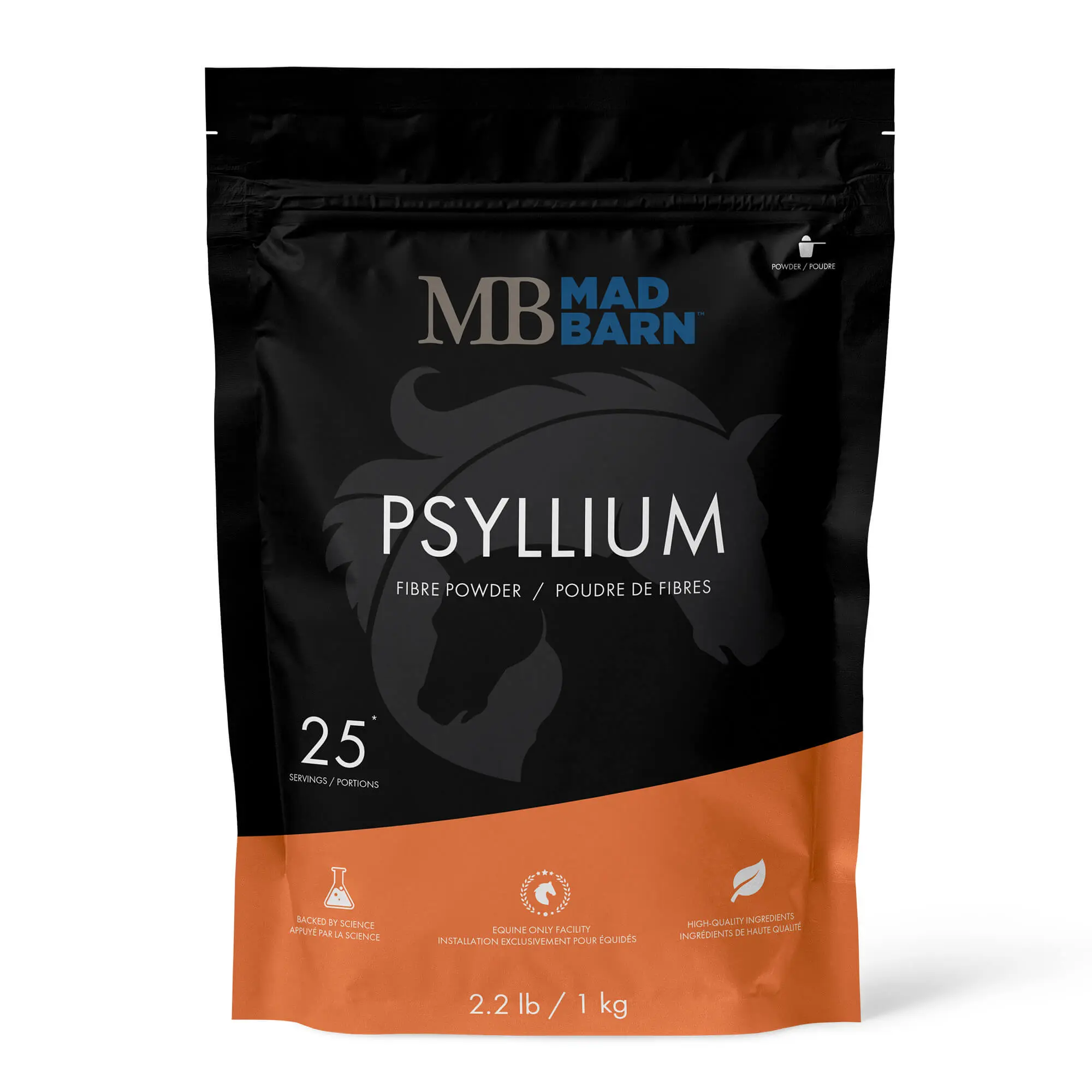
This process occurs when psyllium absorbs fluid within the digestive tract, helping support:
- Intestinal motility
- Manure consistency
- Passage of material through the gut
Psyllium is most commonly used in sandy environments where accidental sand ingestion may occur.
Unlike comprehensive digestive supplements, psyllium does not provide probiotic or gastric support.
Choosing the right gut supplement
Consider several factors when selecting digestive support products for your horse:
- Feeding program
- Forage consistency
- Workload
- Travel frequency
- Existing digestive signs
- Management routine
Comprehensive support such as Visceral+ may be most appropriate when:
- Multiple digestive stressors are present
- Gastric and hindgut support are both needed
- Horses compete or travel frequently
Targeted hindgut support such as Optimum Digestive Health may be preferable when:
- Loose manure is the primary concern
- Fiber utilization is poor
- Hindgut microbial balance requires support
Daily probiotic support such as Optimum Probiotic may be appropriate when:
- Basic microbial maintenance is desired
- Horses are otherwise healthy
- Mild dietary or management stress is present
Final thoughts
Digestive health remains one of the foundational components of equine management. Understanding how the gastrointestinal system functions allows horse owners to make more informed decisions about feeding practices and supplementation strategies.
While supplements can provide valuable support, they are most effective when paired with:
- Consistent forage access
- Proper hydration
- Balanced nutrition
- Appropriate turnout and exercise
- Stable feeding routines
For horses requiring broad digestive support, Visceral+ provides whole-gut coverage designed to support both gastric integrity and hindgut microbial balance.
For more targeted hindgut needs, Optimum Digestive Health offers specialized microbial and fermentation support, while Optimum Probiotic provides routine daily probiotic maintenance.
Ultimately, the most effective gut supplement is one that aligns with the horse’s physiological needs while complementing a well-managed feeding and care program.
Landing page image by Getty Images