

Hoof health is often evaluated through what can be seen—cracks, growth rate or overall hoof appearance. However, these outward signs are the result of complex biological processes that begin at the cellular level. Understanding how nutrition influences these processes is essential for improving hoof quality in a meaningful and lasting way.
How the hoof is formed
The hoof wall is composed primarily of keratinized cells produced at the coronary band. These cells are generated through a process involving rapid cell division, protein synthesis and structural organization. Once formed, the hoof wall grows downward over time, eventually becoming the visible hoof capsule.
Because this process is continuous, hoof quality reflects the nutrients available during the formation of these cells—not simply what the horse has consumed recently. This is why dietary consistency is critical.
The role of protein and amino acids
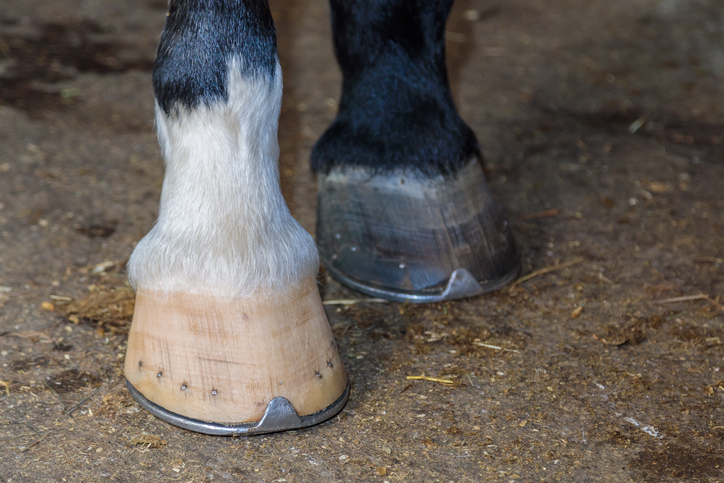
Keratin, the primary structural component of the hoof, is a protein. Its formation depends on the availability of amino acids, particularly lysine, methionine and threonine.
Methionine is of particular interest because it contributes sulfur, which is required to form disulfide bonds. These bonds give keratin its strength and durability. Without adequate sulfur-containing amino acids, the resulting hoof horn may lack resilience and structural integrity.
Trace minerals and structural integrity
Trace minerals play a central role in hoof development. Zinc is involved in keratinocyte proliferation and differentiation, while copper supports enzymes responsible for cross-linking structural proteins.
When these minerals are deficient or imbalanced, the hoof may exhibit reduced strength, slower growth and increased susceptibility to environmental stress.
An important consideration is the interaction between minerals. Excess iron, commonly found in forage and water, can interfere with copper and zinc absorption. This can create functional deficiencies even when intake levels appear sufficient.
Biotin and keratin formation
Biotin is a water-soluble B-vitamin that functions as a cofactor for enzymes involved in metabolism and keratin synthesis. Supplementation has been associated with improved hoof horn quality, particularly when provided consistently over several months.
However, biotin does not act independently. Its effectiveness depends on the presence of adequate amino acids and trace minerals. Without these supporting nutrients, the impact of biotin may be limited.
Additional nutritional factors
Other vitamins and nutrients contribute to hoof health as well. Vitamin A supports normal cell differentiation, while vitamin E acts as an antioxidant, protecting cells from oxidative damage.
Antioxidants are particularly important in maintaining tissue integrity, especially in horses exposed to environmental or metabolic stress.
Why nutritional imbalances occur
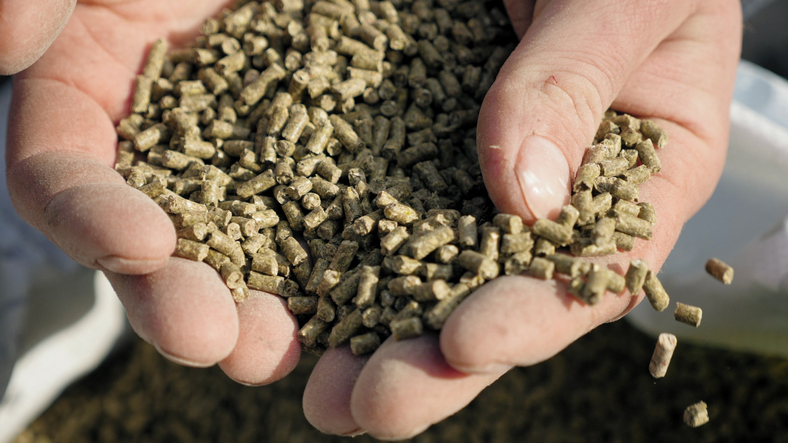
Despite careful feeding practices, many horses experience suboptimal nutrient intake. Forage variability is a major factor, as nutrient content can vary widely depending on soil conditions, plant maturity and storage.
Additionally, horses consuming less than the recommended amount of fortified feed may not receive adequate levels of vitamins and minerals.
These factors can lead to deficiencies that affect hoof quality over time.
A comprehensive approach to nutrition
Because nutrients interact with one another, hoof health requires a comprehensive approach. Focusing on a single nutrient may not resolve underlying imbalances.
Complete vitamin and mineral supplements, such as Omneity®, are designed to provide balanced levels of trace minerals, amino acids and vitamins. By correcting multiple gaps simultaneously, these products support the processes involved in hoof formation.
Nutritional strategies for complex cases
Some horses require more advanced nutritional support. Horses with metabolic conditions, such as insulin resistance or a history of laminitis, may have altered nutrient utilization and increased oxidative stress.
In these cases, formulations like AminoTrace+ provide higher levels of key nutrients along with metabolic support. These products are designed to improve nutrient availability without adding excess sugar or starch.
Growth rate and timeframe
The hoof wall grows at an average rate of approximately 5 to 10 millimeters per month. As a result, changes in hoof quality occur gradually.
It may take several months to observe improvements and up to a year for a complete hoof wall to grow out. This highlights the importance of long-term dietary management.
Integrating nutrition with management
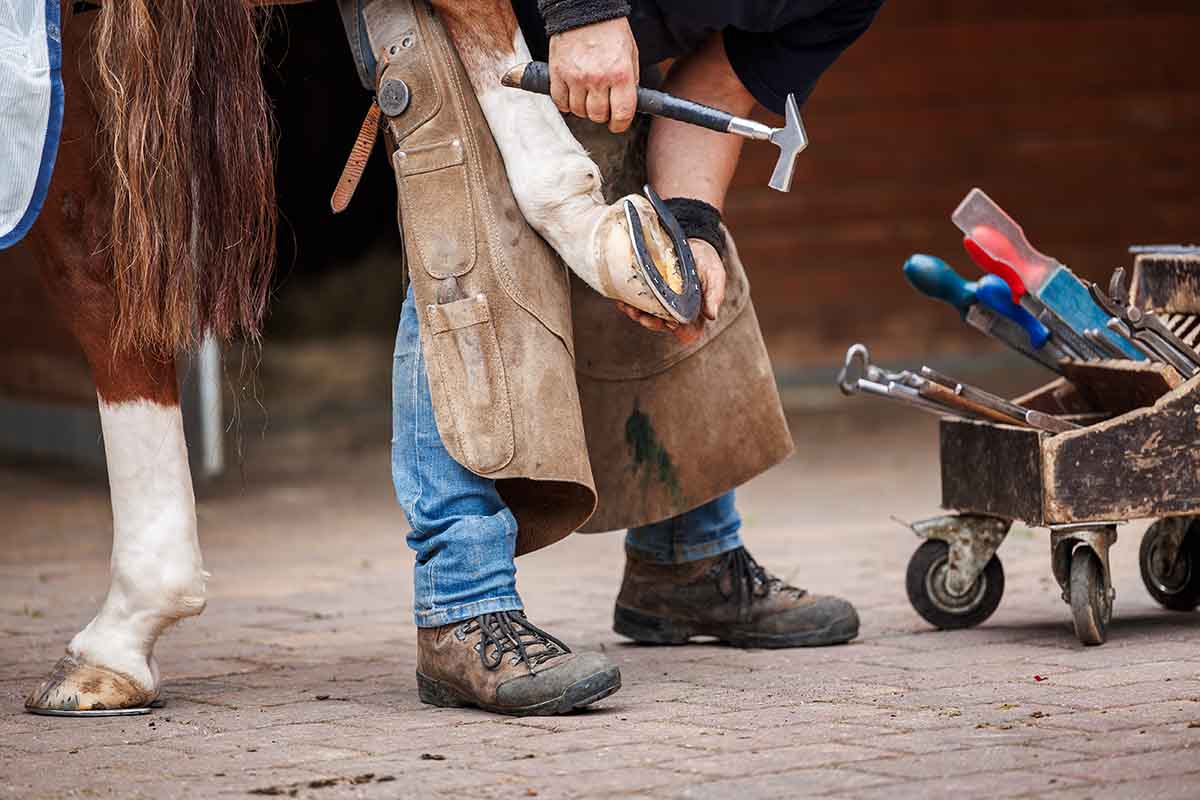
While nutrition is fundamental, it should be considered alongside other aspects of hoof care. Regular trimming, appropriate footing and environmental management all contribute to overall hoof health.
However, these factors cannot compensate for nutritional deficiencies. Optimal results are achieved when diet and management practices are aligned.
Conclusion
Hoof health is the product of complex interactions between nutrition, physiology and management. By understanding the role of key nutrients and addressing imbalances in the diet, horse owners can support the formation of stronger, more resilient hoof tissue.
A consistent, well-balanced feeding program remains the most effective strategy for improving hoof quality over time.
Landing page image by Getty Images