

The U.S. Department of Agriculture’s Animal and Plant Health Inspection Service (APHIS) announced on March 21, 2025, that it is further postponing the effective date of the Horse Protection Act (HPA) final rule to February 1, 2026. APHIS is also taking public comment on the delay.
History of postponements
On January 24, 2025, APHIS announced it was postponing the effective date of the HPA final rule for 60 days from February 1, 2025, to April 2, 2025, with the exception of the section authorizing the training of horse inspectors, which previously went into effect on June 7, 2024.
APHIS will further postpone the effective date for the rule, other than the training section, to February 1, 2026.
Additionally, APHIS is requesting public comments on whether the agency should further extend the length of this postponement. It is also soliciting additional information to help inform a decision on the appropriate length of the postponement.
Comment period
The docket is currently on public inspection. It will be available for comment at the following link beginning on March 21: https://www.regulations.gov/docket/APHIS-2022-0004. The comment period will close on May 20, 2025.
On March 14, 2025, APHIS shared an information update to stakeholders for the upcoming horse show season in light of a recent court decision impacting the new HPA final rule.
The subject of soring
The HPA is a Federal law that prohibits sored horses from participating in shows, exhibitions, sales or auctions. The HPA also prohibits the transportation of sored horses to or from any of these events.
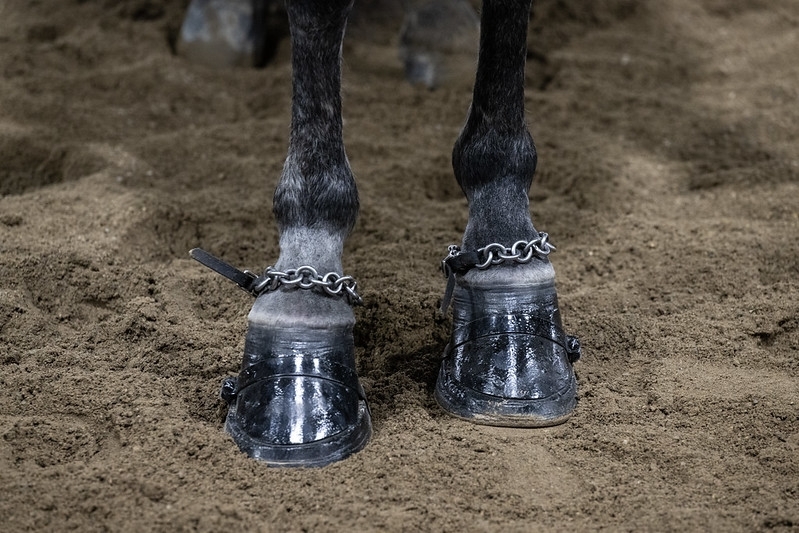
Soring is a cruel and inhumane practice used to accentuate a horse’s gait. Soring can be accomplished through the use of certain substances, devices and/or practices that when applied to a horse’s limb can cause physical pain, distress, inflammation or lameness when walking, trotting or otherwise moving. A horse that has been sored will pick up its feet higher and faster, creating a highly animated gait that is desired in specific breed classes, such as those of Tennessee Walking Horses and racking horses.