

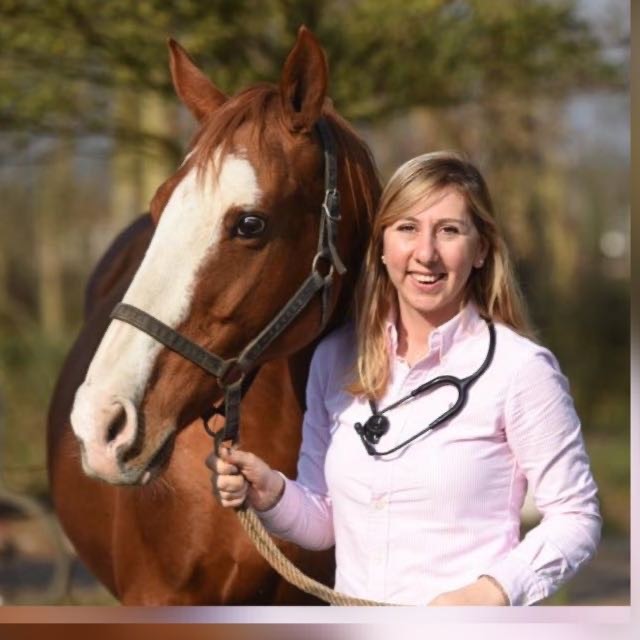
Renowned veterinarian and equine nutritionist Gulsah Kaya Karasu, Dr. Vet. Med., and Peter Huntington, B.V.Sc., M.A.C.V.Sc., director of Kentucky Equine Research in Australia, have announced the release of their innovative book “Feeding Horses: An Evidence-Based Approach to Equine Nutrition,” published by Taylor & Francis, UK.
With more than 20 years of experience, Kaya Karasu has dedicated her career to advancing equine health through science-backed nutritional practices. As the founder of AGG Equine Nutrition Consulting and a faculty member at Van Hall Larenstein University of Applied Sciences in the Netherlands, she continues to mentor future equine specialists while contributing innovative solutions to the field.
Practical guidance on equine nutrition
The book bridges the gap between theory and practice, offering practical, scientifically validated guidance on equine nutrition. Organized into four comprehensive sections, it covers the horse’s digestive system, feed types, ration formulation and nutrition-related health disorders. Each chapter features real-world applications, including expert insights on preventing common issues like gastric ulcers through tailored feeding strategies.
Accessible yet authoritative, “Feeding Horses” is written for equine nutritionists, veterinarians, horse owners, trainers and horse lovers, making it an indispensable tool for improving equine health and performance.
For more details or to purchase the book, visit: https://www.routledge.com/.
Editor’s note: Kaya Karasu’s work has been featured in the pages of EQUUS, including such articles as How will we feed horses in the future? and Is your horse getting enough hay?, among others.