

If you’ve been involved with horses for even just a few years, chances are you’ve encountered at least one with pituitary pars intermedia dysfunction (PPID). Also known as Cushing’s disease, this endocrine disorder is common in older horses. In fact, studies estimate that 20 percent of horses over the age of 15 will develop PPID. Add in the fact that horses are living longer than ever before and it’s not surprising that most of us have some familiarity with the disorder.
The prevalence of PPID has made it a focus of research efforts. Almost 150 scientific papers on the topic have been published in the past decade alone, a body of work that has yielded significant advances in PPID diagnosis and management. While some equine diseases remain stubborn mysteries, more is understood about PPID with each passing year. Researchers and veterinarians have been eager to disseminate this knowledge through one-on-one conversations, internet groups and publications. All of which makes it easier than ever before to learn the basics of PPID and implement a strategy to keep an affected horse healthy for years.
Yet even the most informed owner may have some lingering questions about PPID. For answers to some of these, we’ve turned to Nicholas Frank, DVM, PhD, DACVIM, of Tufts University, one of the world’s leading experts on PPID, and Janice E. Kritchevsky, VMD, MS, a professor at Purdue who has been studying PPID in horses for many years. Both veterinarians are members of the Equine Endocrinology Group that reviews all research and collaborates to produce information about PPID for veterinarians.
Will all old horses eventually get PPID?
“It is not a given that all old horses get PPID,” says Frank. “We do know that the older they get, the more likely it is for PPID to develop. But there are some old horses that never go on to develop PPID.”
Why it develops in certain horses and not others is a more difficult question to answer, Frank continues. “The way it develops is through oxidative damage to neurons in the brain that go down to the pituitary gland. This seems to happen at a faster rate in some horses and is similar to Parkinson’s disease in people. There may be some genetic factors.”
Kritchevsky agrees there is a possibility of a genetic component, but the association between breed and PPID may be complex. “Some horses and some breeds seem a little more prone to PPID,” she says. “There are some family lines that seem to get PPID at a young age, so there is no doubt there is a genetic component—which is true for most problems,” she says.
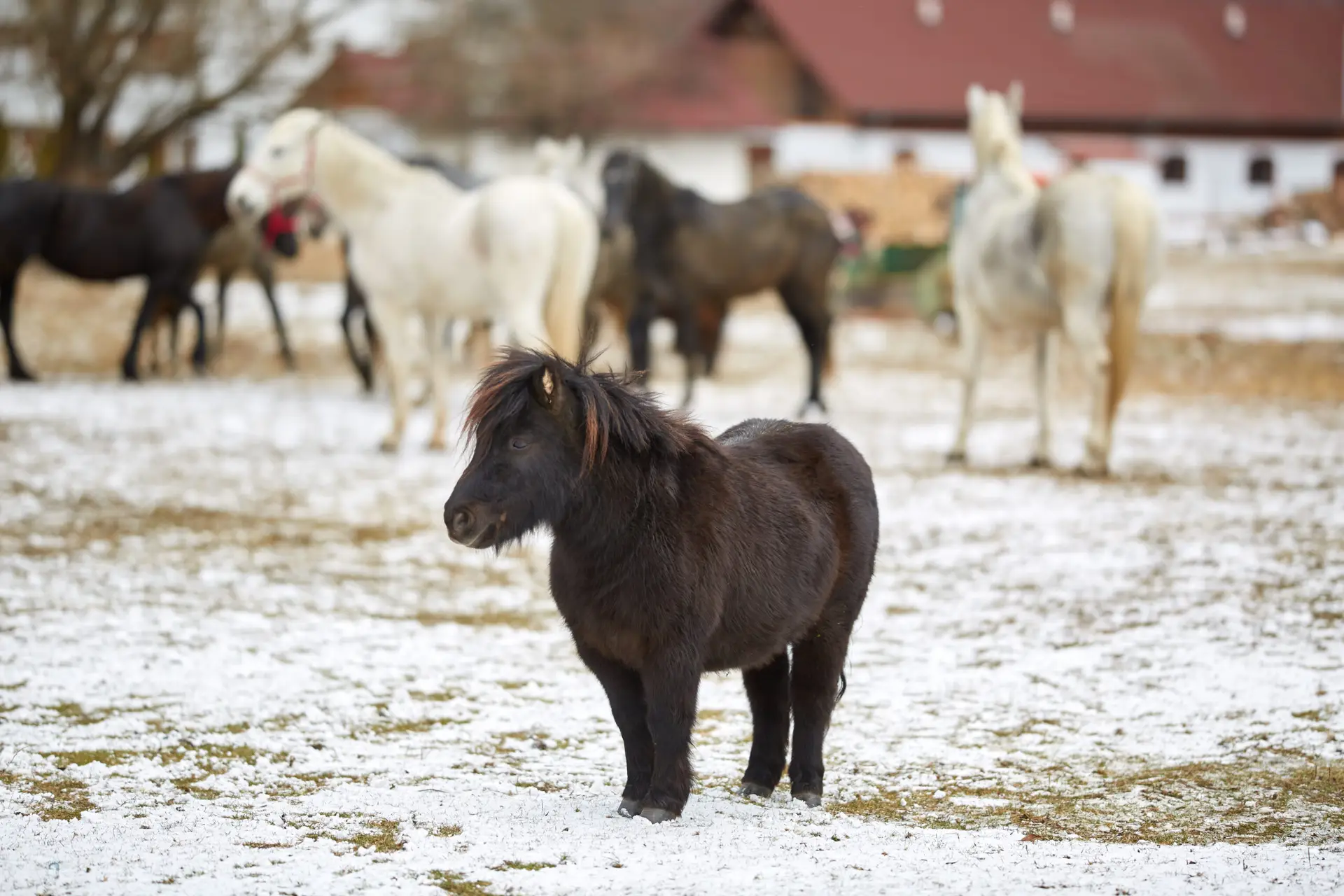
“It’s also more common in Morgans and ponies. But this may be partly because they tend to be the breeds that live the longest,” says Kritchevsky. “I don’t think I’ve ever seen a 30-year-old Belgian [with PPID], for instance. But this makes PPID more challenging to sort out.”
Can you manage a horse to reduce his risk of developing PPID?
Possibly, says Kritchevsky. “What starts it all is oxidative injury to the brain. Nerve cells from the hypothalamus send signals to the pars intermedia. Oxidative injury kills those nerve cells off. When that happens the cells in the pars intermedia are no longer inhibited and they begin secreting too much hormone. If we can minimize oxidative injury, this would help.”
Frank agrees that oxidative injury may be a key consideration in prevention. “Regarding why it develops in some animals—in addition to the genetics—since it is oxidative damage, we sometimes wonder if these animals have not received as many antioxidants through their life,” says Frank.
Vitamin E
“Providing adequate vitamin E in the diet is a recommendation for all horses. And it may be particularly important if we want to try to decrease risk of PPID,” he says. “We recommend that all horses receive this vitamin in a multivitamin supplement. In older horses we recommend providing additional vitamin E as a specific supplement. We always suggest vita- min E if we are trying to lower the risk of PPID. There are no studies saying it prevents PPID from occurring. But it may help, and certainly does no harm,” he says.
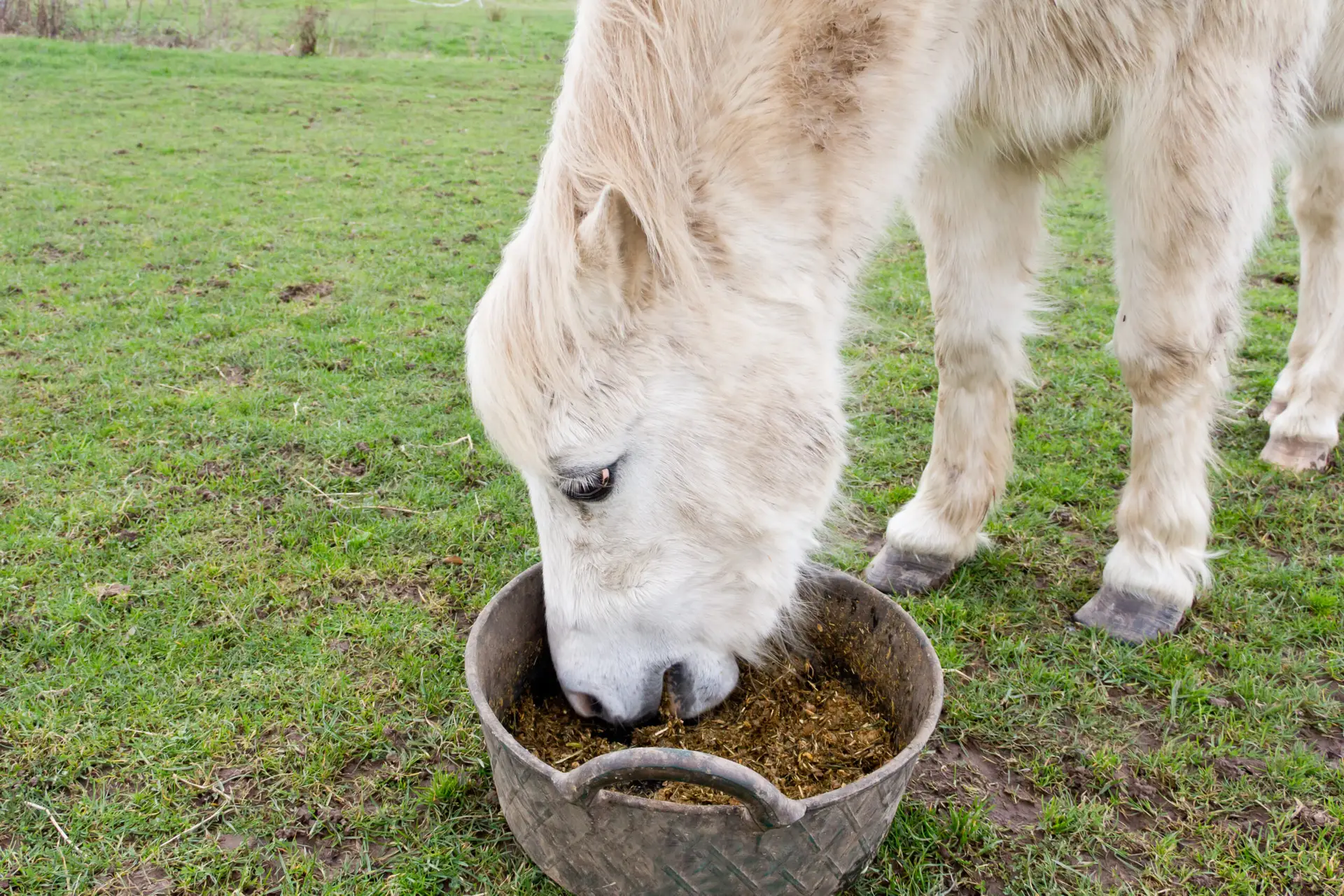
Horses naturally get vitamin E from grass and green forage. If they are on pasture for much of the year, this would supply all they need. “If they can’t be on pasture for various reasons, such as equine metabolic syndrome and an associated predisposition to grass founder, a vitamin E supplementation is recommended. Those are factors we can do something about. But even keeping a horse on a vitamin E supplement his whole life does not stop PPID from happening. There are still the genetic influences that lead to some horses developing it,” he explains.
Good care, good feed and preventive care are best management practices, agrees Kritchevsky. But even with those in place a horse who lives long enough may still develop PPID: “In a way, PPID is a good problem to have because it means that your horse has lived to an old age,” she says.
Why are the signs of PPID so varied?
“One of the reasons we see different signs with PPID is that when small pituitary tumors develop, they are sending out multiple hormones,” says Frank.
ACTH
One of these hormones is adrenocorticotropic hormone (ACTH), which plays an important role by stimulating the production of cortisol in the adrenal glands. Cortisol is a hormone that is important for regulating glucose, protein and lipid metabolism. It also suppresses immune system responses and helps maintain blood pressure. “When you consider cortisol and its effects throughout the body, this provides some of the explanation as to why we see so many different systems affected in PPID,” says Frank. It’s not just ACTH and cortisol at work, however. “We can measure the ACTH, but these tumors are secreting other hormones as well,” Frank continues. “Multiple hormones can affect different body systems.”
alpha-MSH
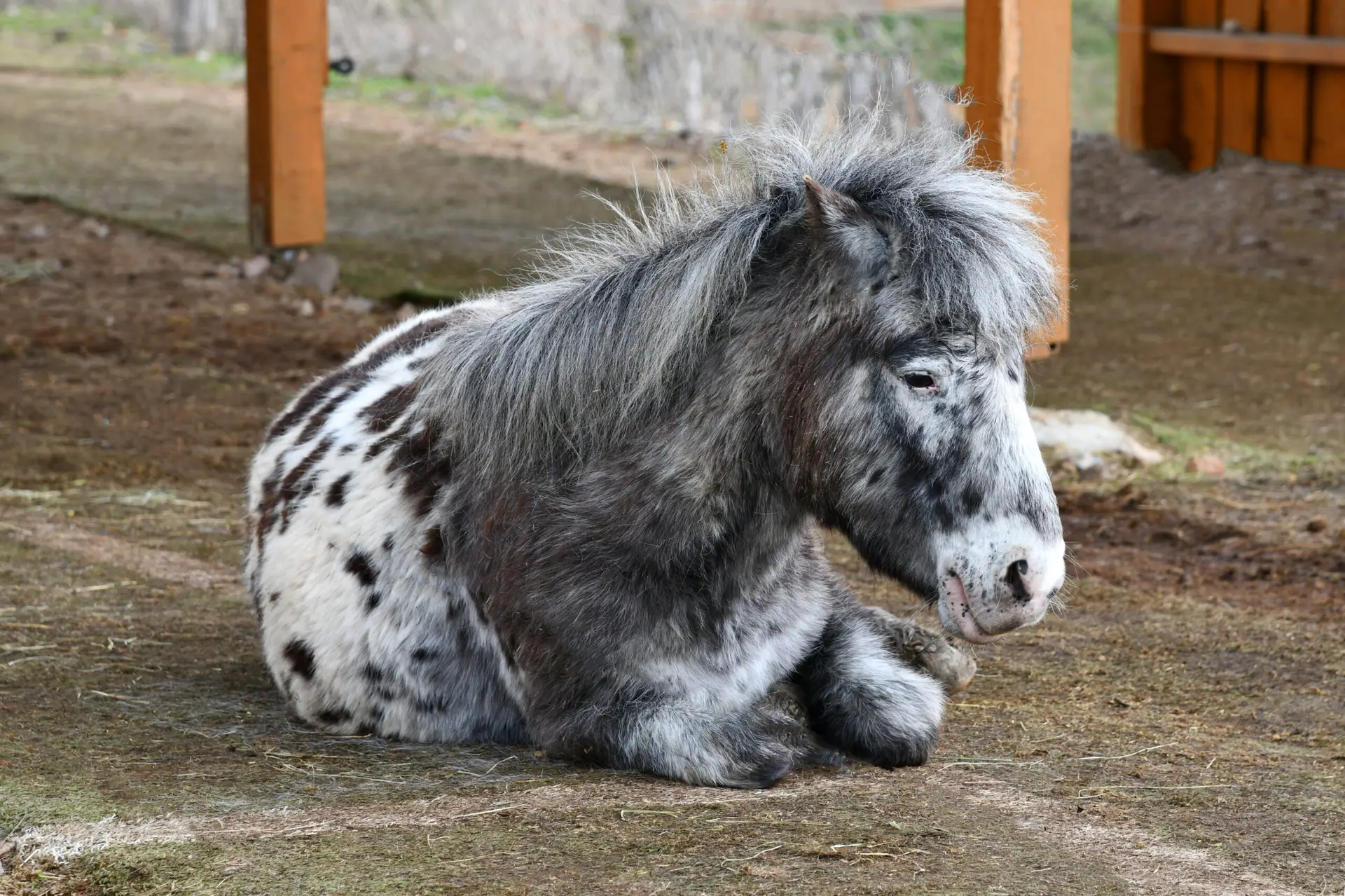
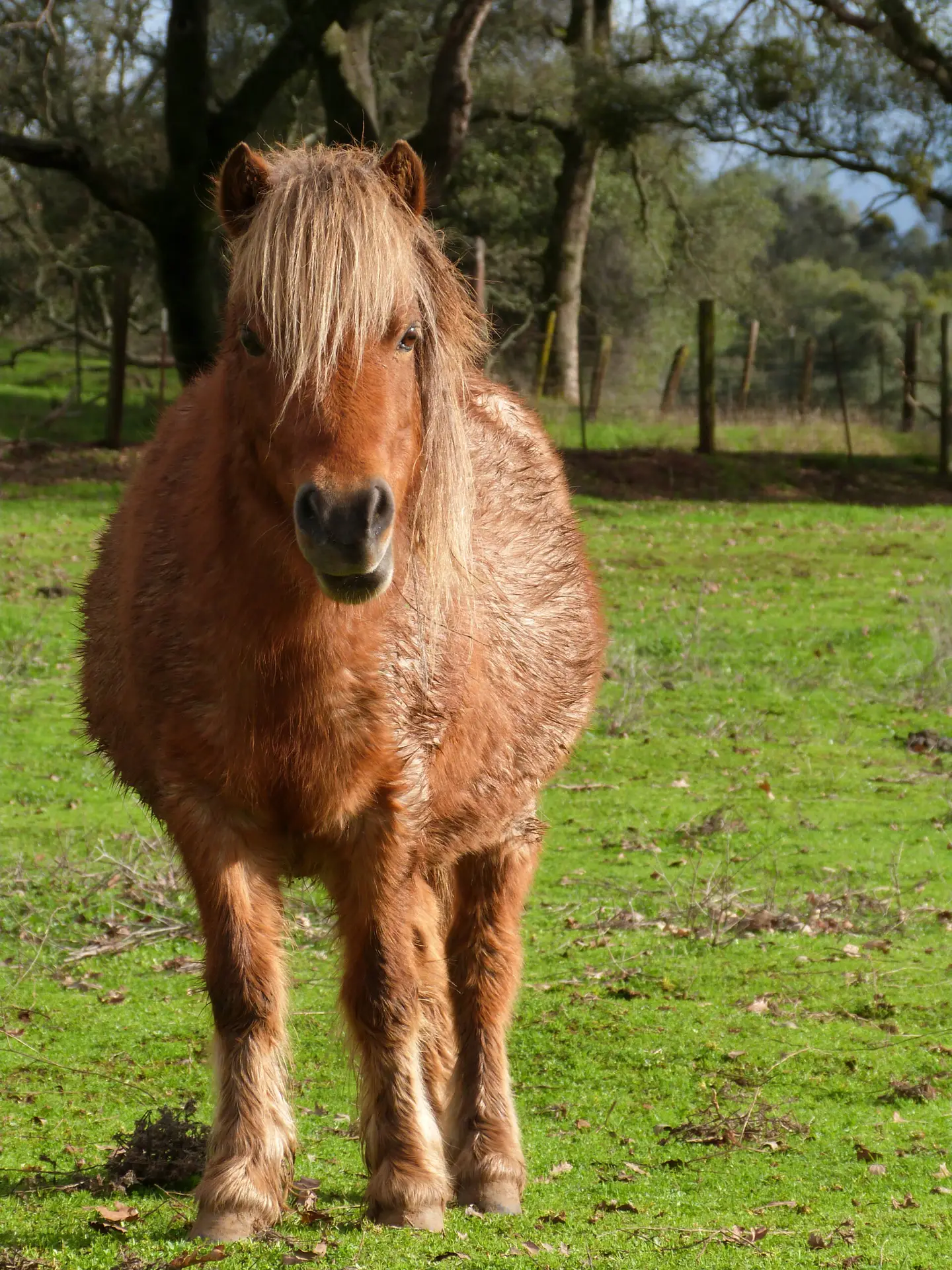
For instance, the heavy hair coat seen in PPID horses may be due to an increase in alpha-MSH (alpha-melanocyte-stimulating hormone) in addition to the increased ACTH. “This [increase in alpha-MSH] is part of what goes on in the fall when horses start growing their winter hair coat. This is also linked to the long hair coat not shedding. The hair is not just long, but is often curly and matted. It may also be a bit greasy. The hair is abnormal,” says Kritchevsky. This classic PPID sign is seasonal and develops gradually, which means it can go unnoticed and delay diagnosis. “The average age of diagnosis with PPID based on a long hair coat is 25. But when you look for changes in the horse’s hormones, the average age is 15. This is one of the frustrating things about this syndrome —the insidious onset.”
There are some PPID horses who don’t have a long hair coat. “Any horse older than 10 that has any of these other signs—like laminitis and you can’t figure out why, or has hoof abscesses that won’t resolve, or seems to have various unexplained issues—should be tested for PPID even if they don’t have the long hair coat,” says Kritchevsky. “Often that situation comes fairly late in the game.”
Beyond hormone fluctuations, physical changes can also account for some of the signs of PPID, such as drinking more. “One of the reasons for excess drinking may be the fact that as the tumor in the pituitary gets bigger, it compresses other parts of the pituitary, and one of them is the part that regulates thirst,” Kritchevsky explains.
How does a veterinarian choose which PPID test to use?
“We use two tests to identify PPID in a horse,” says Frank. “One is a measure of the resting or ‘basal’ ACTH concentration. This is very straightforward and involves taking a blood sample and measuring the ACTH concentration. The second test is the thyrotropin-releasing hormone stimulation test (TRH stimulation test),” says Frank. “This involves injection of TRH and collection of a blood sample 10 minutes later. Because we are stimulating the endocrine system, we see the ACTH go up in all horses. But in a horse that’s developing PPID we see a higher increase in the ACTH.”
Severity of signs
Which test a veterinarian chooses will depend on severity of clinical signs. “If we see obvious clinical signs that suggest the horse has moderate or advanced PPID, we take blood and check the resting ACTH,” says Frank. “It will be increased, confirming the diagnosis. The challenge arises when we are dealing with a horse that has early clinical signs, which are very subtle. The resting ACTH test is not sensitive enough to pick up on this disease in the early stages,” he says. “In these cases we need a test that will stimulate the system, so that we can then see when a horse is developing PPID even in the earliest stages. That’s when we use the TRH stimulation test.”
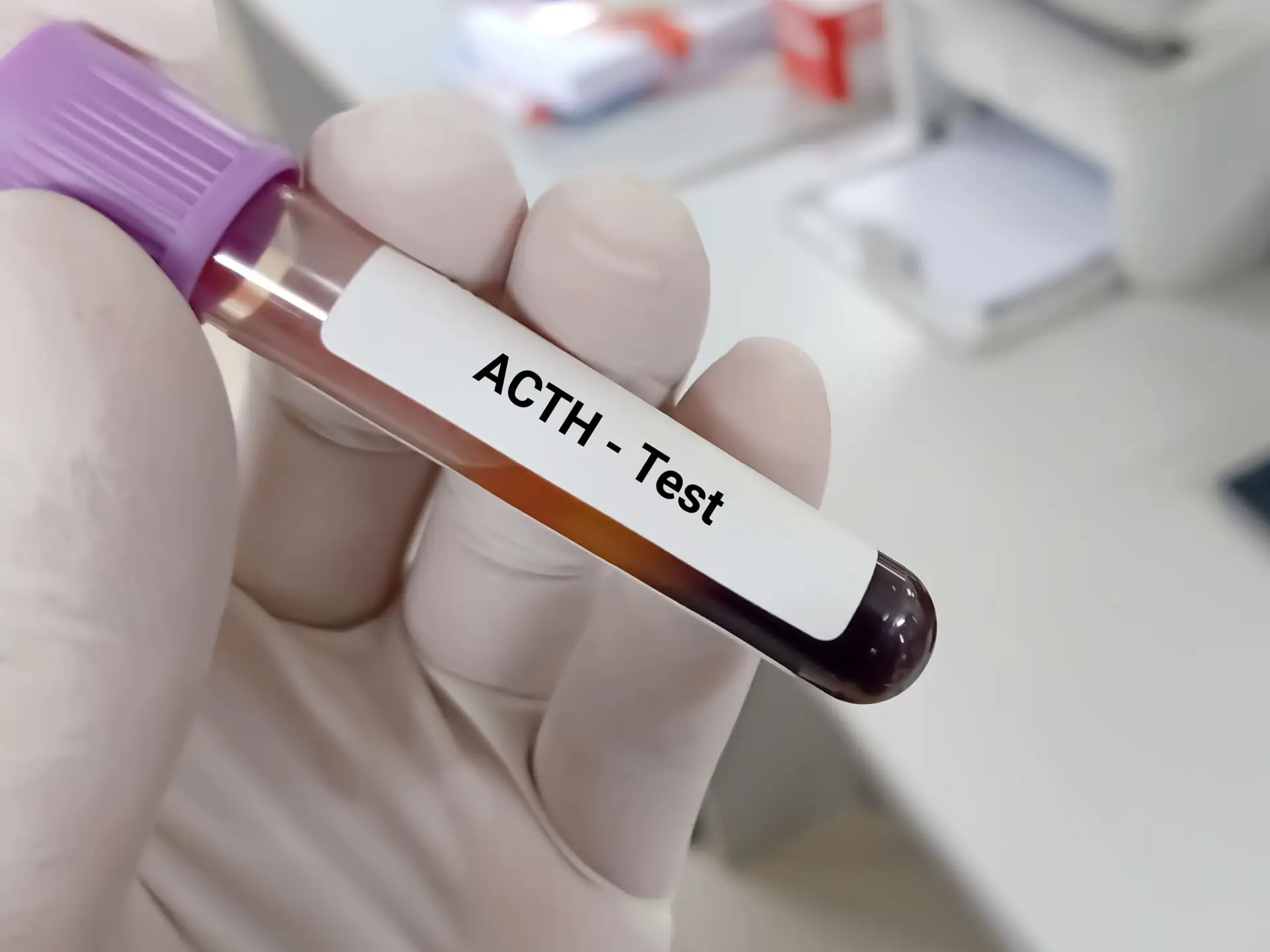
Diagnosis, then, requires a consideration of clinical signs as well as laboratory reports. “The first determination a veterinarian makes is what stage of the disease they think they are looking at,” explains Frank. “If it’s early, they have to consider using the TRH stimulation test. Whereas if it’s more advanced the veterinarian would just check the resting ACTH, which is the easier test.”
An important consideration with both tests is the time of year at which they were performed. Horses have natural fluctuations in their ACTH levels, depending on the season and geographic location. These fluctuations can lead to false negative and false positive results. There was a time when veterinarians did not recommend testing horses during the fall because of difficulty interpreting the results. But research has led to the development of “reference ranges” for different times of the year and locations. This data can be used to determine if a horse’s ACTH levels are within normal ranges for that particular time and place.
Is pergolide the only medical option available to treat PPID?
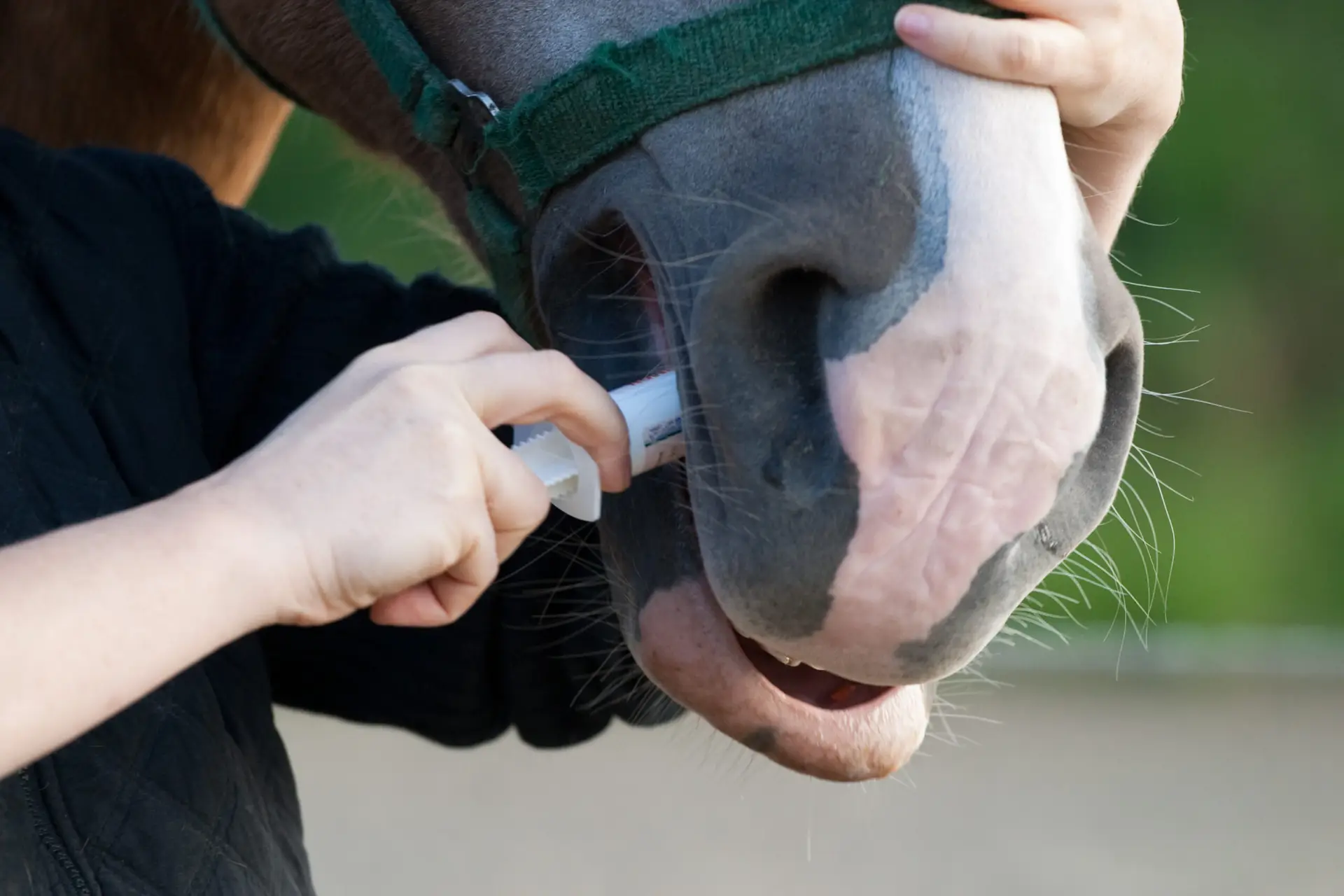
Pergolide is the only drug approved by the FDA to treat PPID in horses. It has been scientifically proven safe and effective and is the first line of treatment in nearly all cases. “How well pergolide controls PPID depends upon the stage of the disease,” says Frank. “If we are diagnosing it early—and the signs are mild—we expect a very good response to pergolide. The horse may even return to a normal appearance, and the clinical signs go away.”
Additional medications
Sometimes, however, a second medication is called for. “The experience we’ve had in treating PPID has shown that pergolide is the most effective. So it is the drug that is recommended,” says Frank. “There are times, however, with the more severely affected horses, that we will have increased the dosage of pergolide, and have come to a point where we will add cyproheptadine (a serotonin receptor antagonist) as a second, additional treatment. We give both drugs at the same time. In these situations, we are generally giving the horse 3 milligrams of pergolide daily and add the cyproheptadine to try to get additional improvement.”
Even while using both drugs, the improvement in the horse may be limited. “If the horse has moderate or advanced disease, we are usually looking at simply being able to reduce the severity of the clinical signs, since we may not be able to resolve them,” says Frank. “The horse probably can’t return back to normal but will be improved.”
Supplements
He adds that some supplements sometimes help horses with PPID but should not be used in place of pergolide. “The most common supplement used in PPID horses is chasteberry, which is a natural supplement that’s been shown to help improve some of the clinical signs of PPID. It is not recommended to replace pergolide but can be given in addition. The supplement I recommend for all horses with PPID is vitamin E.”
Kritchevsky says that its possible improvements seen in PPID horses given supplements are a result of care by an attentive owner, not the supplement itself. “There are other treatments/supplements that some people use and talk about. But none have been shown in research studies to actually help,” she says. “I have seen some of these PPID horses that simply received good care after their diagnosis, and they got much better. Sometimes other treatments/supplements get the credit for the improvement, when in fact it was simply due to good management.”
How can management changes help horses with PPID?
Pergolide is the most effective treatment for PPID, but managing affected horses requires looking beyond the medicine chest. “You can’t just put them on a pill and forget about them,” says Kritchevsky. “The drug does prevent some of the effects, but it doesn’t change the underlying immune problems. The horse will still be vulnerable to infections, for instance, compared to a normal horse. You definitely want to keep up nutrition, parasite control, vaccinations and special hoof care.”
Senior feeds
Diet can be the most complex management challenge in PPID horses because of the condition’s association with insulin dysregulation and related laminitis risk.
“In terms of management changes, the big one is diet,” says Frank. “Some horses with PPID already have insulin dysregulation and the PPID can make it worse. We must work out whether the horse has insulin dysregulation or not, though, before we make any recommendation in terms of diet. We encourage all veterinarians who are managing horses with PPID to check their insulin status. This is particularly important in old horses.”
Senior feeds can be an excellent source of additional calories PPID horses may need. But increasing feed in a horse with insulin dysregulation can be risky. “If [the horse] has problems with insulin dysregulation, we need to provide the calories but be cautious with the amount of sugars in the diet,” says Frank. “We can’t determine the best recommendation until we know the insulin status. Information about the insulin status will also determine whether the horse can go out on pasture and how much grass it has access to.”
Parasite control
Parasite control is also important in PPID horses. “We know that horses with untreated PPID or advanced PPID—those are cases that are only responding partially to treatment— may have higher numbers of parasites,” says Frank. “Their immune system is impaired. We sometimes see roundworms in older horses with PPID, and we normally don’t see roundworms except in foals and yearlings. So it is important in managing horses with PPID to have regular fecal egg counts done to see what the parasite burden is, and address that as needed.” Lowered immune function also means horses with PPID will need to stay current on their vaccinations.
What are signs that medication needs to be adjusted?
“Once a horse is on pergolide, your veterinarian should check hormone levels every six months or so, just to make sure everything is ok,” says Kritchevsky. “In a horse with chronic laminitis, this is what people tend to use as a guide. If the laminitis is under control and the horse is comfortable, we figure the horse is doing ok. If the laminitis flares up again, then it’s time to re-evaluate and look at what is going on.”
Physical clues
There are other, less dramatic, signs a PPID horse may need his medication adjusted. “Horse owners who are very attuned to their horses might notice that the horse is beginning to look duller again, and more lethargic—spending more time sleeping,” says Frank. “We sometimes see the horse beginning to lose muscle mass again, and the hair coat will grow longer again. If the horse is urinating more frequently, and drinking more, this is also a sign that the treatment dose is not high enough.”
Blood tests
Blood tests to check for insulin levels can also indicate the efficacy of ongoing PPID treatment. “If we are dealing with a PPID horse who also has insulin dysregulation, and we’ve got that down to a reasonable level by treating the horse’s PPID with pergolide, we can do an insulin check. If it has gone up again, this would suggest that control of this disease is slipping, and we need to increase the dose of pergolide.”
Follow up
Frank says such checks can be done every six to 12 months, with associated recalibrations. “It’s not a simple regular dosing increase; there is no formula,” he says. “We can’t just tell people to increase it by half a tablet every 2 years. It must be case by case, based on the clinical signs and test results.”
PPID is a serious diagnosis but not a devastating one. With proper medication and management, most horses with the condition can live long, comfortable lives. But that doesn’t mean questions won’t arise. When they do, consult with your veterinarian for the latest information. As research into PPID continues, our collective understanding of the condition is going to advance even further.