

As the days grow shorter and the temperatures chillier, many horse owners face the annual question: to clip or not to clip?
Anyone with experience cooling down horses on cold winter evenings—when a thick winter hair coat won’t let go of heat and moisture despite endless walking and toweling—will appreciate the value of a good clip. It can work wonders for equine comfort and health, not to mention a horsekeeper’s morale!
Ultimately, of course, whether to clip comes down to your horse’s workload, living situation and individual needs. Here are some key factors to consider.
Reasons for winter clipping
Not all horses benefit from having their winter coats clipped, but those in regular work throughout the season often do. If your horse is competing, training consistently or working at moderate-to-heavy levels several times a week, clipping could keep him more comfortable while making grooming easier.
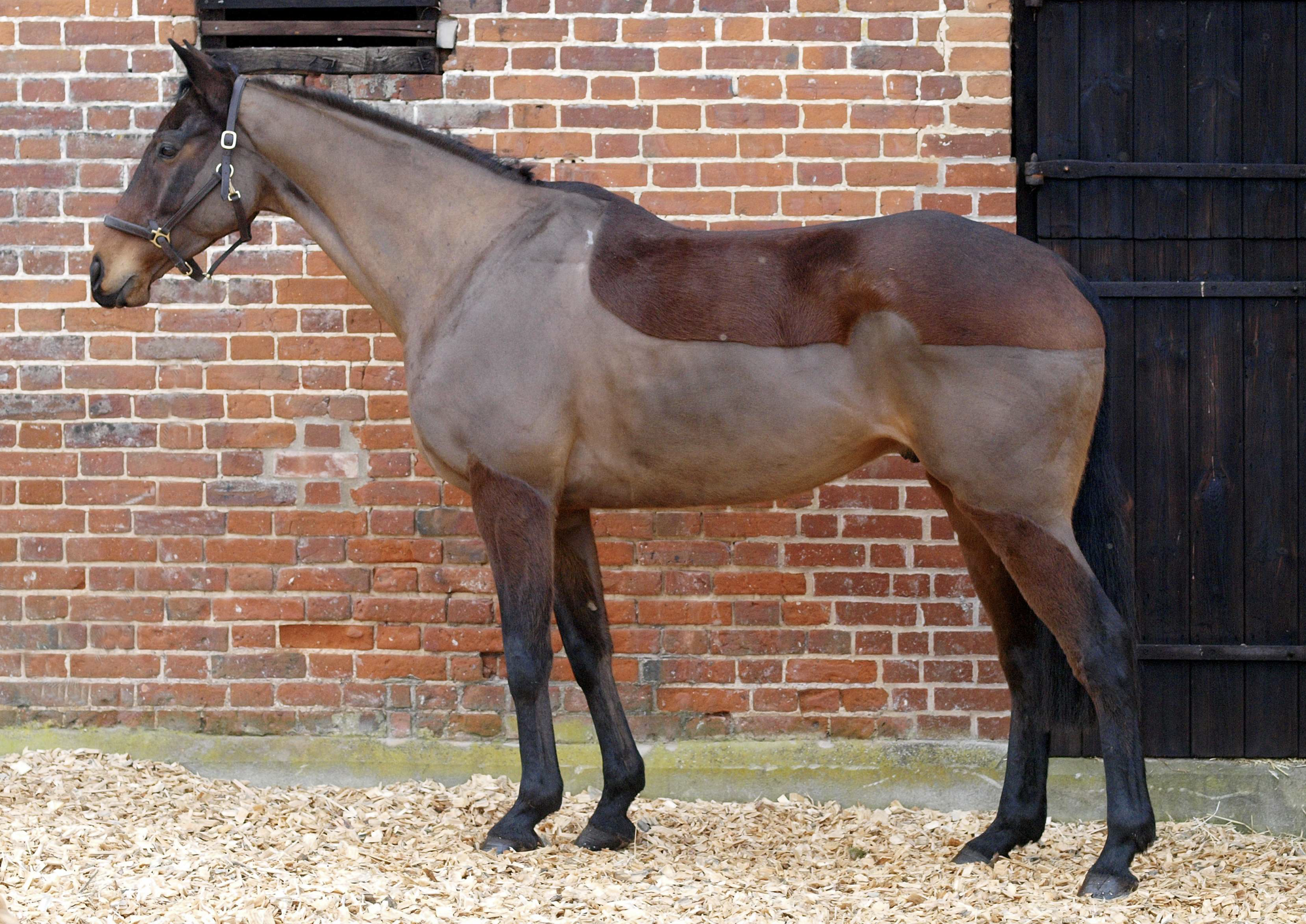
Why? A horse with a full winter coat heats up rapidly during exercise—even on the coldest days—and cooling him down can pose a challenge. Indeed, a dense, shaggy and sweat-soaked coat can take hours to dry completely. Meanwhile, the horse is vulnerable to chills.
Clipping horses is a subject well known to Alena Meacham, director of the Horse Riding Program in the University of Connecticut’s Department of Animal Science. A former intern with Olympic silver medalist Ann Kursinski, she has also trained with many Grand Prix jumper and dressage trainers in the United States and Europe.
“Horses in heavy work, competition, or those that sweat excessively and struggle to cool down and dry off are the most in need of winter clipping,” Meacham says. “These signs indicate that their thick winter coats may be interfering with comfort and recovery after exercise.”
Even horses in more moderate work, ridden perhaps three to four times a week for an hour or so, may benefit from some level of coat reduction. Simply put, if your horse regularly breaks a sweat during normal work and takes more than 30 minutes to cool down and dry off, you may want to consider clipping.
Keep in mind, though, that clipped horses require significantly more man-agement than unclipped ones. They’ll need appropriate blanketing, proper shelter and careful monitoring during temperature swings. Thus, once you clip your horse, you’ll be checking weather forecasts frequently and adjusting blankets accordingly.
When to skip clipping
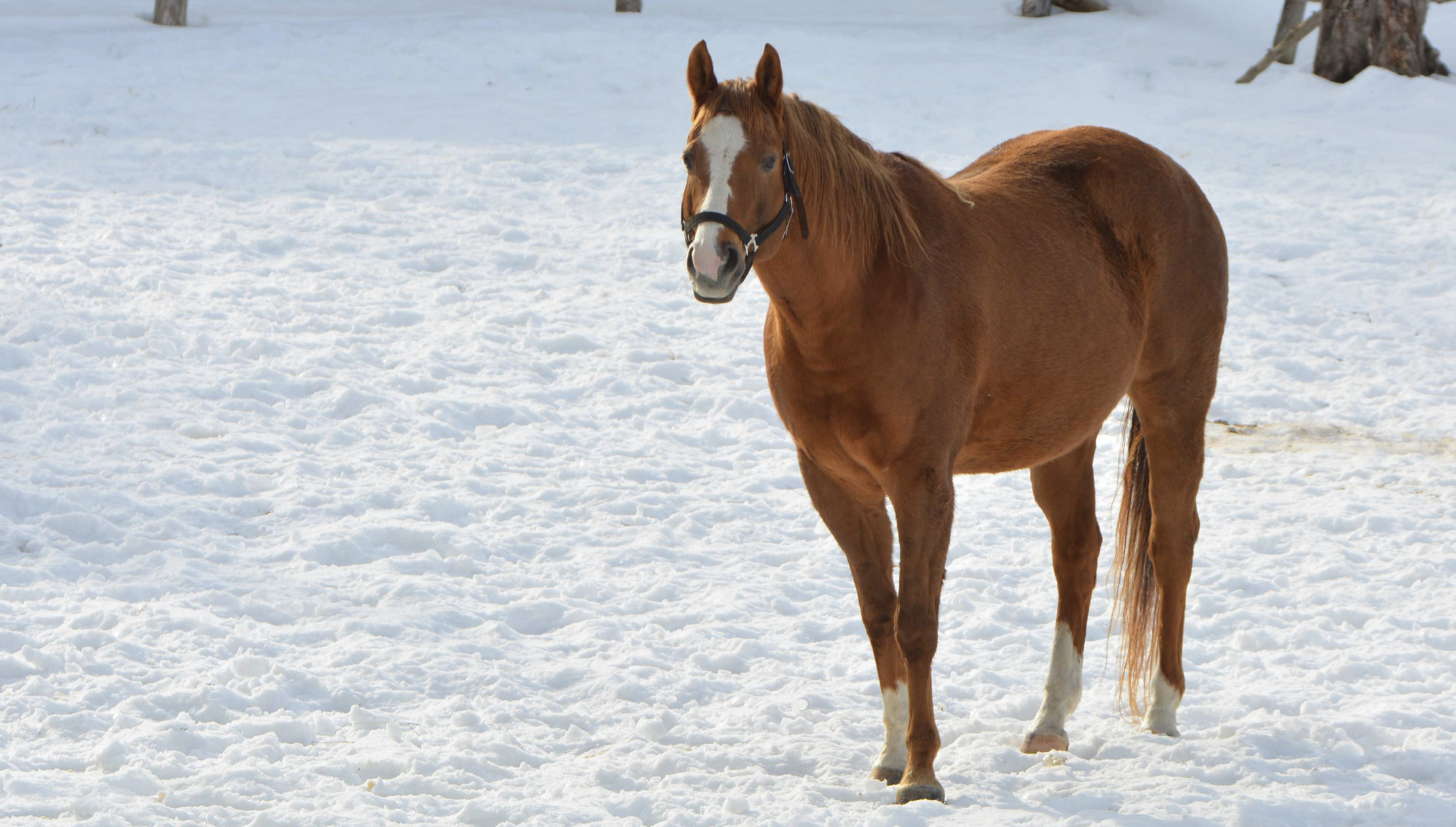
Clipping isn’t appropriate for every horse. Horses who live outdoors 24/7 generally need all the protection that their natural coats provide, unless they’re in very heavy work and have appropriate blanketing available. In addition, horses who are ridden only occasionally—perhaps once a week for a leisurely trail ride—typically don’t generate enough heat to warrant clipping.
Very old and very young horses require special consideration when it comes to the clipping question. Older horses often have more trouble regulating their body temperature and may need their natural coat for warmth, even if they’re still in work. Likewise, young horses, particularly those under age 3, are still developing their temperature regulation systems and often do better with their natural coats.
Also in a special category are horses with certain health conditions, parti-cularly those with endocrine diseases like pituitary pars intermedia dysfunc- tion (PPID, Cushing’s disease), who may grow abnormally thick coats that don’t shed normally. These horses often benefit from clipping, too. But consult your veterinarian about how best to manage them for optimal health and comfort.
Time to clip
Most horses can be clipped once their winter coats have come in. This is typically sometime between October and December, depending on your region. You’ll know to get out the clippers when your horse’s coat starts thickening and it takes longer to cool him down.
Although a single clipping at the beginning of the cold season usually suffices for most horses, those with particularly thick or fast-growing coats may benefit from a second trim in January or February. And those in heavy work might need touchups every six to eight weeks.
“Some horses may need to be re-clipped depending on their rate of hair growth, but I avoid clipping later in the winter to prevent removing the early summer coat,” Meacham cautions. The key is to monitor your horse. If he is starting to sweat profusely during normal work and taking longer to cool out, it’s probably time for another clip.
The mechanics of clipping
Clipping requires preparation and patience. Start by thoroughly grooming your horse to remove dirt, mud and loose hair, because debris will dull your clipper blades quickly. Choose a quiet area with good lighting, and ensure your horse is completely dry before beginning.
Select appropriate clipper blades based on your trim. Horse clipper blade numbers indicate the length of the coat left after clipping, with higher numbers resulting in a shorter cut and lower numbers leaving a longer coat.
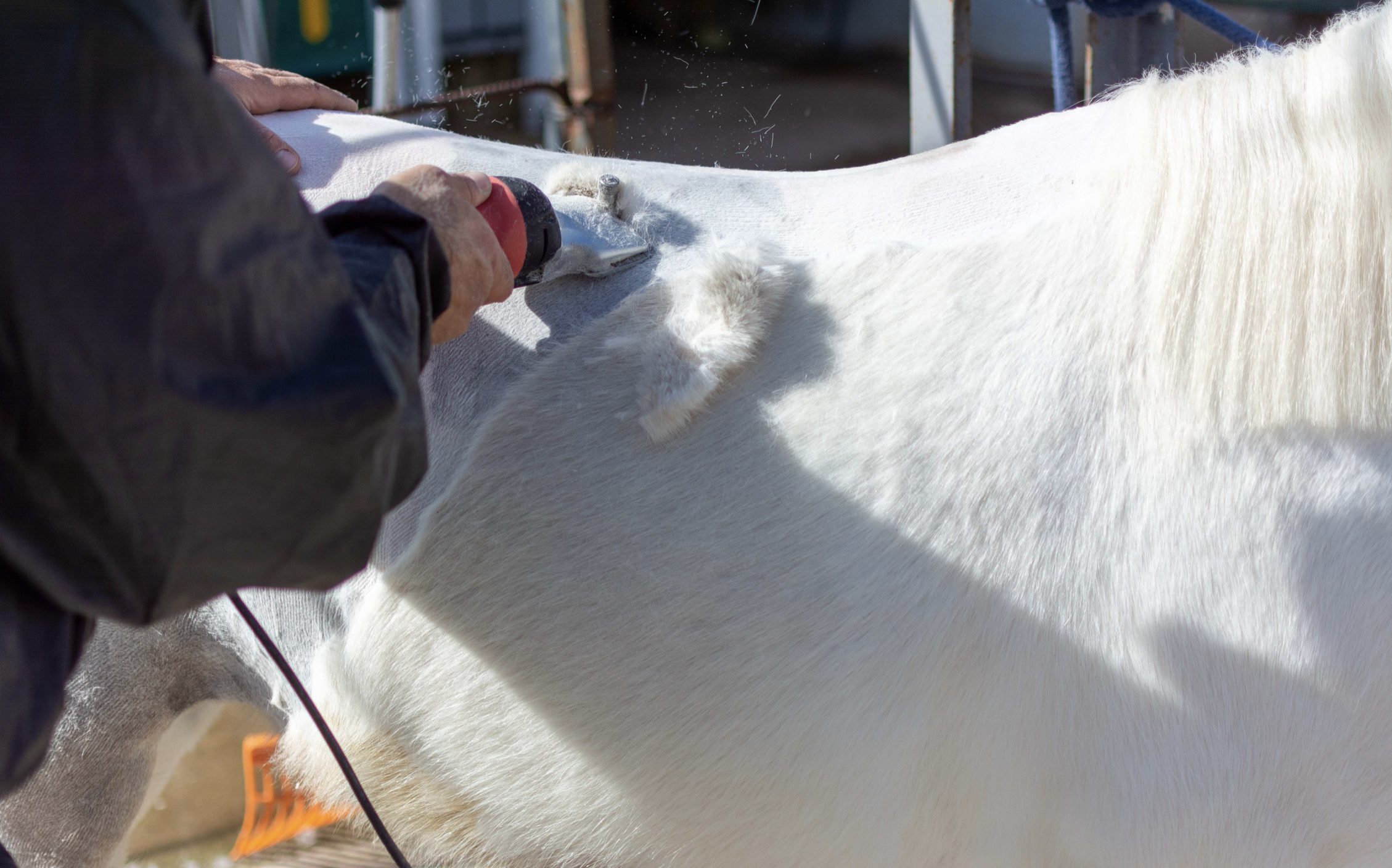
A #10 blade gives a close clip suitable for horses in heavy work, while a #15 provides an even closer cut. Clipping to hair lengths of 1/8 to 1/4 inch—short enough to dramatically improve cooling and drying time, but not so short that you’ve removed all the horse’s natural protection—is usually the goal.
“I typically use size 10 blades for body clipping and wait until late fall [to clip], once the winter coat has fully come in,” notes Meacham. Always use sharp, well-maintained blades and have your clippers serviced regularly for optimal performance.
Plan your clipping pattern before you start. Commonly used clips include the trace clip (removing hair from the chest, belly and neck), blanket clip (leaving hair on the back and loins), or full body clip. (For more information, see “Popular Patterns,” page 28). Consider marking the clip outlines with chalk for guidance.
Work systematically, clipping against the hair growth direction in long, overlapping strokes. Take frequent breaks to prevent overheating and manage the horse’s stress. Keep clipper blades cool by switching between multiple sets or using cooling sprays.
The bottom line
For horses in regular work, proper clipping paired with good blanket management can mean the difference between a comfortable, healthy winter and months of struggling with overheating and prolonged cooling periods.
When in doubt, consult with your veterinarian or an experienced horsekeeper (or an extension spec-ialist) to help you assess your horse’s needs and choose the best approach for your situation. After all, every horse is different, and what works for your neighbor’s horse might not be right for yours.
Our expert
Alena Meacham is the director of the Horse Riding Program in the Department of Animal Science at University of Connecticut, Storrs in Connecticut. After earning her degree from Johnson and Wales University, Alena interned with Olympic Silver Medalist Ann Kursinski and went on to train with many Grand Prix jumper and dressage trainers from the United States and Europe. Under her leadership, the UConn Equestrian Team, Dressage Team and Western Team have won multiple regional championships and national placements. She promotes riding in the community through seminars and programs tailored for beginner to advanced riders.