

Question:
Is it true that most polo ponies ridden in competition are mares? I read that somewhere recently and really like to think that it’s true. If it is, what is it about mares that makes them better for that sport? Is it because they are more physically capable? Smarter? More competitive? Is it just a tradition? This seems to fly in the face of the assumptions about “marish” behavior. I know of no other equestrian sport where mares are preferred. But I love this idea and want to know more.
Answer from Margaux Buchanan, DVM:
Yes, that is absolutely correct. Mares are considered more desirable for use as polo ponies and make up the majority of horses you’ll see on the field. As to why that is, I suspect nearly everybody who plays polo will tell you that mares are smarter and will give you 100 percent every time on the field. Geldings tend to be more consistent but are perceived as a little bit lazy or laid-back.
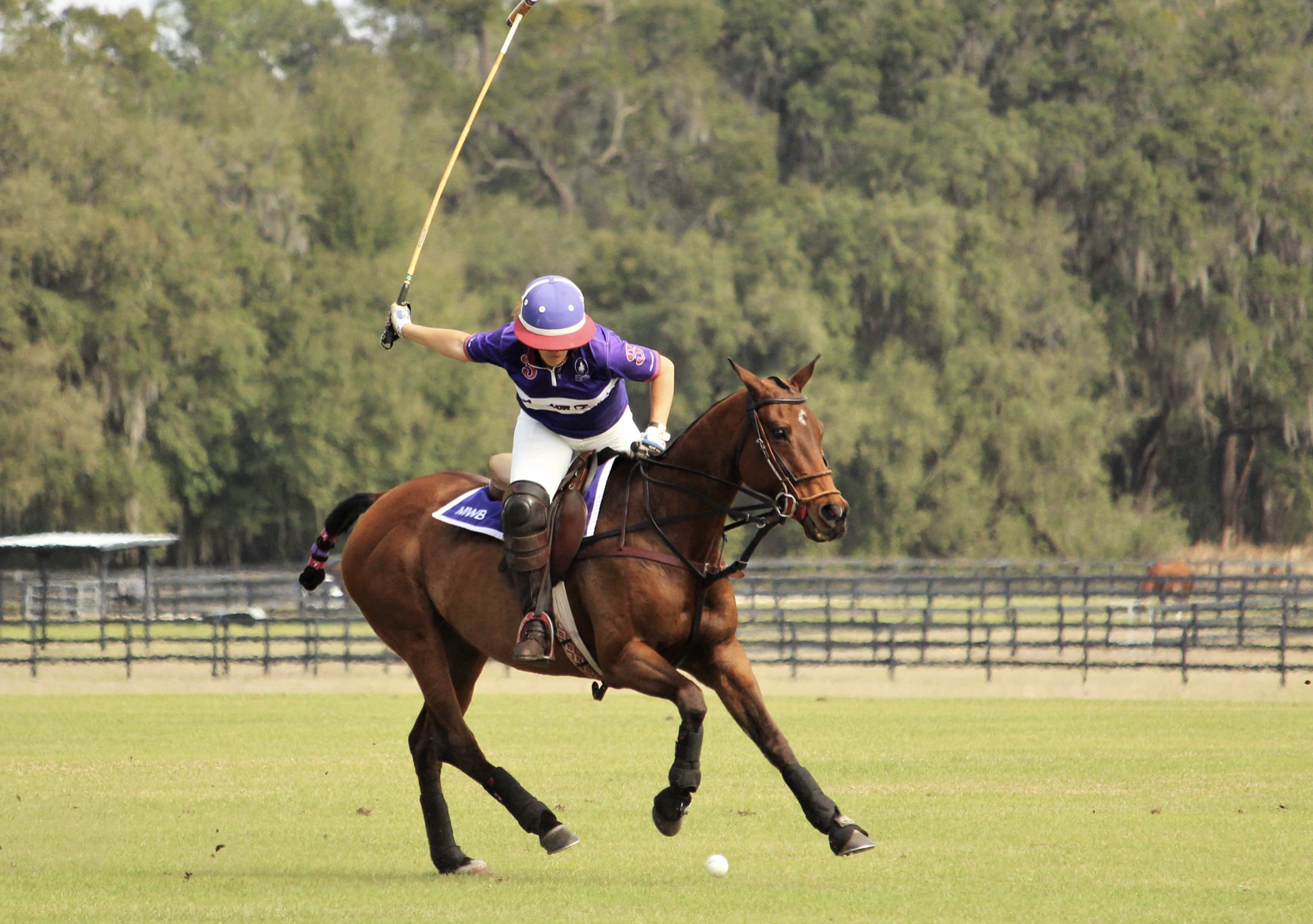
Perception or reality?
In a sport where fast turns and quick decisions are made with every play, a competitive edge counts, and mares are perceived to give players this edge. Stallions aren’t an option because they are hard to manage in a group. Most people have at least six polo ponies to play a competitive match, so managing a stallion under those conditions would be extremely challenging.
I must note, nonetheless, that there are legendary polo stallions that play well and are well-managed, but these are few and far between.
The whole picture
Another consideration is how injuries in horses and players can be managed when using mares. During the downtime necessary for healing, mares can still be productive. For example, a good polo mare who needs a year off can have a foal during that time. So she would still be contributing to the team by producing the next generation of ponies. After her time off, the mare can then return to the field. It’s a lot harder to do something productive with a gelding during downtime, so many injured geldings never return to play. Instead they are often simply retired or moved to less strenuous sports.
That said, I’ve had some geldings who were absolutely amazing on the field. But for every gelding I play, I normally have four or more mares. Everybody has their preferences, and I would say mine is a bay mare with a star, any day.
Margaux Buchanan, DVM
Sarasota, Florida
Our expert
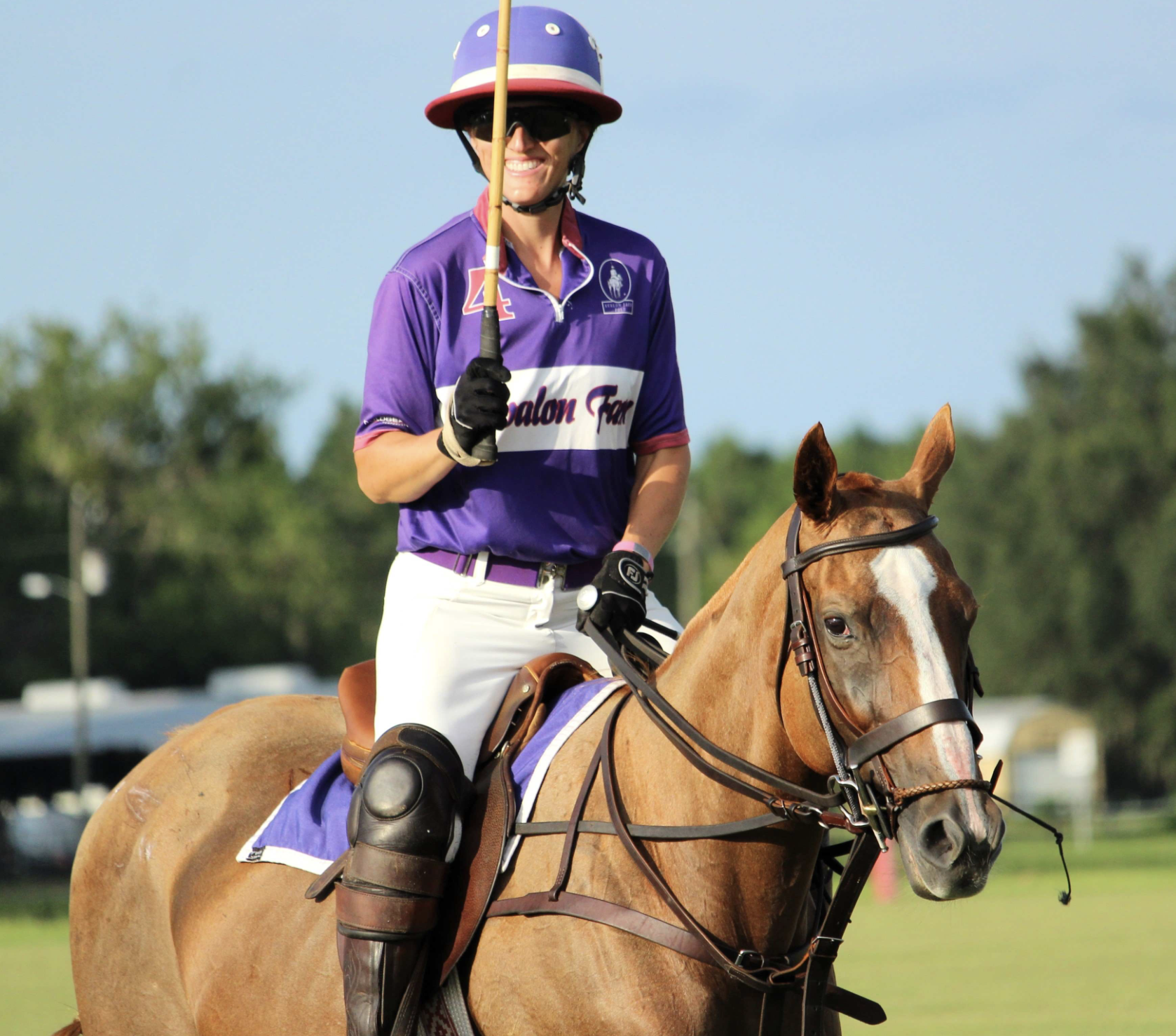
After receiving her Bachelor of Arts degree from Smith College in 2007, Margaux Buchanan, DVM, earned her veterinary degree from The Ohio State University College of Veterinary Medicine in 2011. In 2012, she completed a yearlong internship at East Coast Equine and Animal Medical Center in Vero Beach, Florida. During that time, Buchanan—an avid equestrian since childhood—rode a polo pony for the first time, and a passion for the sport of polo was born that follows her to this day. In fact, Buchanan’s interest in polo has taken her to Sarasota, Florida, where she currently practices at Sarasota Equine Veterinary Services and plays at the Sarasota Polo Club. She is shown in the photo at top right playing her favorite mare, “Cowgirl.”