

Question:
My horse seems to stumble on trail rides more than he should. He’s a 15-year-old Thoroughbred, and I’ve owned him for five years now. I was not a particularly experienced rider when I purchased him, but I’ve come a long way. We’ve mostly spent time in the arena, taking lessons and preparing for small hunter shows, but we’ve recently started doing short trail rides as my confidence has improved, and this is where he’s stumbling. He seems to find every root, rock or divot to catch a front hoof on. Then he lurches forward and then catches himself.
Although he has never fallen, I get pulled forward and thrown off balance. It’s annoying and making me a bit fearful of trail rides. Other horses on the trail rides with us do not seem to stumble nearly this much. Is this a hoof problem? A vision problem? Is he just not paying attention? Any guidance on how I can investigate and change this behavior would be very appreciated.
Answer from Brian Eitelman, DVM, CJF
This is a great line of questions. Let’s start with the simple stuff and then work through the harder questions.
“Is my horse not paying attention?”
I would say this isn’t likely the case, especially given the pattern and frequency with which your horse is stumbling. Also, distracted horses aren’t sneaky about it. Their lack of focus is usually obvious, and there is often a fear component—they are by themselves or without their soul mate (and likely screaming constantly), or they are convinced there is some unseen monster on the wind (with perked ears, head up, snorting and tense).
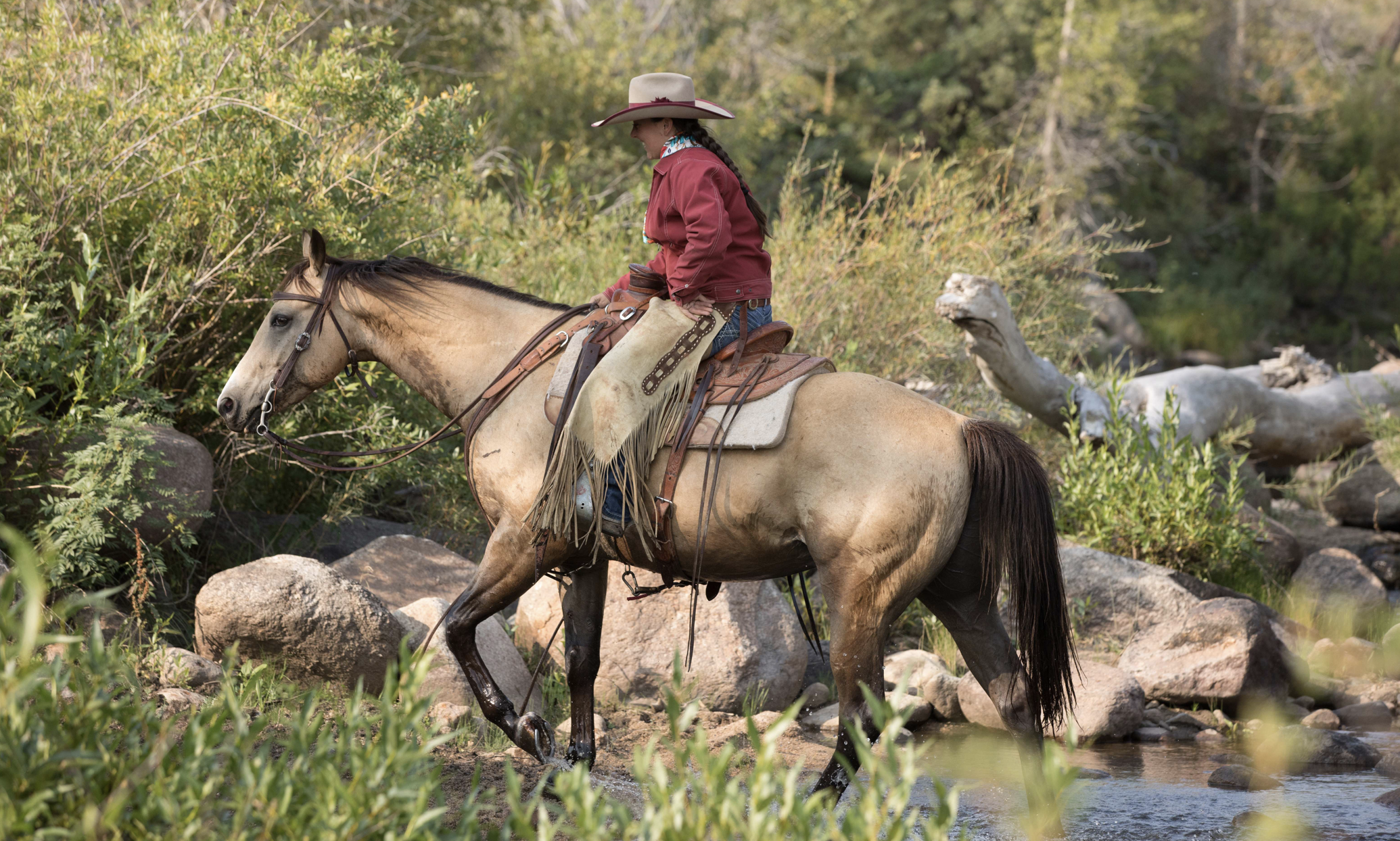
Horses do surprisingly well at compensating for soreness when moving over level, consistent surfaces. But any lameness issues become much more apparent on the trail. (Adobe Stock)
Even then, distraction doesn’t typically cause stumbling. Go for some rides with those in your circle who you feel are knowledgeable about horse behavior and ask them if they think your horse is excessively distracted. You can also try to switch up ride mates and ride order to see if this makes a difference.
“Is this a vision problem?”
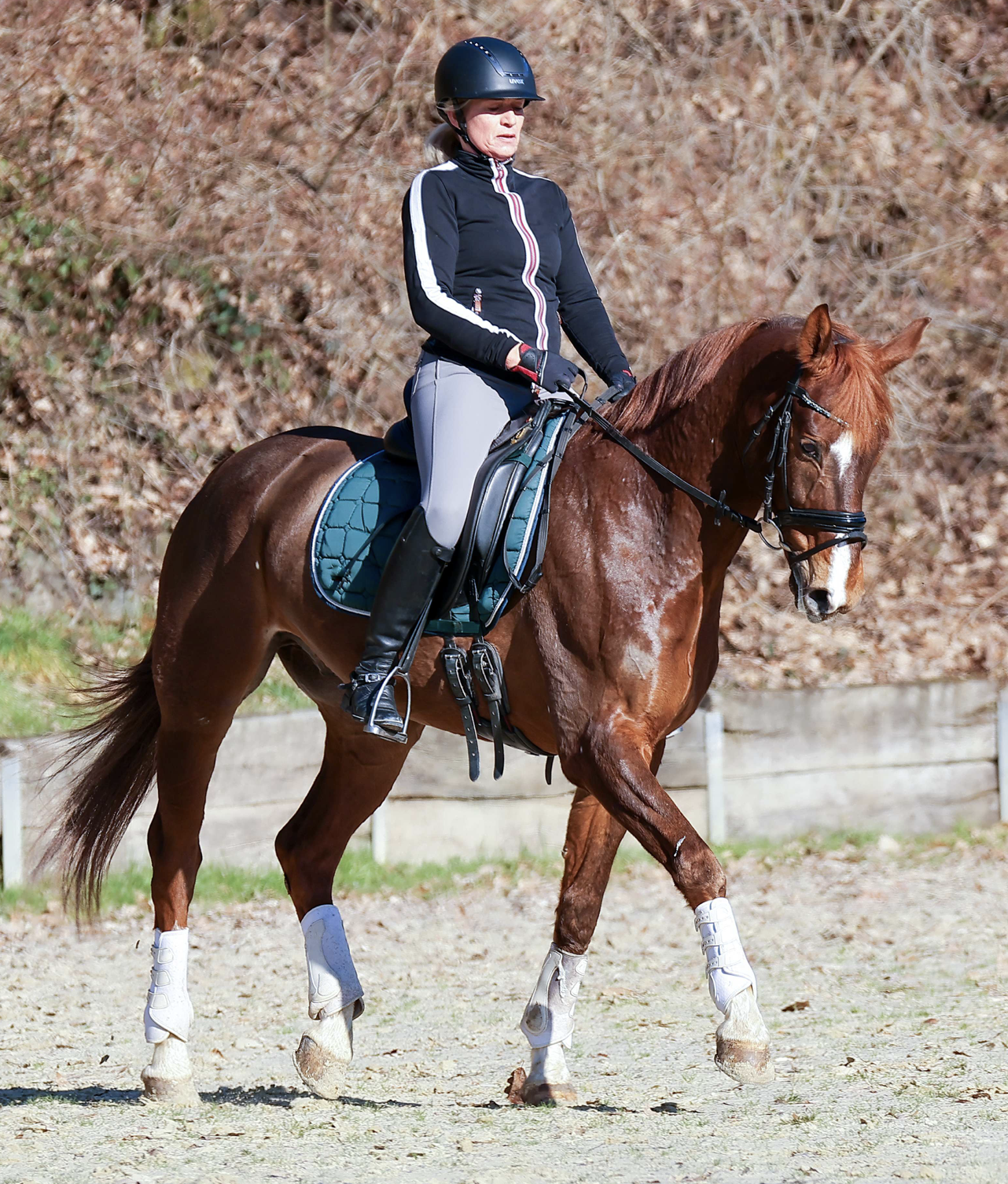
This is entirely possible. A great starting point would be to have your horse’s eyes examined by your veterinarian or—better yet—by a board-certified ophthalmologist. Probably the two most common reasons for vision loss in horses are cataracts or uveitis. With cataracts, you might not notice visible changes to the eyes, which is why a thorough veterinary exam is important. With uveitis, you will usually notice squinting/blinking, discharge, redness and/or other signs of eye pain.
While it’s worth having a veterinary professional check your horse’s eyes, it can be hard to quantify the extent to which vision deficits affect equine behavior. The observable and objective findings in the eyes may or may not correlate with a horse’s behavior.
For example, one horse in my practice had a slowly progressive condition that was causing about 30 percent vision loss in each eye. Objectively, he should have been able to compensate, but he acted like he was nearly blind. He was fine in known and consistent environments, like an arena or his paddock, but he would lose his ever-loving mind and fall all over the place on the trail without a horse butt to follow closely.
On the opposite end of the spectrum was another horse that had near, if not complete, loss of vision but you would never know it. Alone or with other horses, good or bad light, known or unknown terrain, this horse acted like he could see just fine. Again, determining the condition of the eyes with a veterinary exam is very helpful. It sets a baseline, and it gives you and your veterinarian a list of things to monitor and of changes to make as your horse ages.
On to the harder components:
“Is this a hoof problem?”
The most likely scenario, given your horse’s age, behavior and breed, is some kind of lameness or soreness. And this can be anywhere in the leg, not just in the hoof. Thoroughbreds in particular are pushed to incredible athletic feats at a young age. The downside of this is that injuries are commonplace, and horses aren’t always afforded enough time to properly recover. That said, my practice sees this across breeds (not just in Thoroughbreds) with horses that have a background of intense activity as a young horse.
“Is it soreness?”
Low-level arthritis and/or minor tendon/ligament injuries sustained as a younger horse will often show up more with age. On the varying terrain of a trail, versus on the flat ground of an arena or paddock, horses have to lift and extend their legs. They have to load one leg as the others move and find their next step. And they have to do all that over ever-changing ground.
Horses do surprisingly well at compensating for soreness when on level, consistent surfaces, and even when moving with a little bit of speed. However, on the trail where they have to step slowly and intentionally, using the full range of motion of each leg, any lameness issues become much more apparent.
Horses aren’t stupid—big trips and stumbles happen for a reason, and there is usually a soreness component. Maybe they’re lazy, maybe they hurt, but most likely they’re lazy because they hurt. They don’t want to lift that leg over that root or rock and so they trip. They step in that dip in the ground and accidently hit a sore point on their foot or leg and respond by buckling because that’s the fastest way to relieve the pressure from the painful area. How do you investigate this? Having your horse evaluated for any lameness issues will be key, and then addressing these as warranted.
Changing needs
Lastly, on a personal note, your struggle is one our practice sees often. This does not mean your horse is broken. It means he likely needs different care and more attention as his body ages. You said that your own confidence is growing—well done! At the same time, though, your horse’s body is older and has more issues than when you first got him. So, as your riding ability has grown over time, his physical capacity has been decreasing.
It might be good to consider increasing the maintenance on his body, thanking him by easing him into well-deserved retirement, or passing him on to his next person to help them fall in love with horses, too.
Brian Eitelman, DVM, CJF
Aggie Vet and Farrier Services, LLC
Parker, Colorado
Our expert
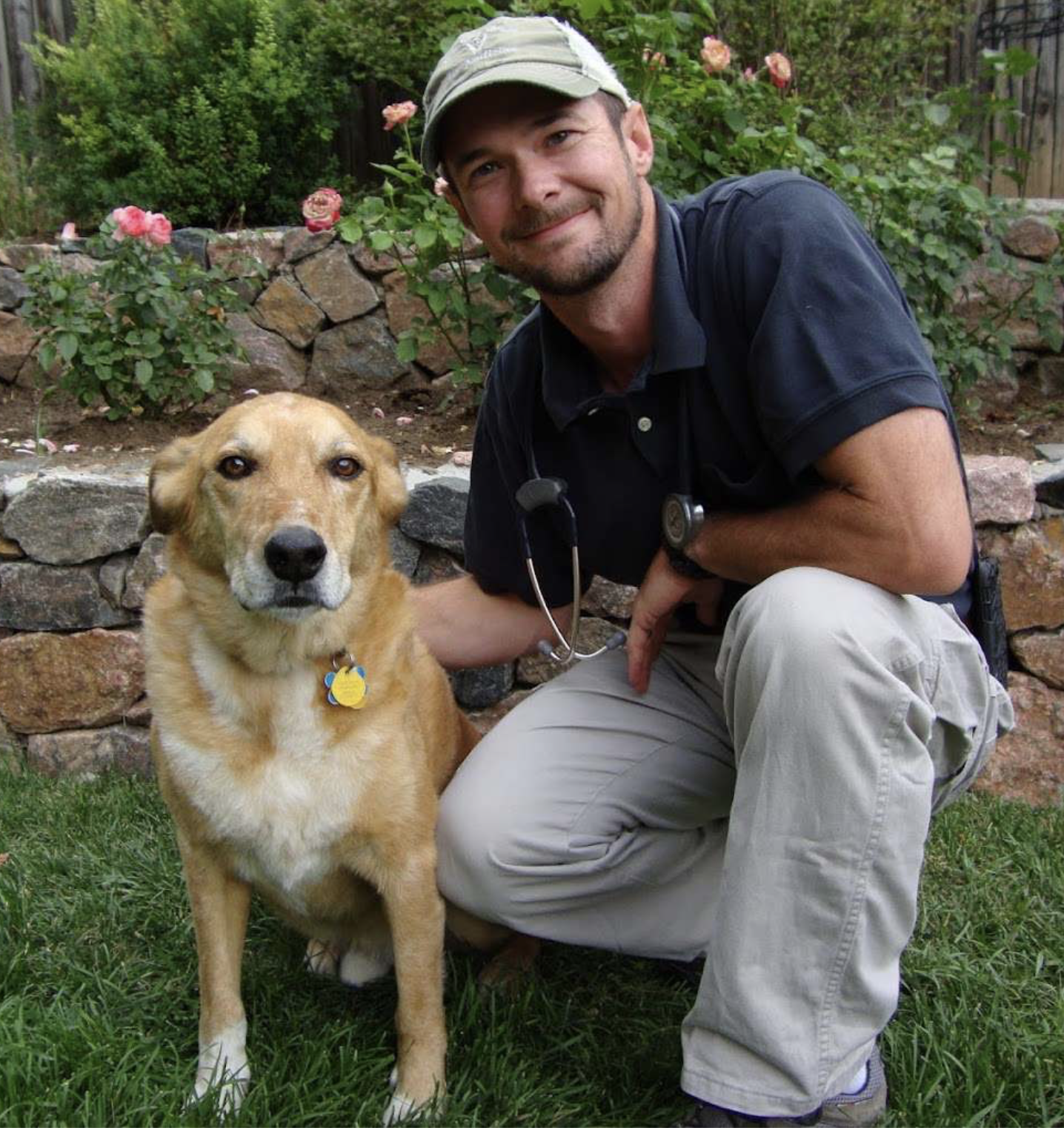
Prior to earning his Doctor of Veterinary Medicine degree from Colorado State University, Brian Eitelman, DVM, CJF, attained the rank of Journeyman Farrier, the highest level of farrier certification. Eitelman is one of the only veterinarians in the United States to be an American Farrier Association-certified Journeyman Farrier.