



Late summer brings dry spells in many parts of the country. If you haven’t seen much rain in a while, take care to notice how hard the ground is beneath your horse’s feet. As the cushioning grass dies back, sunbaked ground can become as unyielding as frozen footing, and routine workouts can cause sore feet, hoof abscesses and other concussive injuries.
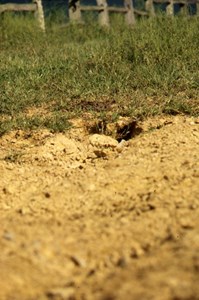
Many horses will dutifully keep working until pain develops, so it’s up to you to recognize when the ground may be too hard. One key clue is a lack of hoofprints, which means the ground has no “give” in it at all, sending all the force of each stride upward into the horse’s hoof and leg. Your ears can also provide a clue: If you hear the hoofbeats “ring” as you ride, the ground is hard enough to injure your horse.
When riding on hard ground in the summer, stick to a walk and definitely avoid jumping. Reserve your more intense work for arenas or rings with footing that is kept soft and for-giving in all seasons.
This article first appeared in EQUUS issue #443.