

*Content Warning: This news release mentions suicide.
LEXINGTON, KY (April 15, 2026)—Brooke USA Foundation has announced the launch of a new Native American Equine Welfare Initiative. This transformative program is designed to improve the health, mobility and longevity of horses on Northern Plains reservations while building sustainable local expertise in equine care. Brooke USA aims to raise $80,000 over the next three years through this initiative, with $20,000 already committed by generous donors.
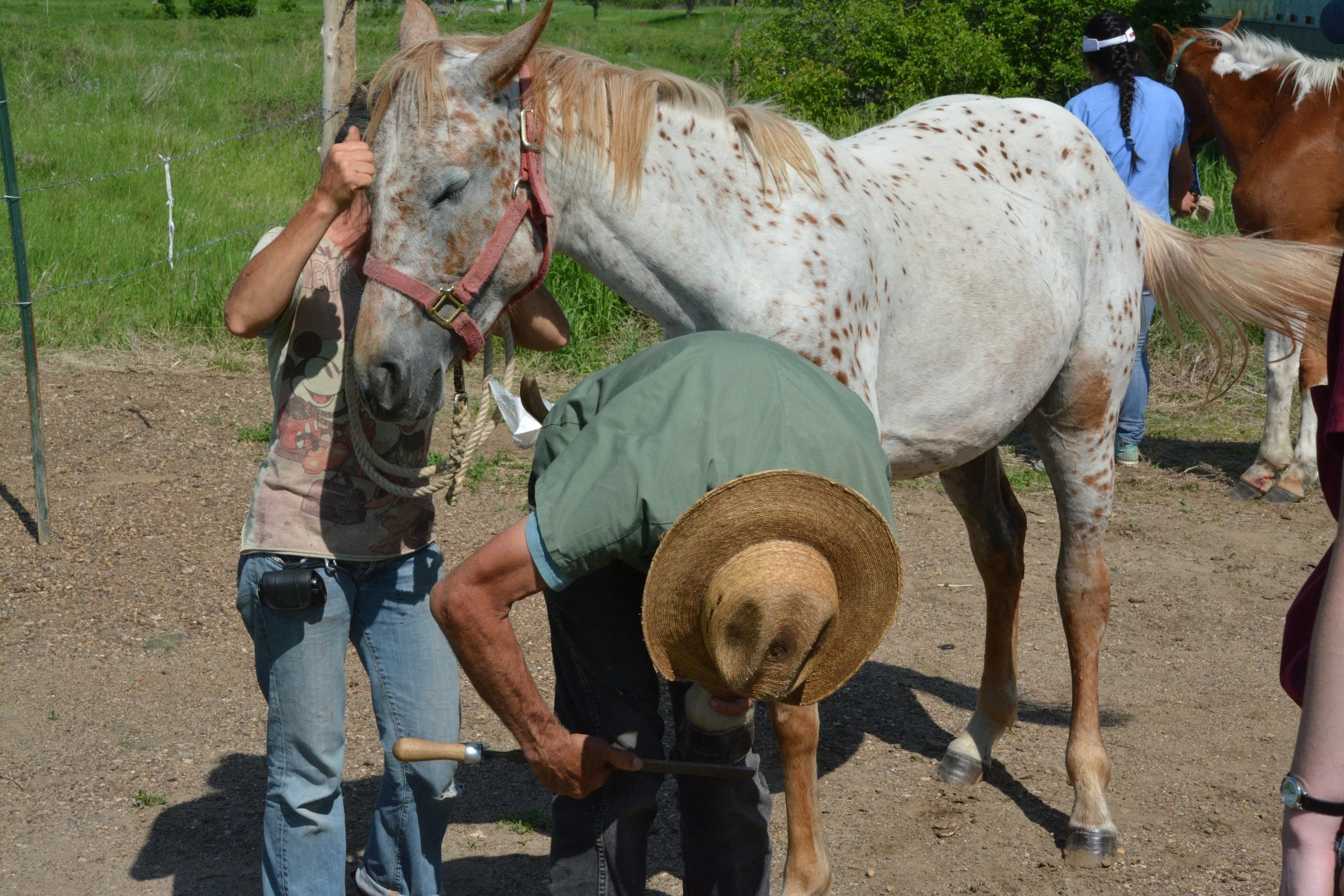
A groundbreaking effort, the program will deliver essential farrier services, expand access to veterinary care and provide reservation youth with career training opportunities that foster economic independence and community resilience.
Native American communities face some of the highest poverty rates in the United States, with one in four individuals living below the federal poverty line. On Northern Plains reservations such as Standing Rock—where 34.3% of families live in poverty—horses remain essential for transportation, livelihood and cultural identity. Yet most of the more than 30,000 horses in the project area lack access to routine veterinary and farrier care.
Environmental and social challenges
Environmental conditions in the Northern Plains further complicate equine welfare. Rapid hoof growth caused by nutrient-rich grasses and moist ground conditions often leads to overgrowth, cracking, deformities, laminitis and chronic lameness. Without routine care, these treatable conditions can permanently compromise a horse’s health and mobility.
The initiative also addresses broader social challenges. Suicide on Northern Plains reservations is the second leading cause of death among individuals aged 10-20, occurring at a rate 2.5 times higher than the national average. Providing meaningful, income-generating opportunities—such as farrier training—can help strengthen self-esteem, economic stability and community well-being.
More than animals
Horses hold profound cultural, spiritual and economic significance for Northern Plains tribes. They provide transportation in rural areas, also supporting ranching and subsistence activities. In addition, they play a central role in community ceremonies that preserve tradition and cultural pride. Healthy horses are essential to community life.
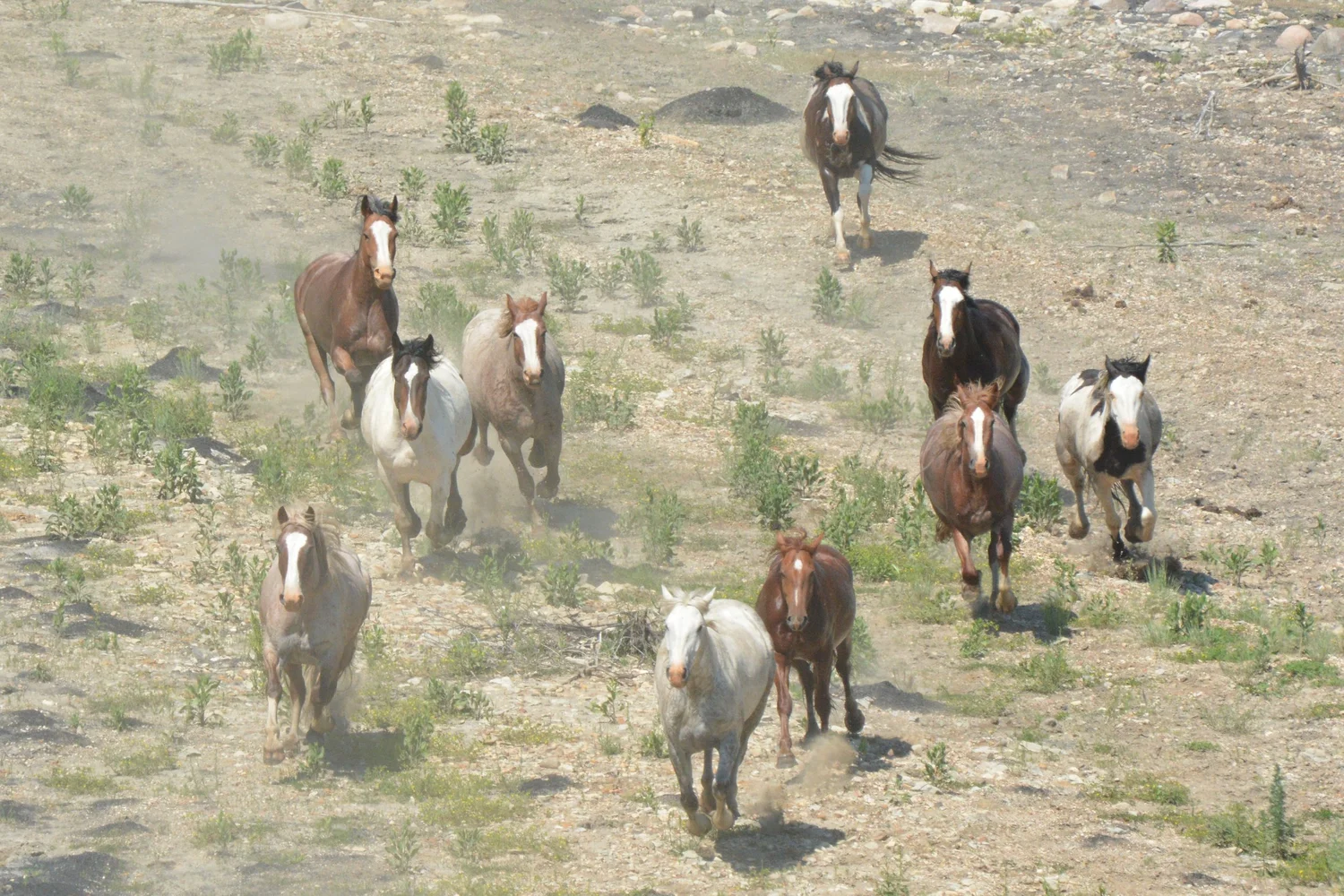
Yet limited transportation, high unemployment and scarce veterinary services leave both people and animals vulnerable. For example, the Standing Rock Sioux Reservation spans approximately 2.3 million acres and is home to more than 16,000 tribal members. Many of them rely on horses for mobility and daily activities. Horses are also increasingly recognized for their therapeutic value in addressing trauma, mental health challenges and youth disengagement. This means that supporting equine welfare benefits both the animals and the people who depend on them.
To implement this initiative, Brooke USA has partnered with Rural Veterinary Experience Teaching and Service (RVETS). A nationally respected organization, RVETS has established relationships in the project regions. Together, they will deliver essential hoof care and veterinary services to underserved communities. In addition, they will train reservation youth to become certified farriers with mentorship and advanced study opportunities.
Other plans include the integratation of equine care education into tribal college vocational programs and building sustainable, community-led equine care capacity within three years. Grant funding will support the purchase of full sets of professional farrier tools, which program participants will retain to help establish their careers. The funds will also compensate trainees at a rate of $25 per treatment, with horse owners contributing an additional $25. This will enable trainees to earn $50 per horse treated.
Honoring the connection
“Brooke USA believes that healthy animals and thriving communities go hand in hand,” said Emily Marquez, chief executive officer of Brooke USA Foundation. “This initiative honors the deep cultural connection between Native American communities and their horses while creating meaningful economic opportunities that will have a lasting impact for generations to come.”
Brooke USA seeks $60,000 in additional funding over the next three years to meet its $80,000 campaign goal. These funds will expand access to care, especially in rural areas, by training new farriers living on the reservations. As mentioned previously, they will also enable the equipment of trainees with professional tools. Lastly, the funds will ensure the long-term sustainability of equine welfare programs in Native American communities by raising the profile of animal health studies within Sitting Bull College.
For more information or to support the Native American Equine Welfare Initiative, please visit www.BrookeUSA.org/native-american.
About Brooke USA
The Kentucky-based Brooke USA Foundation is a non-profit organization dedicated to significantly improving the welfare of working horses, donkeys and mules and the people they serve in the developing world and within vulnerable communities in the United States. Through partnerships, advocacy and funding, Brooke USA supports programs that alleviate suffering, promote sustainable solutions and empower communities. www.BrookeUSA.org.
Landing page image from Brooke USA website