

Have you ever been out driving and seen a car completely covered in dirt? If you look closely, you might see that someone took their finger and wrote “WASH ME!” in the dirt across the back of the car.
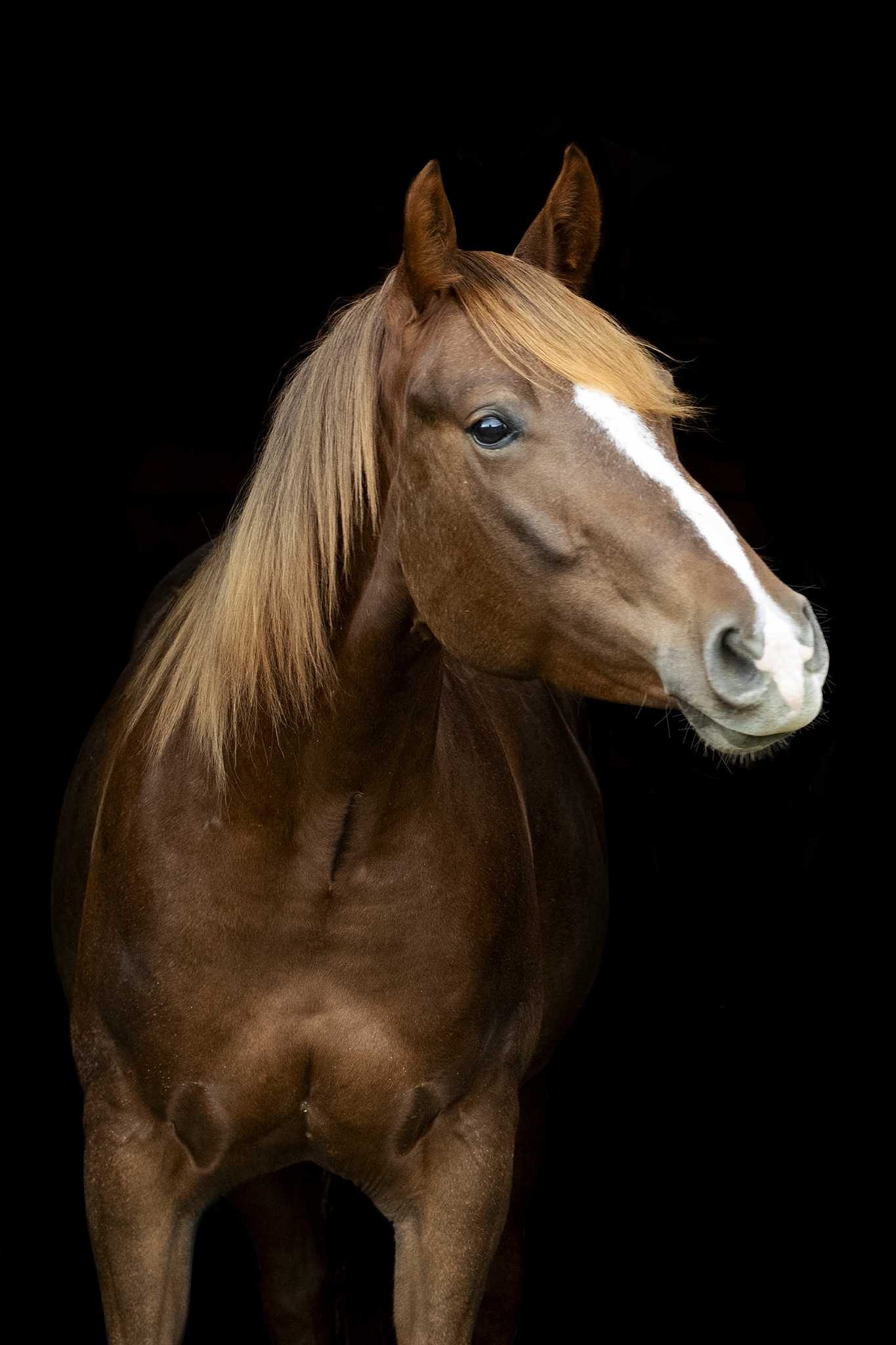
Funny, right? Well, replace the image of that car with the grooming tools we use on our horses and it’s not nearly as amusing.
As a beauty professional, I have spent a large part of my life educating clients and professionals alike on quality hair-care products. I’ve found that caring for the brushes and other parts of a beauty kit is often an afterthought. But the tools we choose, and how we take care of them, are truly a large part of the results we achieve.
As an equestrian, I spend a lot of time, money and energy keeping my horses clean and healthy. You probably do, too. But how much thought have you given to caring for your grooming brushes themselves? When is the last time you inspected and cleaned these tools? Is that even important? It certainly is. And it needs to be done more often than you might think.
Using the right tool for the right job will help achieve the best result. And keeping those tools clean and in good working condition makes that work easier and enhances the results.
First, what’s in your grooming kit?
Most horse owners tend to collect a huge number of brushes and other tools for grooming. And the number you keep on hand is, of course, a matter of personal preference. However, I recommend that every equine grooming kit have the following seven basic tools:
hoof pick with stiff bristles and a comfortable grip for cleaning hooves
currycomb to remove dirt, encourage blood circulation and distribute natural oils
hard/dandy brush with stiff bristles that can remove the dirt and debris that the currycomb lifts to the surface
medium body brush, like the hard brush. This tool whisks away surface dirt, but it has softer bristles for application on more delicate areas and on more sensitive horses.
soft body brush with long, soft bristles can help distribute natural oils, polish the coat and increase shine
face brush with super soft bristles and used with very light strokes
mane/tail brush with firm plastic bristles can prevent matting if used daily
Ideally, each horse will have his own grooming kit where brushes are kept separate from those of other horses. This can help to prevent the spread of infectious skin conditions like ringworm or rainrot.
Cleaning and maintenance
Using dirty brushes can lead to many problems. First and most obviously: Grooming a horse with a dirty brush just puts all the dirt, oil and gunk back onto his coat. Plus, any grooming products you are applying will be less effective. Furthermore, dirty brushes can spread bacteria and fungus, which can cause skin issues like flare-ups of dermatitis and yeast infections.
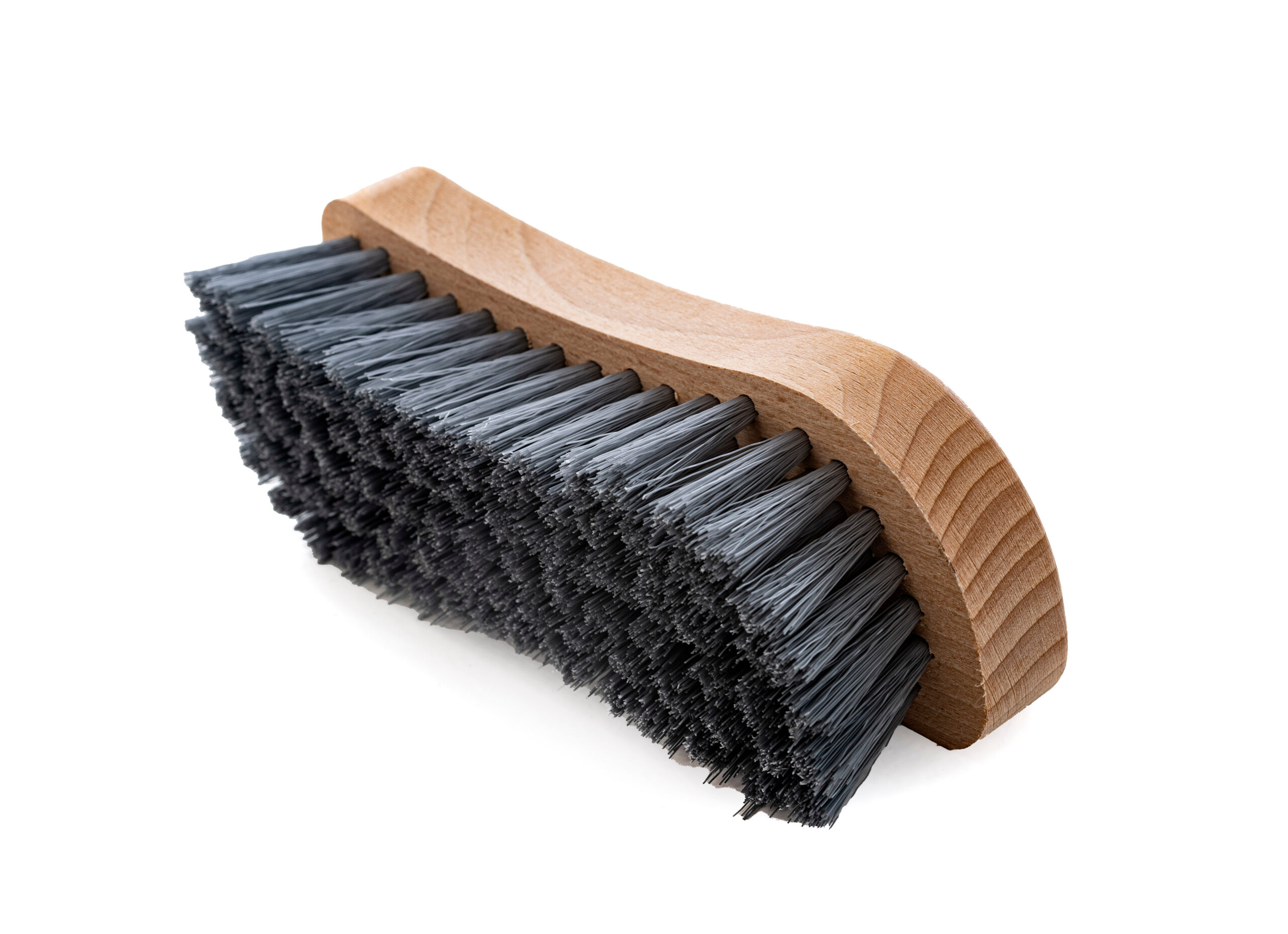
Cleaning your brushes can greatly improve the results of your grooming efforts and possibly the health of your horse’s skin and coat. Then there are the economics of the equation: If you don’t regularly clean your brushes, you’ll have to replace them more often. Accumulated dirt, grime and product residue can cause bristles to fray and deteriorate.
Brush bath
How you clean and maintain your grooming brushes is important. Fortunately, washing brushes is super easy and you probably have what you need on hand right now. To prevent damage, I don’t use harsh chemicals or cleaners on my brushes. I prefer to use more natural ingredients. Here’s my go-to brush bathing formula:
Gentle Brush Bath:
1 part vinegar (white or apple cider vinegar)
4 parts hot water
Mix in a sink or bucket. Put brushes in bath, bristles down. Soak for at least 20 minutes. Repeat (in a fresh bath) if necessary. After soaking, rinse the brushes well with cold water. I then spray each brush with my homemade tea tree oil sanitizing spray. Set brushes aside to dry.
How often you need to clean your brushes will depend on how and how often they are used. If you’re cleaning a filthy, hairy horse daily during a mud-mired winter, you may need to clean your brushes every other week. But if you are just occasionally knocking the dust off a sleek horse mid-summer, a monthly dunk of your brushes might be adequate.
Cleansing spray
In between deep cleans, you can use a simple spray mixture with tea tree oil on your brushes as a natural cleanser. Tea tree oil is praised for its antibacterial, antiviral and antiseptic qualities. I mix up the following natural sanitizing spray and use it on my barn tools as well as my salon brushes:
Tea Tree Sanitizing Spray:
10 drops of tea tree oil
2 cups of water
Mix in spray bottle and shake well before each use. Spray directly on brushes or other tools, allowing them to dry thoroughly before using them. Of course, if your horse appears to have any reaction to this mixture or any other formulation or product, discontinue use immediately.
Finally, don’t forget to regularly clean any towels, mitts or sponges you may use as part of your grooming routine. These can be washed in a machine with a mild detergent. Use an extra rinse cycle to ensure there’s no lingering residue, then dry them thoroughly before storing them back with your grooming gear. If an item comes out of the wash looking old and tired and still dirty, it’s probably time to replace it altogether.
The next time you head into a salon to get your hair done, think about how you would feel if the brush they were using on your hair had never been cleaned. Now why shouldn’t your horse’s grooming kit be held to the same standard? Fortunately, with some inexpensive materials and a small commitment of your time, that’s easy to do. And your horse certainly deserves it.
About the author:
As a 30-year beauty professional and salon educator, Nicola Cocorocchio has spent her career helping her clients look and feel their best. A horse owner and bodywork practitioner, Cocorocchio is now applying her knowledge of client care to horses. Describing her inspiration, she says, “My experience with my heart horse, Milly (and her three-year battle with kidney disease), left me with a passion for providing a safe and healthy approach to all aspects of horse care. From grooming to nutrition and natural-care treatments, I want to share the very best of what I have learned with horses and their owners.”