

A study from Japan shows that horses aren’t too proud to ask for help when they need it. Or, at least, when carrots are involved.
Working at the Kobe University Graduate School of Intercultural Studies, researchers conducted two trials. In one, a horse and a caretaker watched as an experimenter placed carrots in a bucket that was just out of reach. In the second, the caretaker did not see whether carrots were hidden in the bucket.
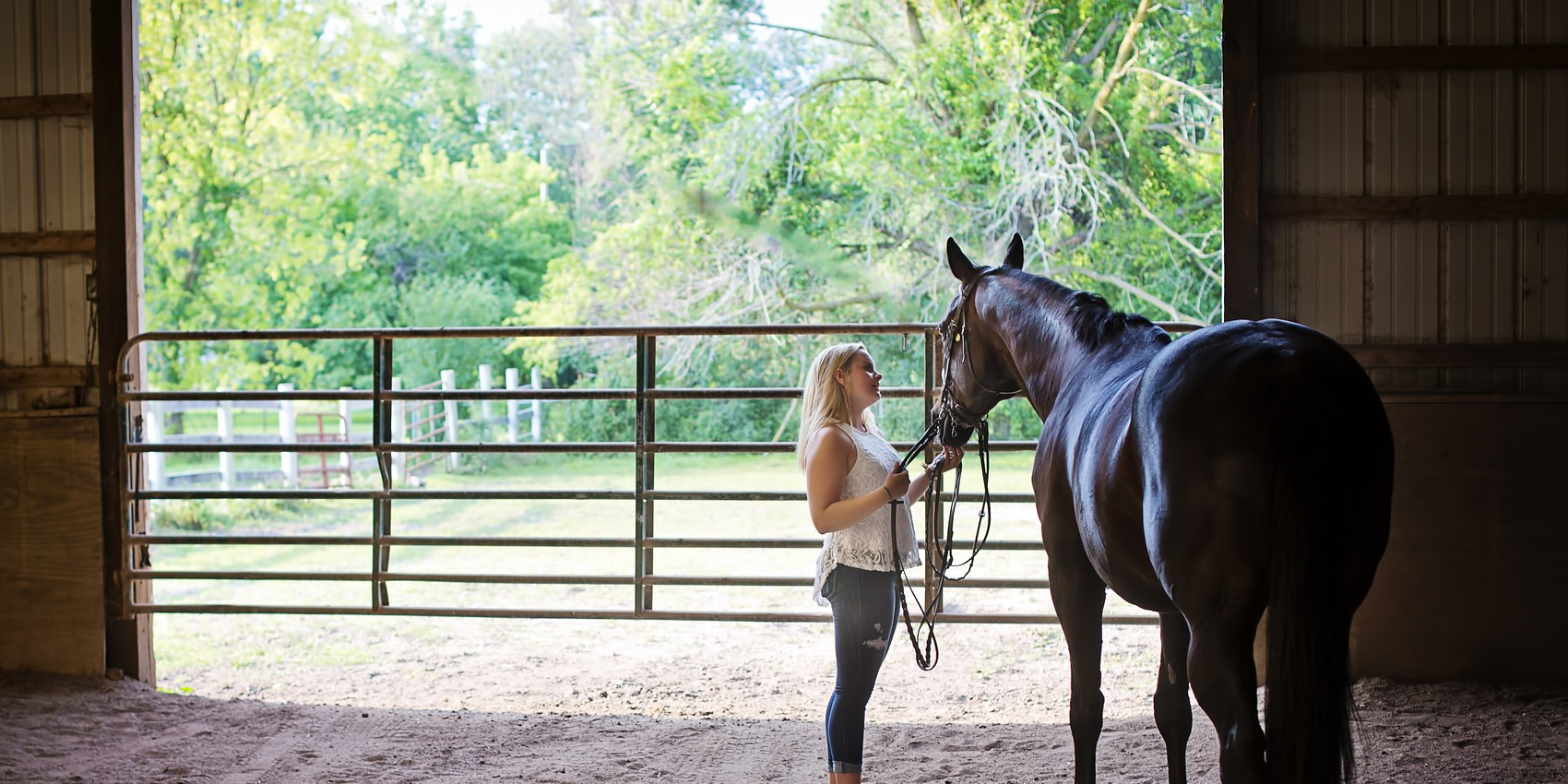
The researchers then documented any attempts the horse made to try to communicate about the hidden carrots. They found that the horses used visual (looking at) and tactile cues (nudging or touching) to get the attention of the caretaker.
The horses used cues more often and more persistently in the trial when the bucket contained carrots, as opposed to the trial when it was empty, indicating that the horses were trying to deliver a specific message.
What’s more, the researchers found that if the caretaker was present when the carrots were placed in the bucket, the horses were less persistent in their cues, indicating that they were adjusting their signals based on their perception of human knowledge of the situation.
Reference: “Domestic horses send signals to humans when they are faced with an unsolvable task,” Animal Cognition, November 2016
This article was originally published in EQUUS #474
Don’t miss out! With the free weekly EQUUS newsletter, you’ll get the latest horse health information delivered right to your in basket! If you’re not already receiving the EQUUS newsletter, click here to sign up. It’s *free*!