

Editor’s Note: This is a fluid situation, with the number and locations of confirmed cases of flesh-eating New World screwworm infestation likely to continue changing on a daily basis. For the most up-to-date information from the U.S .Department of Agriculture, please click here.
The following was posted by the American Horse Council on June 8:
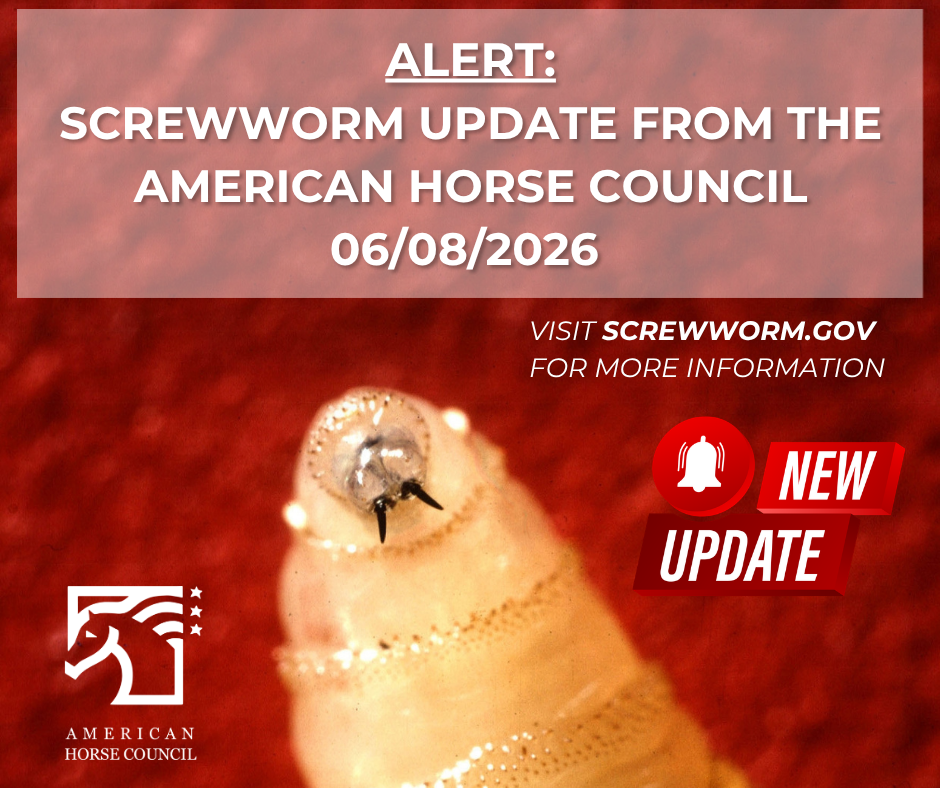
As of June 8, 2026, there have now been multiple New World screwworm detections in Texas, with one being in a county bordering New Mexico [Editor’s Note: The sixth case, which occurred in a dog, has since been confirmed to be located in Lea County, New Mexico, rather than in a Texas county bordering New Mexico. As of this writing, the Texas cases have been primarily in cattle, with one reportedly in a goat or goats.]
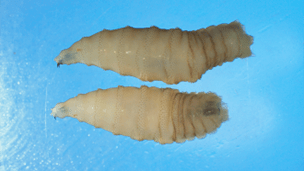
Livestock movement restrictions are in place in Texas, and information can be found here: https://www.tahc.texas.gov/.
Currently, the US-Mexico border is closed to all livestock exports from the US to Mexico for any reason. This includes all horses. All livestock imports from Mexico to the US are still closed as well. Further, Canada is now restricting all imports of any livestock, including horses, from Texas, and prevents any livestock from entering Canda that have resided in or transited Texas in the previous 21 days prior to importation to Canada.
All questions regarding international animal movement as it relates to screwworm can be answered at www.screwworm.gov.
Additional resources
Map of Current Outbreak : https://www.aphis.usda.gov/node/7944/current-status?page=1
Horse Owner Fact Sheet: https://equinediseasecc.org/handler/managedfilehandler.ashx?id=62&ext=pdf
USDA Myth Buster – Facts About NWS : https://www.aphis.usda.gov/sites/default/files/nws-myth-busters.pdf
USDA New World Screwworm Webinar for Animal Industry https://www.youtube.com/watch?v=0ZdBU0mBXKE
About the American Horse Council
The American Horse Council is the trusted voice of the equine industry in Washington, D.C. Its mission is to advocate for the health and welfare of the horse, as well as the economic and legislative interests of the equine industry.