What goes into your horse’s feed bucket matters more than most people realize. From the ingredients on the label to the way a formula is sourced and tested, every detail plays a role in your horse’s health, performance, and longevity. Kristyn Sturken, Equine Nutrition Expert with Sentinel Horse Feeds, shares what to look for and what to look out for when evaluating your options.

Q: When evaluating horse feed options, what are the key characteristics that define a high-quality feed?
The feed tag is a good starting point. It should have several key components clearly listed: a description of the product (including the intended type of horse), a guaranteed analysis, a complete ingredient list, and feeding directions. These details provide some transparency and help you determine whether the feed aligns with your horse’s needs.
A possible indicator of quality is whether the feed tag lists specific ingredients or uses collective / generic terms like “grain products,” “plant products,” or “grain by-products.” The ingredient list and guaranteed analysis also allow you to assess vitamin and mineral levels, starch and sugar content, and whether or not the feed uses more bioavailable organic minerals.
From the ingredient deck, you should also be able to tell if a feed uses specialty ingredients such as probiotics. It’s important not only that these ingredients are included, but that they are backed by guaranteed levels on the tag, ensuring they are present in meaningful amounts.
Q: What are some of the most common ingredients found in horse feeds, and what role do they play in supporting equine health and performance?
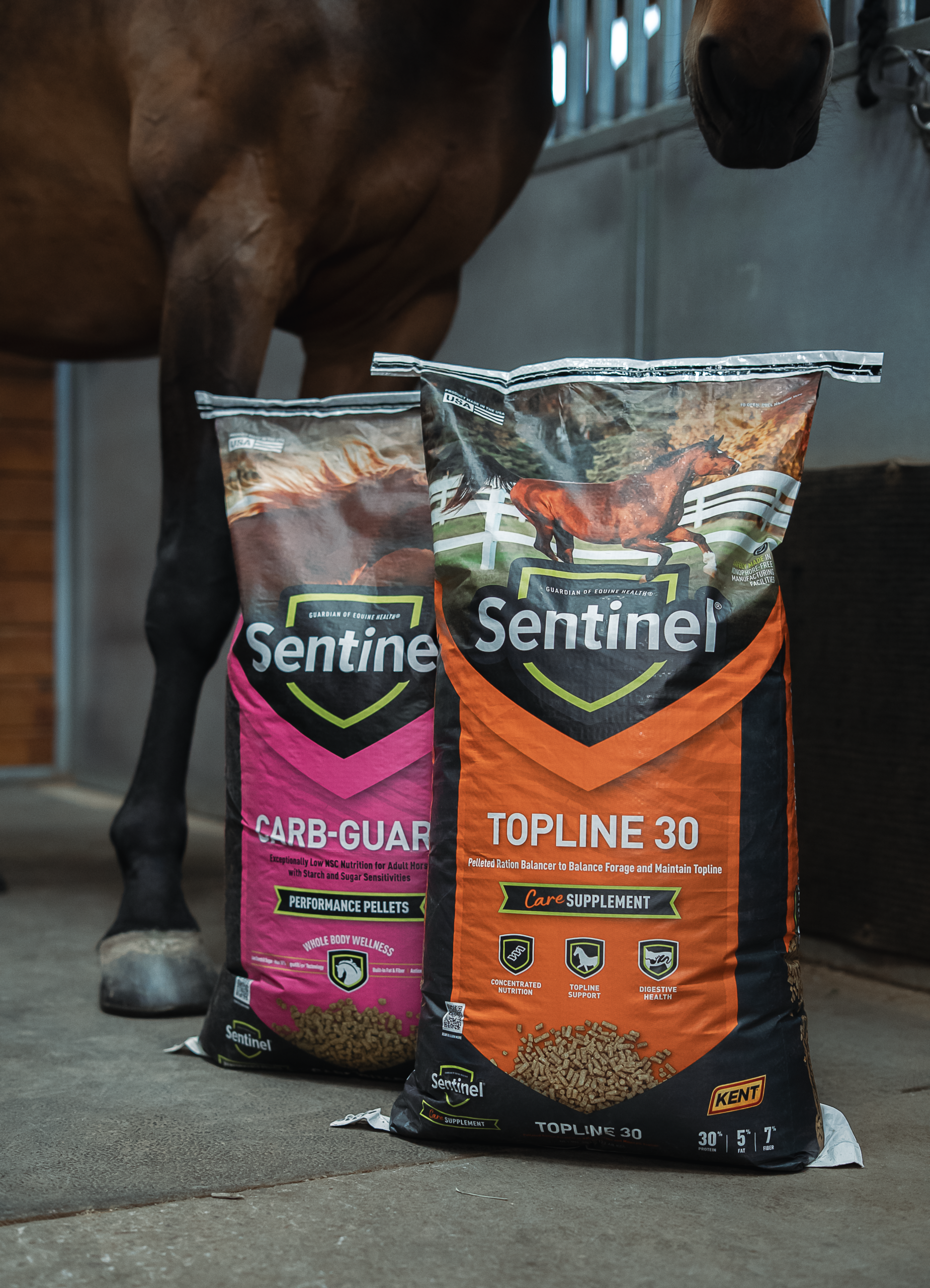
Most quality horse feeds are built around a core set of ingredients, each serving a specific purpose. Alfalfa meal and soybean meal provide protein and key amino acids essential for muscle development and overall health. Soybean hulls and beet pulp are excellent digestible fiber sources that support healthy gut function. Wheat midds contribute both fiber and energy, while corn and barley serve as primary energy sources, particularly for horses with higher caloric demands. Vegetable oil adds fat for sustained energy and coat condition, and molasses improves palatability and provides a quick energy source.
Q: Why is digestible fiber such an important component in a horse’s diet, and what are some quality fiber sources owners should look for on a feed label?
Digestible fiber is one of the most vital components of a horse’s diet, fueling the beneficial microbes in the hindgut, maintaining a healthy digestive tract, and supplying steady, slow-release energy that helps maintain a more consistent blood glucose level.
When reviewing a feed label, look for quality digestible fiber sources listed by name, such as soybean hulls, alfalfa meal, and beet pulp. These are the ingredients that will keep your horse’s digestive tract healthy and functioning at its best.
Q: How can horse owners interpret the guaranteed analysis on a feed label, and which values matter most when choosing a feed?
When looking at a feed label, what matters most depends on your individual horse’s age, activity level, body condition, and health concerns. For specific questions, work with your local feed representative or nutritionist.
As an example:
- Young, growing horses: Key nutrients to evaluate include protein and amino acids, the calcium to phosphorus ratio, and levels of certain trace minerals.
- Hard-working performance horses: Pay close attention to fat and fiber levels, as well as amino acids.
- Horses with starch and sugar sensitivities: Look specifically at dietary starch and sugar content along with fat and fiber levels. Generally, the higher the fat and fiber content, the lower the starch and sugar.
Q: What are some common red flags horse owners should watch for when reviewing an ingredient list on a feed bag?
There are a few red flags to watch for when reviewing a feed label. Start by checking whether key nutrients are missing from the guaranteed analysis, and keep in mind whether those guarantees are minimums or maximums. From there, look at whether minerals are listed as organic or inorganic, as this affects their availability. Group ingredient terms on the label can be an indication of a least-cost formula. Specialty additives like probiotics or omega fatty acids should have the amounts being provided guaranteed on the tag, as that speaks to both the quality and efficacy of the feed.
Q: Why does ingredient sourcing matter in horse feed, and how can sourcing impact quality, consistency, and safety?
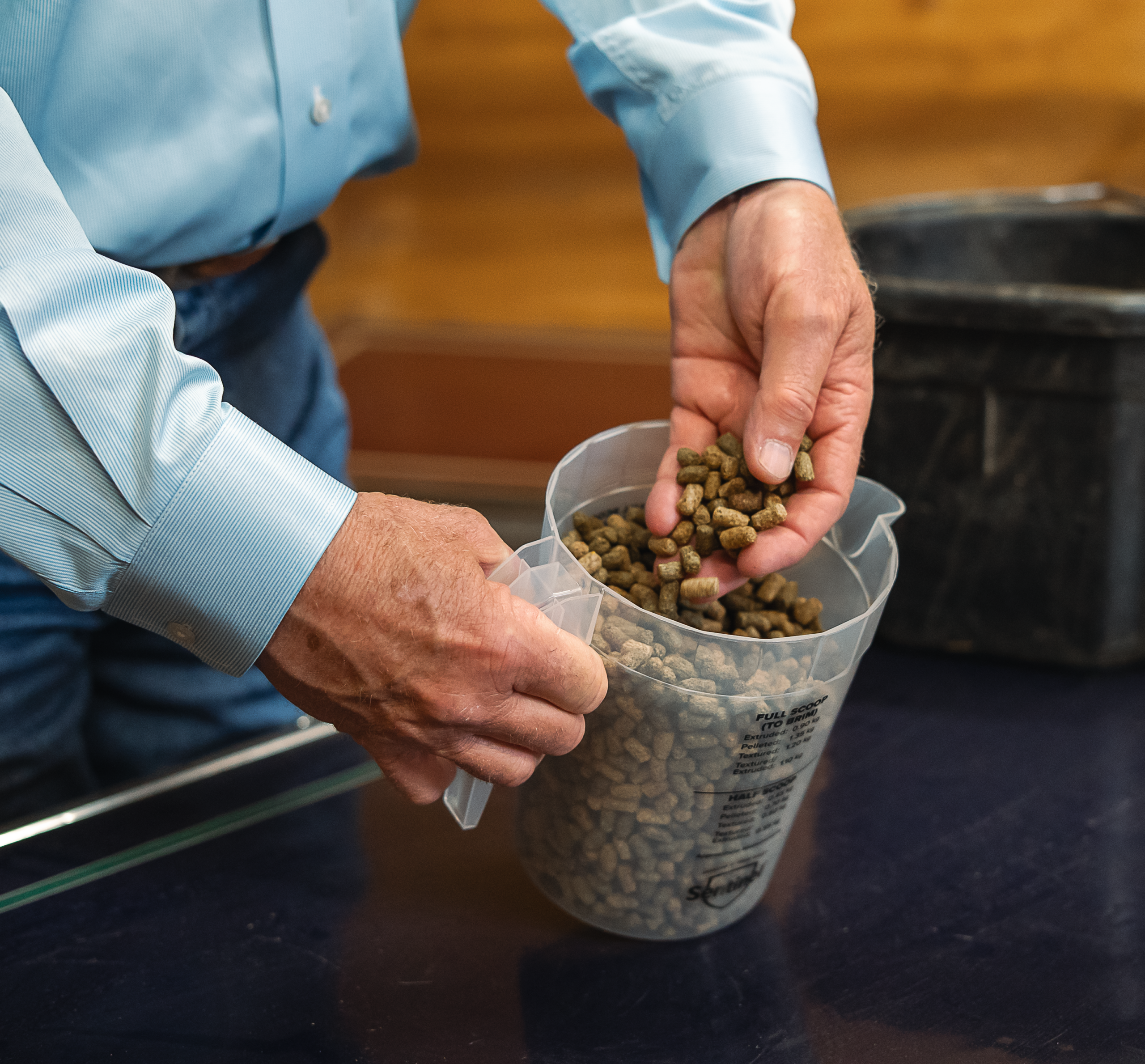
Ingredient sourcing and quality can directly affect nutrient guarantees, levels, and safety. Making sure every ingredient meets defined specifications before it enters the feed is critical to ensuring your horse consistently receives what the tag promises.
Q: How do nutritionists at KENT Nutrition approach feed formulation to ensure horses receive consistent nutrition across different batches and seasons?
KENT Nutrition prioritizes consistency and quality by formulating all Sentinel horse feed products as fixed ingredient formulas. This approach ensures horses receive the same reliable nutrition from batch to batch and bag to bag.
Strict guidelines and parameters are in place for every ingredient used, so the formula remains consistent from one production run to the next. Each ingredient must meet specific nutritional and quality specifications before it is approved for use. In addition, both ingredients and finished feeds are regularly tested to verify they meet these standards.
To shop Sentinel Nutrition CLICK HERE.
Brought to you by: