

What goes into your horse’s feed bucket matters more than most people realize, and that’s especially true once you consider how different every horse’s needs really are. Age, life stage, workload, and even the quality of your hay all shape what a feeding program should look like, and getting it right means looking past the bag and understanding the individual horse in front of you. Kristyn Sturken, Equine Nutrition Expert with Sentinel Horse Feeds, shares how to build a feeding program that actually fits.

Q: Every horse is different, so how should owners approach building a feeding program that’s actually tailored to their individual horse?
Start by looking at the individual horse—its breed, age, activity level, body condition, and whether it has any health challenges. Then, before selecting a feed, evaluate your hay by identifying the type, assessing its quality, and determining how many pounds you are feeding.
If you have an ample supply, getting your hay tested is a great step to ensure you’re meeting your horse’s nutritional needs. For breeding operations with young, growing horses, it’s especially helpful to work with your local feed representative, extension, or feed store.
Q: How does a horse’s age and life stage influence their nutritional requirements, and how should feed choices reflect those changes?
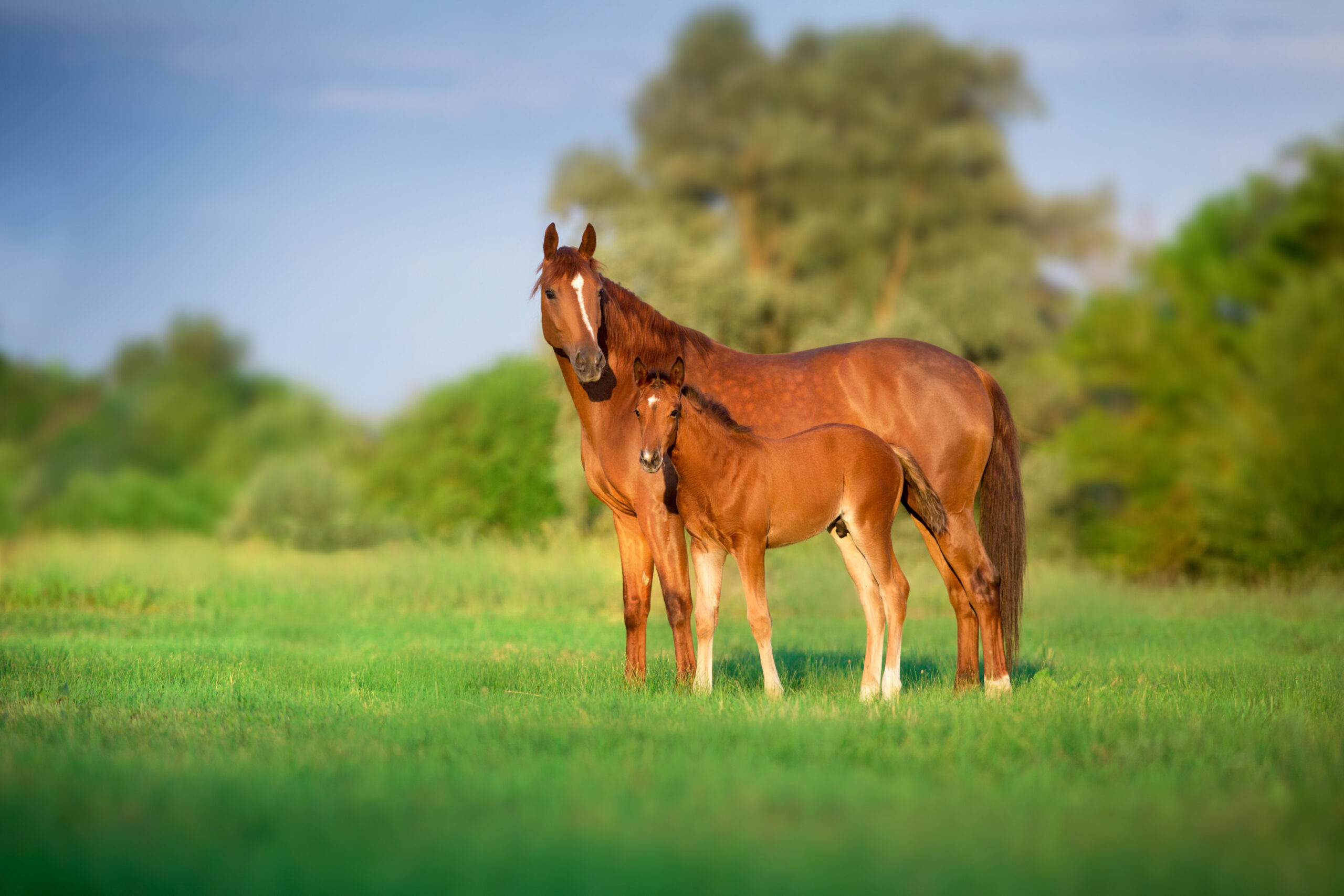
A horse’s nutritional needs change significantly with age and life stage, so feed choices should be adjusted accordingly. Young, growing horses require higher levels of protein and amino acids to support proper growth and development.
Mares in late gestation have increased nutritional demands as the foal is growing rapidly during this stage. Once the foal is born, lactating mares have the highest energy/calorie demands of all horses—even exceeding those of the hardest working performance horses. They need elevated energy intake along with adequate vitamin and mineral supplementation to support milk production and ensure sufficient nutrient transfer to the foal.
Adult horses generally require more moderate levels of protein and energy, but their exact needs still depend on factors like body condition, workload, and again, the quality and amount of forage they’re consuming.
Senior horses may have changing needs as well. Depending on their body condition and ability to maintain weight, they may benefit from increased protein, added fat, or more easily digestible feeds to support overall condition and health.
Choosing a trusted nutrition brand that offers a wide range of complete feed for every age and life stage, such as Sentinel, can help horse owners meet these changing nutritional needs with confidence. Learn more about Sentinel’s complete feed solutions and find the right option for your horse at FeedSentinel.com.
Q: How does a horse’s activity level and workload affect their energy and nutrient needs, and how should that drive feed selection?
A horse’s activity level and type of workload play a major role in determining its energy and nutrient requirements, which should help guide feed selection.
For example, endurance horses performing for long periods of time can benefit from higher fat diets, as fat provides a steady, sustained source of energy that supports stamina. In contrast, high-intensity performance horses, like racehorses or barrel horses, need “quicker” or more readily available energy, which can come from diets with higher starch and sugar levels.
It’s also important to consider the individual horse’s metabolism. Just like people, horses vary—some are easy keepers that maintain weight easily and may require fewer calories, while others are hard keepers that need more energy dense feed to support body condition.
Q: What are the differences between maintenance feed, performance feed, and more specialized feeds?
Maintenance feeds are designed for horses with minimal workloads and generally provide moderate protein (around 12%), low to moderate fat (about 3–5%), and average fiber (roughly 10–12%) to support overall health and body condition.
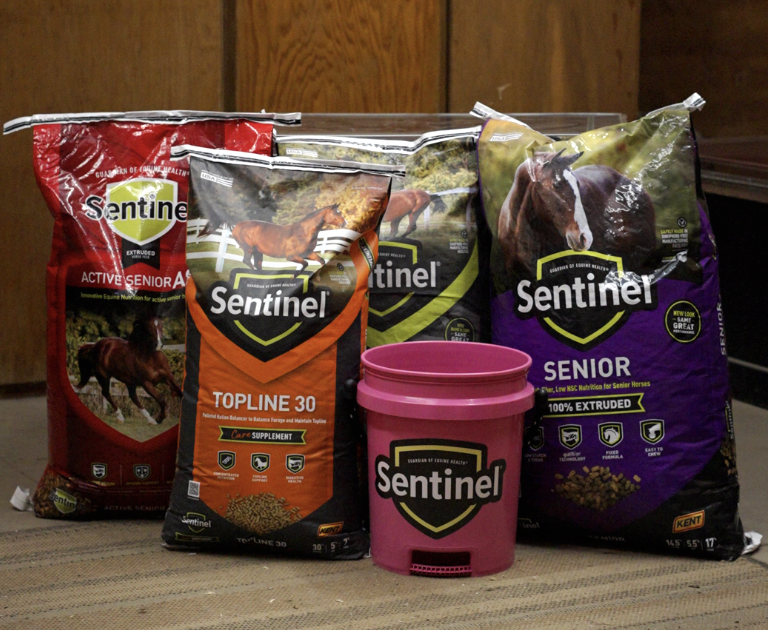
Performance feeds, on the other hand, are formulated for horses in regular to intense work. These will typically contain moderate to higher protein (around 12–14%), higher fat (about 10–12%), and sometimes higher fiber (15%–20%), often from highly fermentable sources like soybean hulls and beet pulp, which provide a good energy source.
Specialized feeds are designed to meet the needs of horses with unique requirements. For example, horses with metabolic conditions may need feeds that are very low in starch and sugar. Horses needing to improve body condition may benefit from high-fat supplements, while easy keepers may require concentrated levels of vitamins and minerals to get the nutrition they need in a low feeding rate.
Q: How do the nutritional needs of easy keepers differ from hard keepers, and how should feeding programs reflect that difference?
Easy keepers require fewer calories to maintain a healthy body condition, so their feeding programs should focus on delivering nutrients without excess energy. Many do well on a ration balancer at a low feeding rate, which provides the essential protein, vitamins and minerals needed for overall health. These balancers, like Sentinel Care Topline 30, are typically high in protein (around 30%), contain concentrated vitamins and minerals , and are fed in small amounts—about 0.75 to 1.5 pounds per 1,000 to 1,100-pound horse.
If an easy keeper needs more than a ration balancer, a “lite” or lower-calorie feed with low to moderate protein and fat can be a good option, such as Sentinel Simply Lite. These feeds have fewer calories but must be fed at about 4 to 5 pounds per day to ensure the horse receives adequate vitamins and minerals. This is where ration balancers or feeds formulated for easy keepers can be especially beneficial.
In contrast, hard keepers require more calories to maintain body condition and often benefit from more energy-dense diets. Feeds higher in fat and good-quality fiber can help provide additional calories without excessive grain, and high-fat supplements can also be useful for supporting weight gain.
Q: What are some signs that a horse’s current feeding program may no longer be meeting their needs, and when should owners consider making a change?
- Unintended weight loss (horse becoming too thin)
- Excess weight gain or obesity
- Poor topline or loss of muscle condition
- Dull haircoat or poor hoof quality
- Decrease energy or lethargy
- Excess energy or excitability
- Noticeable behavioral changes
To shop Sentinel’s full line of horse feeds, CLICK HERE.
Brought to you by: