

1. Have the farrier out regularly.
An unbalanced hoof puts stress on all the joints above it. Whether the result is chronic long toes and low heels or overgrowth, slipshod or infrequent farriery care contributes to the development of arthritis.
A single bad or overdue trim won’t necessarily lead to lameness. Horses are good at compensating in the short term, which can make poor farriery work hard to detect. But the subclinical damage done by hoof imbalances takes a toll on joints, leading to arthritis years down the line.
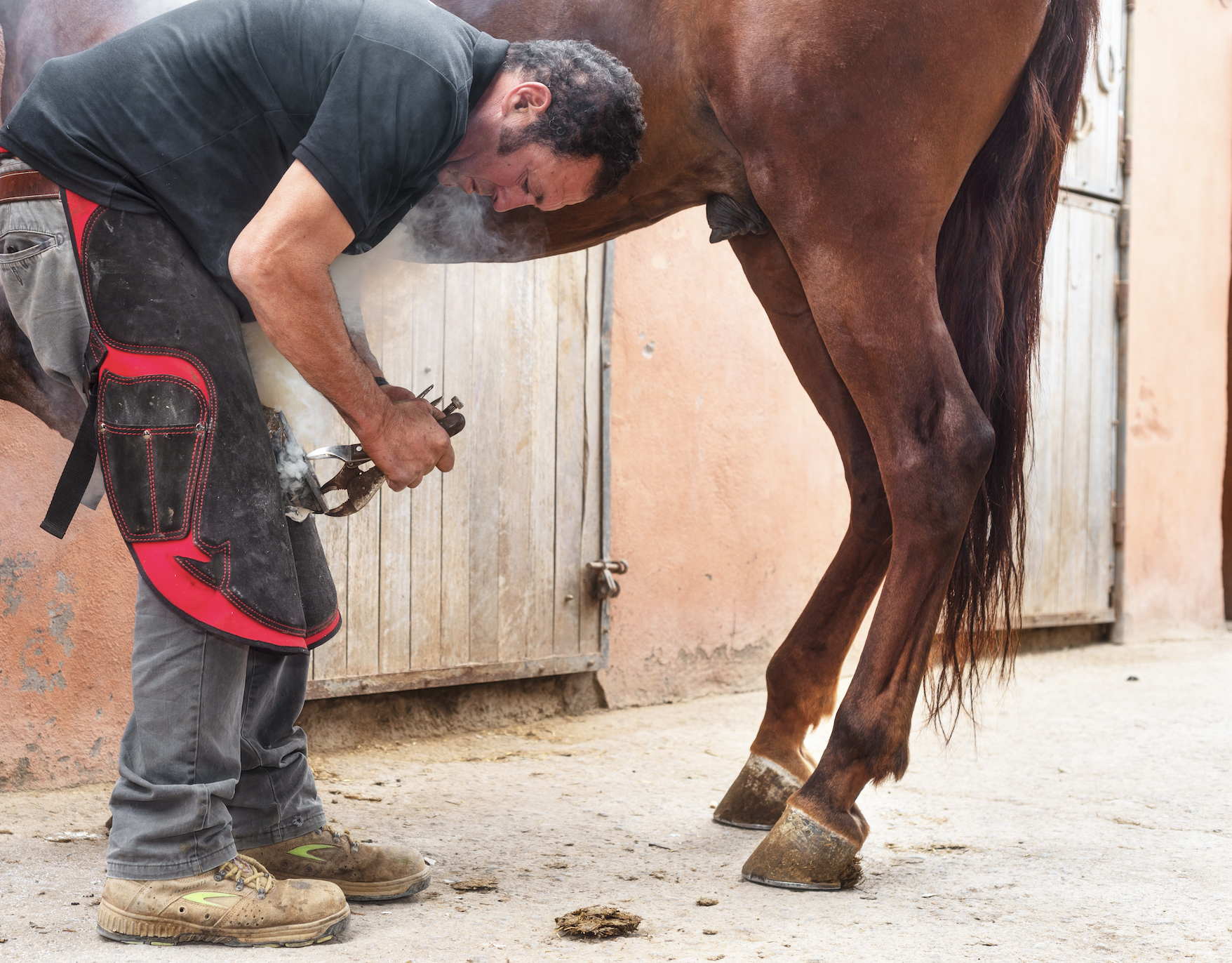
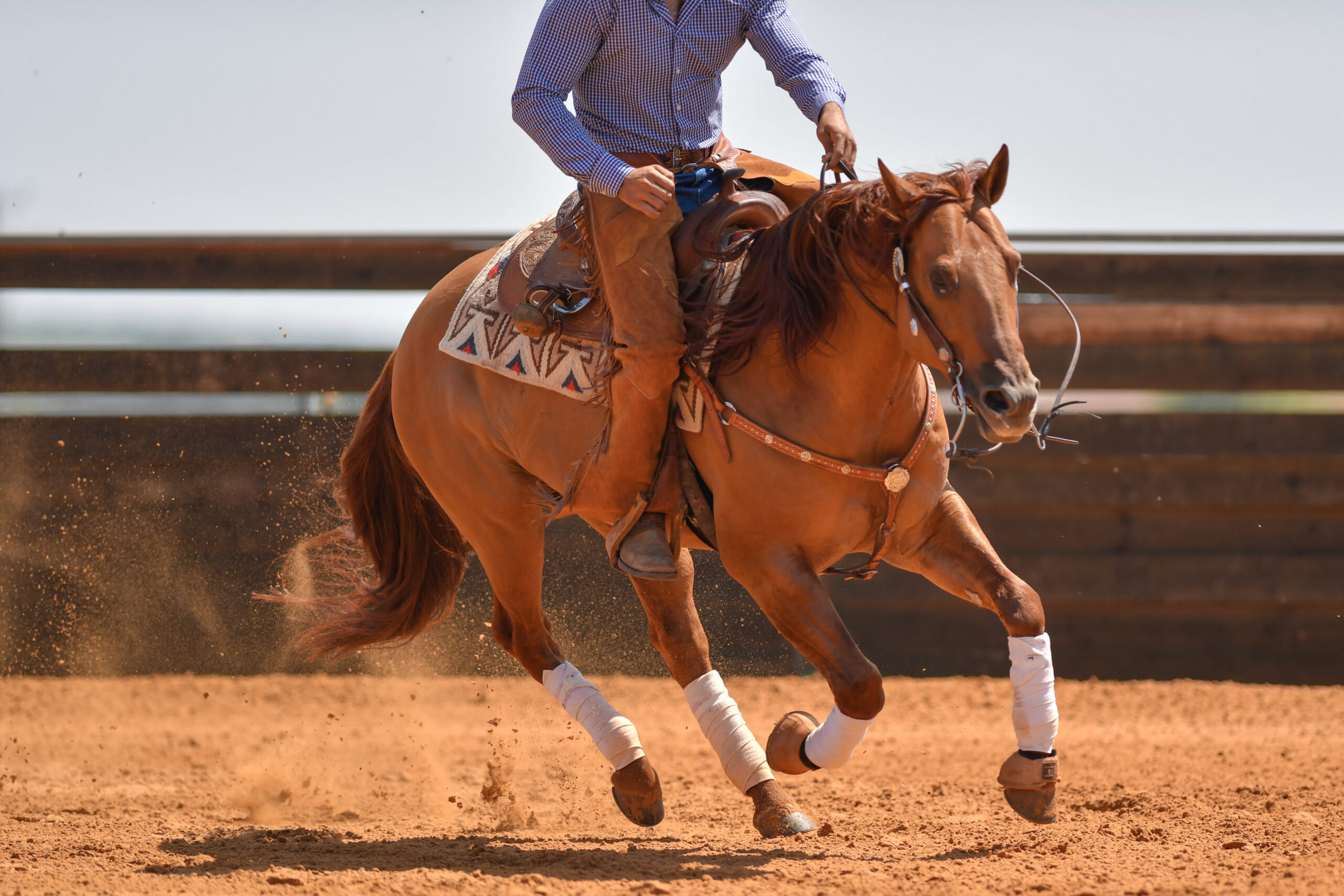
This means that selecting the right farrier is key to preventing arthritis. One smart approach is to ask others who participate in the your sport or activities for recommendations. If you compete in reining, for instance, seek out the shoeing professional who cares for the soundest reining horses in the area. You can also ask your veterinarian for recommendations.
Of course, once you’ve chosen a farrier, it’s imperative to stay on a regular schedule for trimming and shoeing. Waiting until hooves are overgrown to call for an appointment is inviting trouble. Schedule visits at regular intervals, then stick to those dates.
2. Avoid long layoffs, if possible.
Prolonged periods of inactivity can do joints more harm than good. The health and function of joints is directly influenced by the structures that surround and support them, such as tendons, ligaments and muscles. If these structures are weak, the joint may become unstable, leading to arthritis over time. So an out-of-shape horse may not be lame but his lack of fitness is silently stressing his joints. Movement doesn’t just condition supportive soft tissues; it also helps keep joints lubricated by pushing synovial fluid through their spaces.
Of course, a few weeks of relative rest between competition seasons won’t cause a horse to lose enough condition to threaten joint health. However, prolonged periods of inactivity can. It’s not just the lack of movement during these periods that’s problematic, but also the risk of stress and injury when work resumes. It is particularly difficult to bring an older horse back into fitness. And the challenge increases if the horse has a touch of normal, age-related arthritis.
Consistency is important
Commit to keeping your horse active and fit year-round. Keep him on a regular exercise schedule and turn him out with an active herd as much as possible. Also, try to maintain this schedule as he ages, even (and especially) if he does develop arthritis.
Your first instinct may be to leave a stiff or slightly “creaky” horse in his stall to recover. But remember that physical activity is critical to keeping arthritis in check. This doesn’t mean you have to keep an achy horse in a rigorous training program, though.
Regular turnout in a large space with a friendly herd is an important and effective part of managing arthritis‚ and is easy on the horse. If regular turnout isn’t possible, a sensible riding schedule or handwalking is far better for an arthritic horse than standing still.
3. Don’t let your horse get overweight.
Extra pounds take a toll on joints. It doesn’t matter if an obese horse is fit or athletic, or if he “doesn’t do much”—the extra weight an overweight horse must bear with each step multiplies the stresses related to any activity.
Consider the tendency of draft horses to develop the arthritic conditions sidebone and ringbone; the sheer size of these horses makes them susceptible, even if they are not overweight or galloping over cross-country courses. And the more years a horse spends carrying excess weight, the more damage is done. It’s always worthwhile to try to get a horse back to a healthy weight, even in his later years.
When exercise is not enough
Exercise alone may not be enough to keep a horse’s weight in check, particularly if that horse is an “easy keeper.” In such cases, you also need to cut back on the calories he consumes each day. Keep in mind that not all horses need high-calorie concentrates. In fact, good-quality hay alone can provide enough nutrition for many moderately active horses. (If you can’t find good-quality hay, or simply can’t bear the idea of putting nothing in your horse’s feed tub each evening, you may want to feed a “balancer” pellet that provides nutrition without unneeded calories.) Another effective weight-loss strategy for an easy keeper is outfitting him with a grazing muzzle when pastures are lush.
The toll obesity takes
Particularly challenging to manage are out-of-shape, obese horses. You will need to make both dietary changes and increase the horse’s activity level to reduce his weight. But be aware that too much work too soon can lead to injury or stresses that increase the risk of arthritis.
Consider consulting with a trusted trainer and/or your veterinarian. Together you can map out a progressive conditioning program and diet plan that makes sense given your horse’s situation and limitations. Then, as you watch for changes in your horse’s weight, keep an eye out for signs that you’re pushing too hard.
4. Adopt a sensible conditioning program
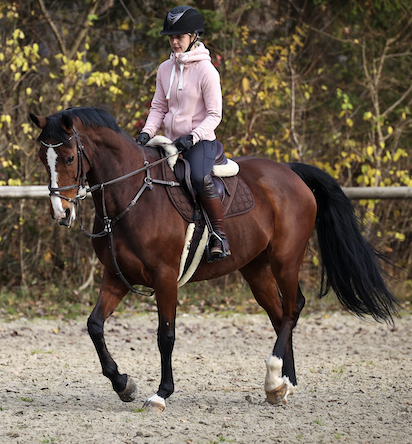
Just as inactivity can contribute to arthritis, so too can too much exercise. Without periodic days of rest, a horse’s body can’t effectively manage the minor inflammatory processes that are a natural consequence of any activity. Continual work escalates the inflammatory cascade, leading to arthritis.
Downtime isn’t too hard to schedule for pleasure horses. A day off after a longer-than-usual trail ride or a weekend of heavy showing is usually feasible. When a horse is in the midst of a serious competitive campaign or works for a living—perhaps as a lesson horse—days off can require some scheduling and compromise. It’s essential to do so, however. During “off” days, turnout in a large space with a friendly companion is ideal for allowing rest while minimizing stiffness.
5. Consider giving your horse a joint-support supplement.
Formulated to maintain the health of joints and connective tissues, joint-support supplements can help reduce inflammation and protect a horse’s soundness. When choosing a joint support product for your horse, look for one that is backed by published scientific research and produced by a reputable company. Your veterinarian can advise you on choosing the best product for your horse’s situation.
Claim your Epiq Animal Health Coupon HERE!
"*" indicates required fields