

A recent study indicates that horse owners’ psychological characteristics, including their attachment styles and personality traits, are systematically linked to how frequently they ride, train and spend quality time with their horses. It may even affect the equipment they choose to use.
The findings offer new insights into how human psychology shapes horse welfare and management.
Attachment theory applies
“Attachment theory,” originally developed to describe emotional bonds between humans, has increasingly been applied to human–animal relationships. The term “attachment style” describes how individuals relate to others emotionally. Those with high avoidant attachment tend to distance themselves emotionally and rely less on others. Those with high anxious attachment tend to seek closeness and fear rejection or abandonment.
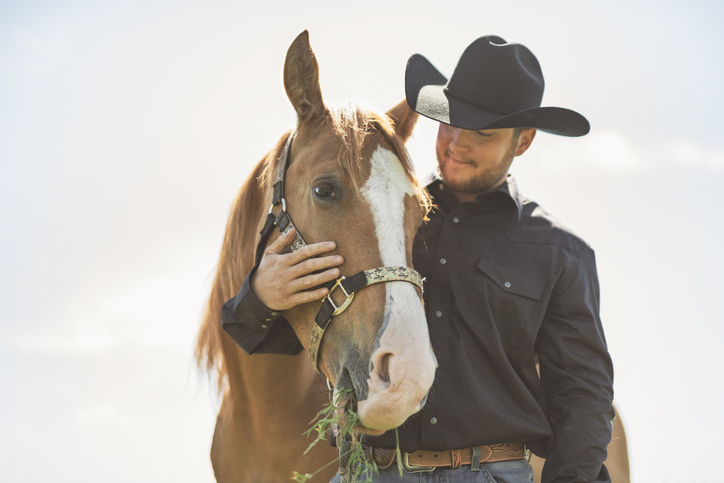
“We were interested in whether these psychological tendencies, which are well-studied in human relationships, would also manifest in how people interact with their horses—and indeed they do,” says lead author of the study, Postdoctoral Researcher Océane Liehrmann from the Department of Biology at the University of Turku, Finland, and the Department of Biosystem and Technology at the Swedish University of Agricultural Sciences, Sweden.
The international research group conducted an online survey, gathering responses from 2,239 horse owners worldwide. The survey assessed their attachment styles using the Horse Attachment Questionnaire (HAQ) validated by the research group, and their personality traits using the Short Five Questionnaire.
Owners reported how often they rode, did groundwork training and spent quality time with their horses. They also noted what type of headgear—bit, bitless, or both—they used.
More emotionally distant owners interact less with their horses
The results showed a clear pattern. Owners who spent more time with their horses, whether riding, training or simply being with them, tended to forge more emotional connections to them. In contrast, owners who kept more emotional distance to their horse also tended to interact with them less frequently, spending less time riding and engaging in hands-on activities.
“This mirrors what has been found in companion animal research, where people with higher avoidant attachment tend to be less attentive and less engaged in caring for their pets. Our findings suggest the same dynamic extends to horse ownership,” notes Liehrmann.
Interestingly, the type of interaction and relationship length also mattered. Owners who regularly spent informal, unstructured quality time with their horses, simply being present with them without a specific training goal, tended to show stronger emotional bonds. Those with longer relationships with their horses showed progressively lower avoidant attachment. And owners who have knows their horses for more than 10 years are about 15 percent less avoidant than those in relationships of less than one year.
Owners’ personalities also played a role in how they engaged with their horses, though differences between groups were subtle. Those who rode more frequently tended to be slightly more organized, outgoing and emotionally stable. In contrast, owners who practiced groundwork more often tended to score higher in openness to new experiences. This may reflect a greater curiosity and willingness to explore non-traditional, horse-centered training methods.
“These are not dramatic differences, but they are consistent and meaningful. Personality shapes the way people approach activities across many domains of life, and equestrian practice appears to be no exception,” Liehrmann explains.
Equipment choice linked to emotional distancing
The study also found subtle links between headgear choice and owner psychology.
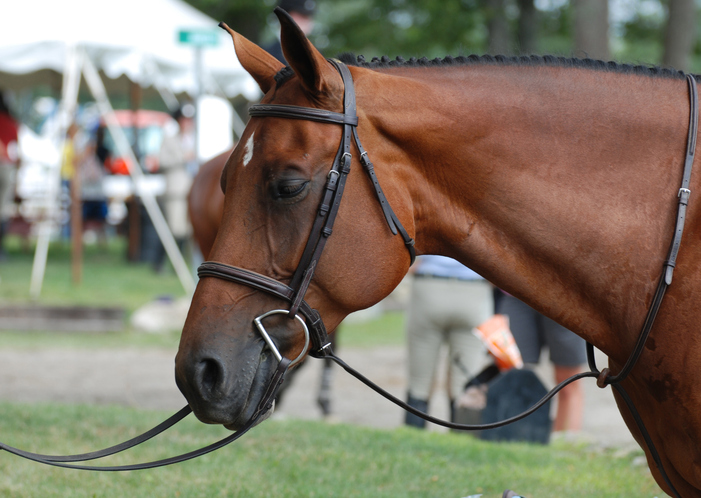
Owners who used bitless equipment or alternated between bit and bitless tended to score slightly lower in emotional distancing than those who rode exclusively with a bit. Owners open to using both types of headgear also tended to score higher in openness to new experiences, suggesting a greater willingness to explore different approaches to riding.
The researchers note that these are modest tendencies, and they occurred across a large group of owners. Many factors shape equipment choice. These include riding discipline, training background and the individual horse’s needs.
Rather than pointing fingers at any particular practice, the findings suggest that reflecting on our own psychological tendencies could be a valuable step toward more conscious, horse-centered decision-making.
Implications for horse welfare and training
The researchers emphasize that even modest psychological differences may be of practical importance when they consistently influence how owners manage and care for their horses over time.
“Understanding the psychological characteristics of horse owners could help tailor training programmes, improve human-horse communication, and ultimately support better horse welfare. Designing tools that give equestrians greater awareness of their own psychological tendencies could be a meaningful step in that direction,” concludes Liehrmann.
To read “Exploring Equestrian Psychology: How Owner Attachment Style and Personality Traits Relate to Training Choices and Relationship Parameters,” published June 11, 2026, in the journal Anthrozoös, click HERE.