

WASHINGTON, DC, JUNE 03, 2026 – The U.S. Department of Agriculture’s (USDA) Animal and Plant Health Inspection Service (APHIS) has confirmed the detection of a New World screwworm (NWS) in a bovine in Zavala County, Texas.
NWS is a serious pest that affects livestock, pets, wildlife, and, less commonly, people and birds. NWS
larvae (maggots) burrow into the flesh of living animals, causing serious damage to livestock and economic losses. [Editor’s Note: In horses, as in other animals, the NSW can cause severe tissue damage and potentially life-threatening infections.]
Affected animal
The affected animal is a 3-week-old calf; larvae were identified in its umbilical area. To date, there have been no further detections.
“All models showed New World Screwworm entering the country in 2025; however … we were able to buy time for this moment. Protecting our livestock industry is a national security issue of the utmost importance, and USDA is wasting no time in taking action,” said Under Secretary for Marketing and Regulatory Programs Dudley Hoskins. “USDA invested heavily in the tools needed to eliminate NWS ever since cases started increasing in Central America and Mexico. The United States has defeated this pest before, and we will do it again.”
NWS Response Playbook
USDA and Texas officials are taking immediate action to contain and eradicate NWS from the United States, following the strategies and actions outlined in the NWS Response Playbook. This includes:
- Forming a unified Incident Command Team with the Texas Animal Health
Commission and deploying response personnel to the area; - Establishing a 20 km infested zone around the detection and implementing
quarantines, movement controls, and surveillance in this area; - Expediting targeted release of sterile NWS flies by immediately deploying
ground release chambers in the area, in addition to the 4 million sterile flies per
week already being released aerially in the area; - Increasing trapping for NWS flies along the border and just outside of the
dispersal area; - Implementing NWS surveillance and management strategies in wildlife; and
- Conducting targeted outreach in the local area.
Additionally, USDA’s National Veterinary Stockpile stands ready to assist, and will provide resources including treatments, equipment and logistics support the response as needed.
USDA will continue to work with state departments of agriculture, animal health officials, industry and producers to mitigate economic impacts of restrictions as much as possible, including negotiating with our trading partners to regionalize any trade restrictions on live animals, limiting them to defined geographic areas.
Check pets and livestock
NWS maggots can infest livestock and other warm-blooded animals, including, in rare cases, people. They most often enter an animal through an open wound and feed on the animal’s living flesh.
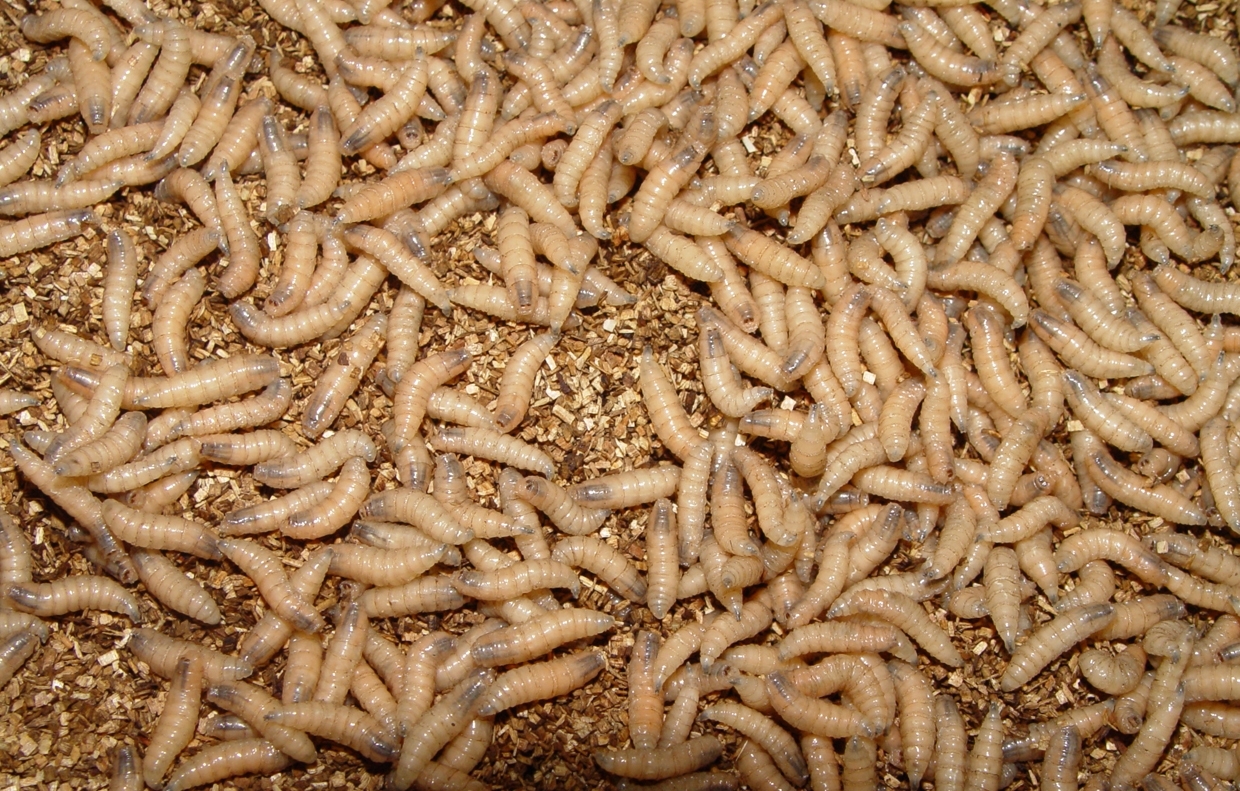
USDA urges residents in the area to check their pets and livestock for signs of NWS. Look for draining or enlarging wounds and signs of discomfort. Also look for screwworm larvae (maggots) and eggs in or around body openings, such as the nose, ears and genitalia or the navel of newborn animals. If you suspect your animal is infected with screwworm, contact your state animal health official or USDA area veterinarian in charge immediately.
While not common in people, if you notice a suspicious lesion on your body or suspect you may have contracted screwworm, seek immediate medical attention.
Safety of food supply
The U.S. food supply is safe. Screwworms do not infest meat, fruits, vegetables or other food sources. USDA’s Food Safety and Inspection Service (FSIS) ensures that the nation’s commercial supply of meat, poultry and egg products is safe and properly labeled. Under the Federal Meat Inspection Act (FMIA), FSIS inspection
personnel must inspect all eligible animal species unless they are exempt or covered by a state inspection program.
Any evidence of screwworm infestation in an animal would be identified during these inspections, and any contaminated product from an affected animal would not be allowed to enter the food supply.
Unified response pays off
For more than a year, USDA has led a unified response to NWS. As the lead coordinating agency, USDA has deployed advanced surveillance systems and supported robust cross-border response efforts in Mexico and Central America to combat the pest and push NWS away from the United States. These efforts have
bought time for USDA to increase domestic preparedness efforts.
Learn more about New World screwworm at Screwworm.gov.
Landing page image: Adobe Stock via USDA website