

Last year, U.S. Army officials began considering the acquisition of the 149-acre Middleburg Training Center in Loudoun County, Virginia. The intended purpose: “… to support the well-being and training of the horses of the Caisson Detachment, part of the 3rd U.S. Infantry Regiment (The Old Guard),” the U.S. Army Corps of Engineers noted on its Baltimore District website.
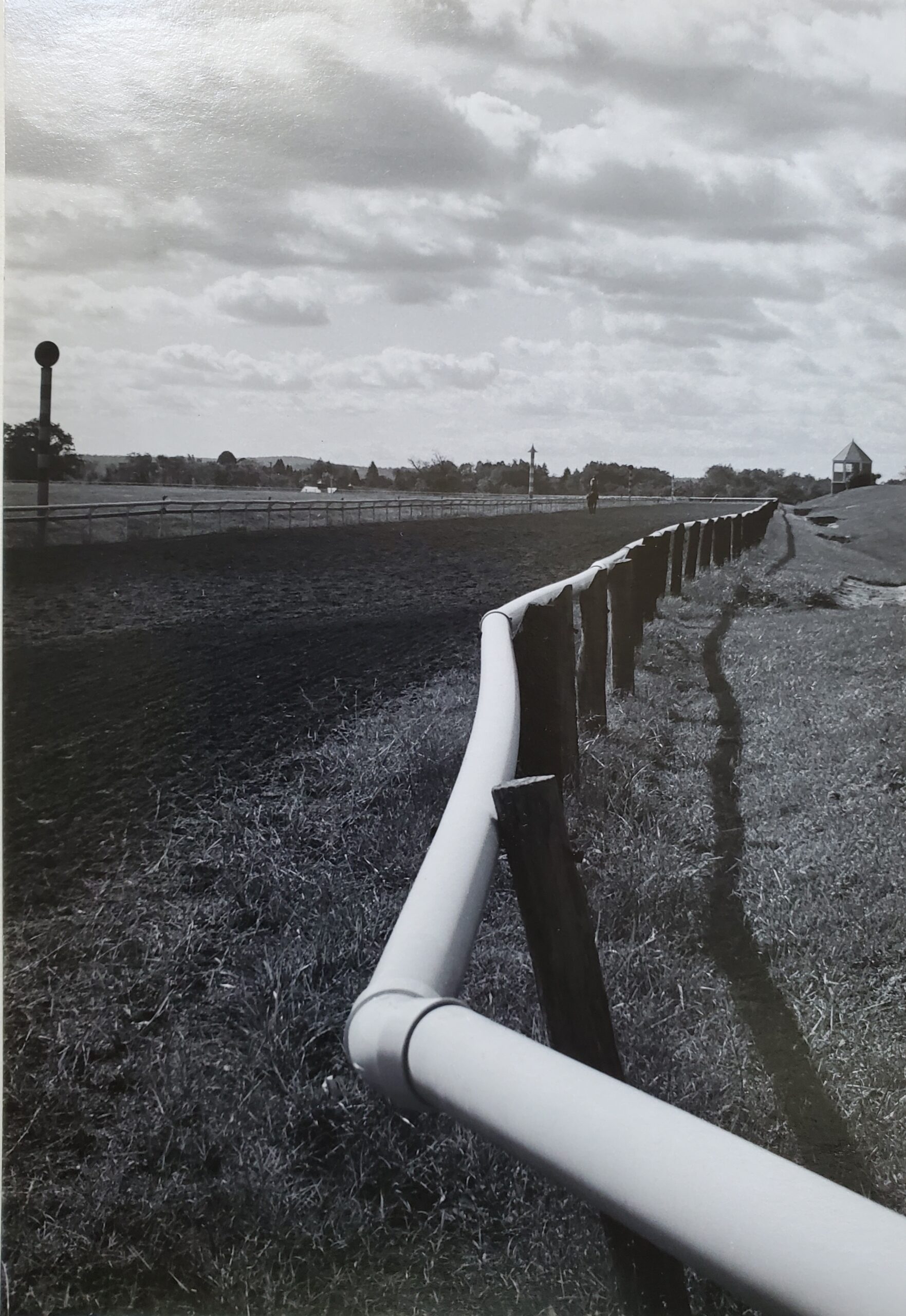
A Virginia Hunt Country institution built in 1956 by the late philanthropist Paul Mellon, the training center is used by many professionals prepping Thoroughbreds for racing careers. Among the facility’s more famous alumni was 1979 Kentucky Derby and Preakness winner Spectacular Bid, who got his start there.
As an advocate for Virginia’s horse racing industry, the Virginia Equine Alliance (VEA) has been key among several groups looking to block the sale and secure the property’s continued future as a Thoroughbred training facility. However, the organization reported in an April 29 social media post that its own attempts to negotiate terms to purchase the Middleburg Training Center had been unsuccessful. In the same post, VEA officers said they had been informed that the facility’s owner, Charles “Chuck” Kuhn, had accepted an Army offer to buy the property.
As of this writing (May 1), the contract had not yet been finalized, with Kuhn reportedly still in discussions with the Department of Defense about terms.
Local reactions
Reactions from local horsemen to the prospect of the Middleburg Training track being sold to the Army have been mixed at best. While most agree that the caisson horses deserve a good home, they note that the Middleburg Training Center was built for racehorses, and many professionals rely on it to prep their Thoroughbreds for the track.
Its sale for other purposes would constitute a major blow to the Virginia Thoroughbred industry, some contend, also citing potential impact on local jobs and the local economy.
Lack of adequate acreage
Since 2022, when the deaths of two of its horses prompted a pause on the caisson program, the Army has been working to improve conditions for the hard-working animals of “The Old Guard.” This prestigious unit has been providing horse-drawn caisson services for military funerals at Virginia’s Arlington National Cemetery since 1948.
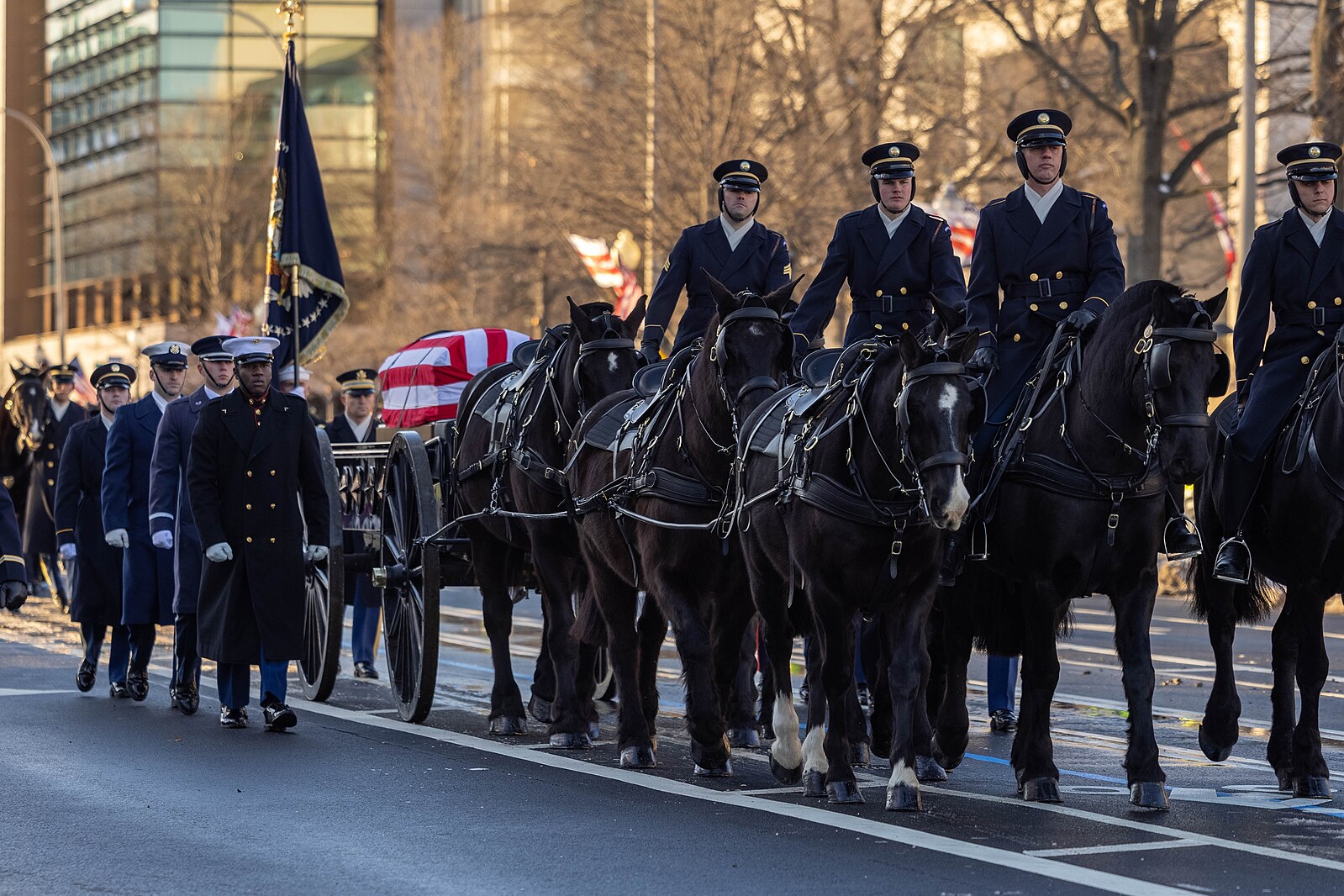
Among the problems officials sought to address as they overhauled the program was the lack of adequate acreage for the caisson horses. According to the Old Guard’s website, only seven total acres of grazing area were originally available between the stables on Fort Myer and a turnout pasture on Fort Belvoir.
The Army reportedly solved this problem for the short term by leasing space at the NOVA Equestrian Center in Aldie, Virginia. From there, the horses have likely been rotated to Joint Base Myer-Henderson Hall as needed while the Army searched for a larger, more permanent place to keep them.
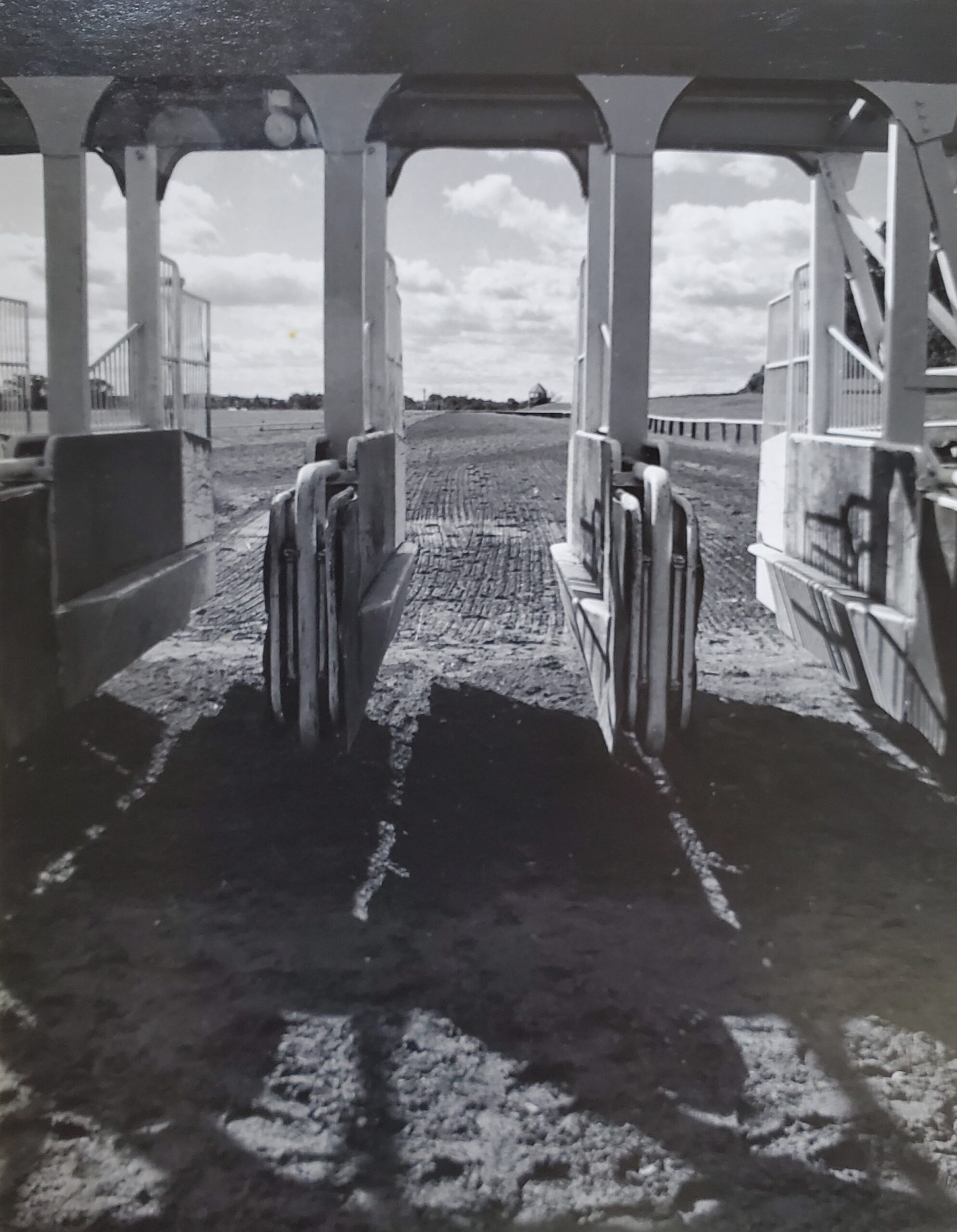
Early this year, word started circulating that the Army had expressed interest in purchasing the Middleburg Training Center for this purpose. The facility features 11 barns, 220 stalls, 40 paddocks and a 7/8-mile track, all within reasonable proximity to the Arlington/DC area.
VEA statement
The VEA’s update was posted in the form of a statement dated April 30 that reads as follows:
“As many of you are aware, the Virginia Equine Alliance (VEA), in collaboration with other stakeholders in Virginia’s horse community, has been working diligently since our meeting at Buchanan Hall [in Upperville, Virginia] to secure the necessary funding to purchase the Middleburg Training Center for the benefit of the industry.
“Unfortunately, on April 8th, Mr. Kuhn and the VEA could not agree on the terms to purchase the property. During a conversation with Army leadership this week, we were informed that Mr. Kuhn has accepted the U.S. Army’s offer to purchase the training center. Mr. Kuhn and the Army Corps of Engineers are currently finalizing the details prior to signing the contract.
“We were also advised that there will be approximately a one-year lag time before any Caisson horses are relocated to the facility.
Effect on industry
“While the VEA and the broader Virginia horse industry fully support the U.S. Army and want the Caisson horses to have the best possible home, the acquisition of the Middleburg Training Center by the Army will have a significant negative impact on Virginia’s Thoroughbred racing and training industry,” the update continues. “Northern Virginia currently does not have another comparable Thoroughbred training facility with a regulation track capable of housing over 200 horses in training.
“The loss of this facility will likely result in many of the trainers relocating their operations to other states. Additionally, since 2018, more than 15% of the horses enrolled in the Virginia Certified program received their early training at Middleburg Training Center. This represents approximately 1,000 horses and an estimated annual economic benefit to the local community of over $2 million.
“Virginia is one of the few states in the country where the racing industry is actually growing and the loss of the year-round training facility will be detrimental to that growth.
“With its selection of the Middleburg Training Center, the Army will acquire a facility that includes substantial infrastructure the Caisson program will not need or utilize for the approximately 80 horses it plans to house there.
“The VEA remains in regular contact with Army leadership, who have been highly responsive and have committed to meaningful community outreach following the acquisition. Joint use of the property has been discussed and will be pursued; however, both the local community and Virginia’s horse industry would benefit significantly if we could secure an alternative site that more precisely meets the Caisson program’s specific needs.”
About the Virginia Equine Alliance
Based in Warrenton, Virginia, the Virginia Equine Alliance (VEA) is a non-profit, 501(c)6 organization. It is comprised of the Virginia Harness Horse Association (VHHA), the Virginia Horsemen’s Benevolent & Protective Association, the Virginia Gold Cup Association and the Virginia Thoroughbred Association.
The purpose of the VEA is to sustain, promote and expand the horse breeding and horse racing industries in Virginia. It seeks to establish and support new and multiple venues for horse racing and to advocate and support legislation, regulations and rules beneficial to the breeders and owners and trainers of horses. The VEA represents the interests of horsemen at meetings of the Virginia General Assembly, the Virginia Department of Agriculture, the Virginia Racing Commission, racing associations, breeder’s organizations, horsemen’s organizations and other like groups. The VEA has committed to increasing public awareness of the economic and environmental importance to the Commonwealth of the horse breeding and the horse racing industries.
Landing page image of the Middleburg Training Center from the US Army Corps of Engineers Baltimore District website