

Straw
PROS: widely available, aesthetically pleasing
CONS: can be prone to mold if harvested or stored improperly; horses may try to eat it; not very absorbent
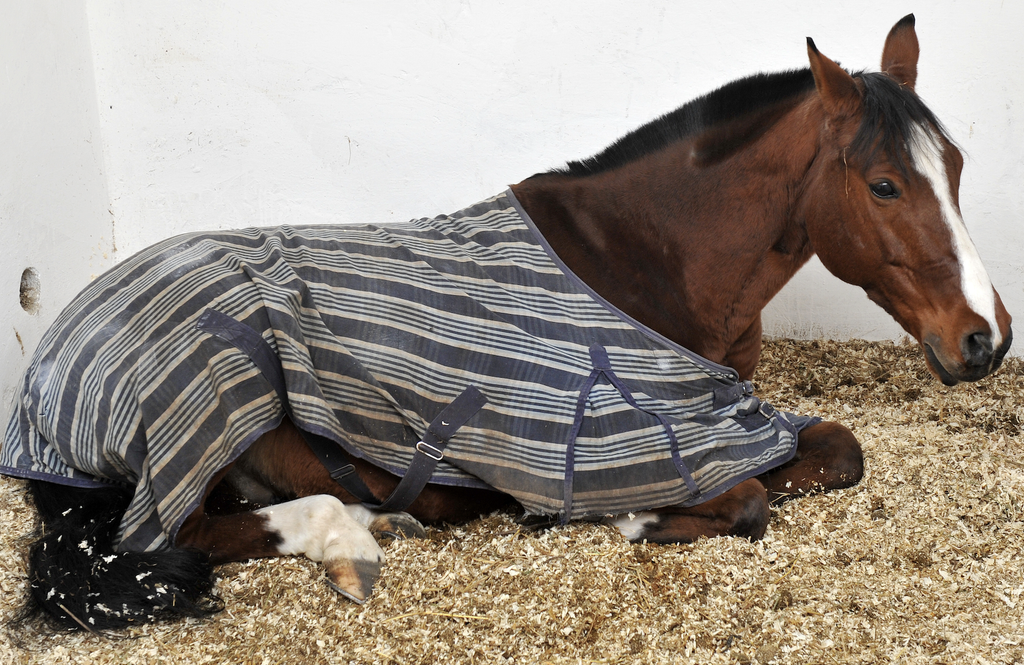
Wood products
PROS: widely available; more absorbent than straw
CONS: can be dusty; certain types of wood can cause allergic reactions; price can vary depending on local
economic conditions
(Note: Avoid Black walnut shavings and wood products, which are highly toxic to horses and other animals)
Paper products
PROS: absorbent; unpalatable to horses
CONS: may require more frequent mucking; difficult to move with a wheelbarrow
Peat moss
PROS: highly absorbent; low palatability for horses
CONS: expensive; difficult to find in the necessary quantities
Sand
PROS: easy to clean
CONS: not absorbent; can make a horse’s coat gritty; not soft; need to feed hay out of racks or pans to reduce ingestion of sand
Hulls, shells and shives
PROS: economical where available
CONS: not absorbent; can be hard to find