

Sponsored by Smart Equine
Summer is finally here in all its sun-drenched glory. We’re betting you can’t wait to hit the trail or the show ring!
Unfortunately, as much as we love the warmer weather and more relaxed schedules, this season can be hard on our horses. That’s especially true when it comes to those pesky flying insects. More than a nuisance, they can spread disease, irritate skin and stress horses without mercy.
But fear not: We’ve got some practical tips to ensure your horse will not only survive fly season but thrive.
A safe, layered approach
By now you’re probably aware that when it comes to managing flies, mosquitoes and the like, you need multiple weapons in your arsenal. A carefully layered approach is also crucial. Because let’s face it: You can only apply so much fly spray before it stops working, starts causing skin irritation and becomes a waste of money.
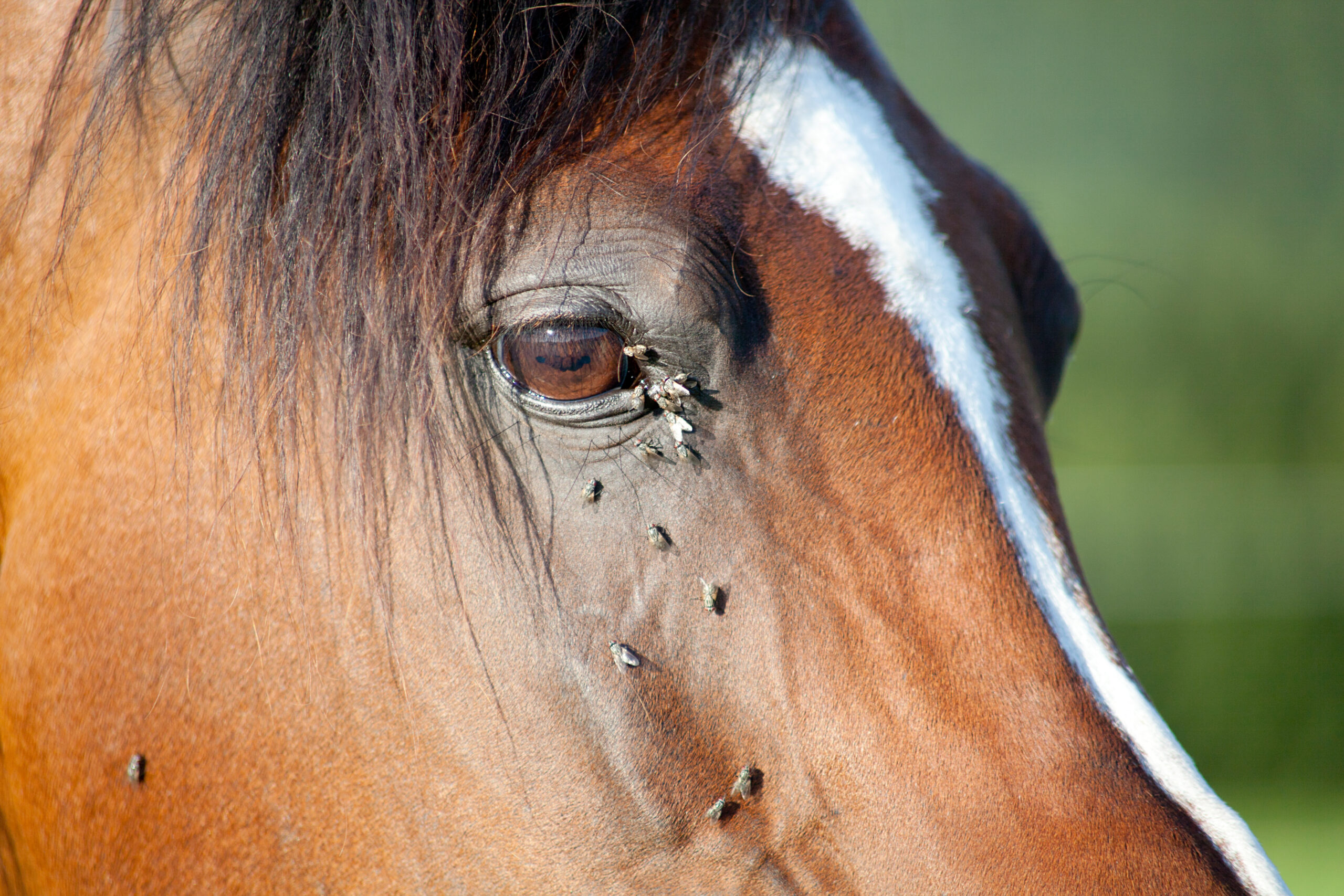
The first step in any effective fly control program is to know your enemy. In other words, identify the species of flying insects with which you are dealing (your local cooperative extension can often help). Then review your program annually with an eye to targeting only those species that are in your barn and adapting to any changes in bug populations. Not only can this help save money and aggravation, but it’s also better for you, your horses and the environment.
Next, it’s best to overlap a number of time-tested fly control methods. When planning your program, consider the type of insects you’re battling, the stages of their lifecycles, and the equine body parts you want to protect.
Proven methods
Here’s a list of proven methods that, when applied appropriately and used in conjunction with each other, will help foil flies:
Maximize your horse’s natural defenses by keeping his tail long and loose, and his forelock untrimmed. Turnout with a buddy can also help both horses, as they will often stand head-to-tail alongside each other and swish flies from each other’s faces. And that big mud puddle in their paddock? That’s a keeper, because a good roll in the mud can relieve the sting of bug bites.
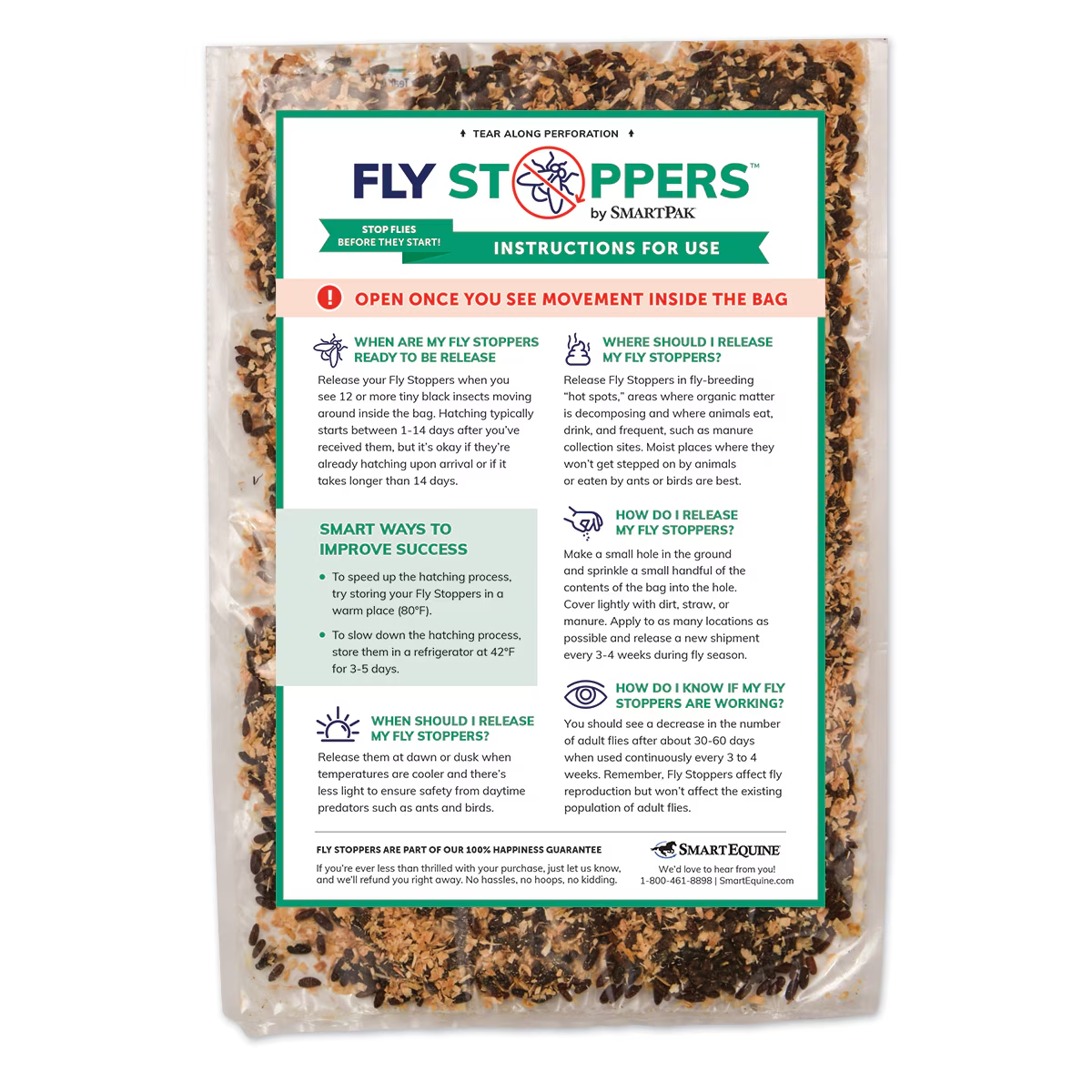
Consider the use of ‘beneficial bugs’ (fly parasites). Starting in spring, the systematic release of parasitic wasps and nematodes (which don’t sting horses, people or pets) are a chemical-free way to support your fly control program. Sprinkled near manure piles and breeding “hot spots” throughout the season, “beneficial bugs” will help neutralize flies before they have a chance to hatch.
Barn and shelter modifications such as fans, shade tarps or screen strips can lower interior temperatures and help create fly-free zones wherever horses spend a lot of time. When possible, it’s also wise to schedule your horses’ turnout to coincide with the periods of the day or night when flies, gnats and mosquitoes are least active.
Fly control supplements can be a useful tool in your fight against flies. Some feed-though supplements are formulated with Insect Growth Regulators (IGRs), which are designed to interfere with fly larvae development in manure, preventing them from maturing into adults.
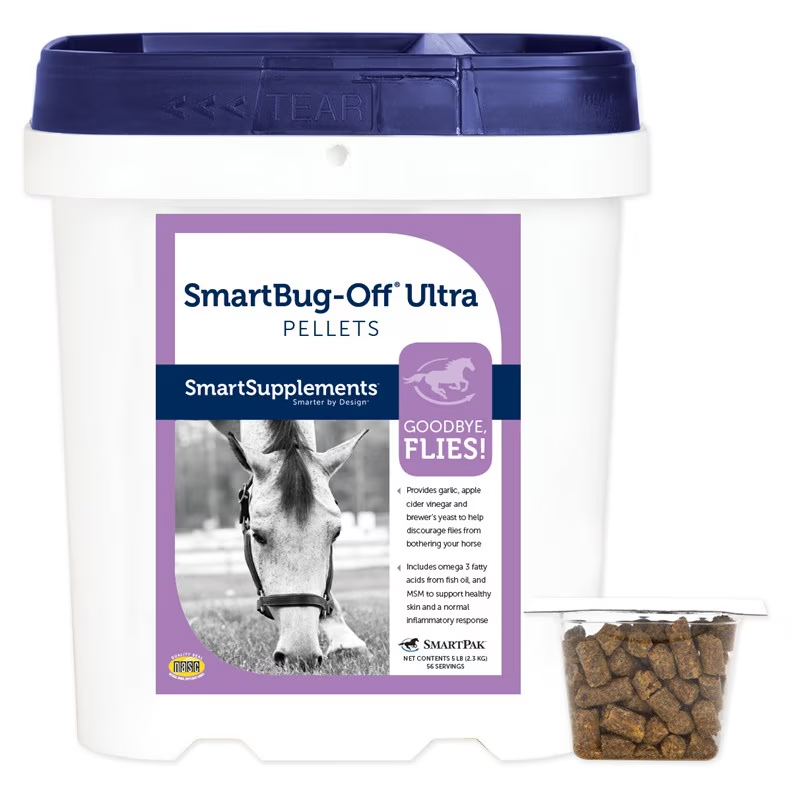
For a more natural approach, look for feed supplements formulated with fly-deterring ingredients like garlic, apple cider vinegar or brewer’s yeast. Some supplements even incorporate ingredients like diatomaceous earth to discourage the breeding of insects in manure, and/or ingredients like Omega-3s or MSM to promote healthy skin and a normal inflammatory response. Bonus points for sugar-free formulas!
And don’t forget …
Fly sprays and/or top-spots are old standbys one can never be without in summer. That said, they are best applied judiciously in conjunction with physical barriers (see below) rather than relied upon as your only solution.
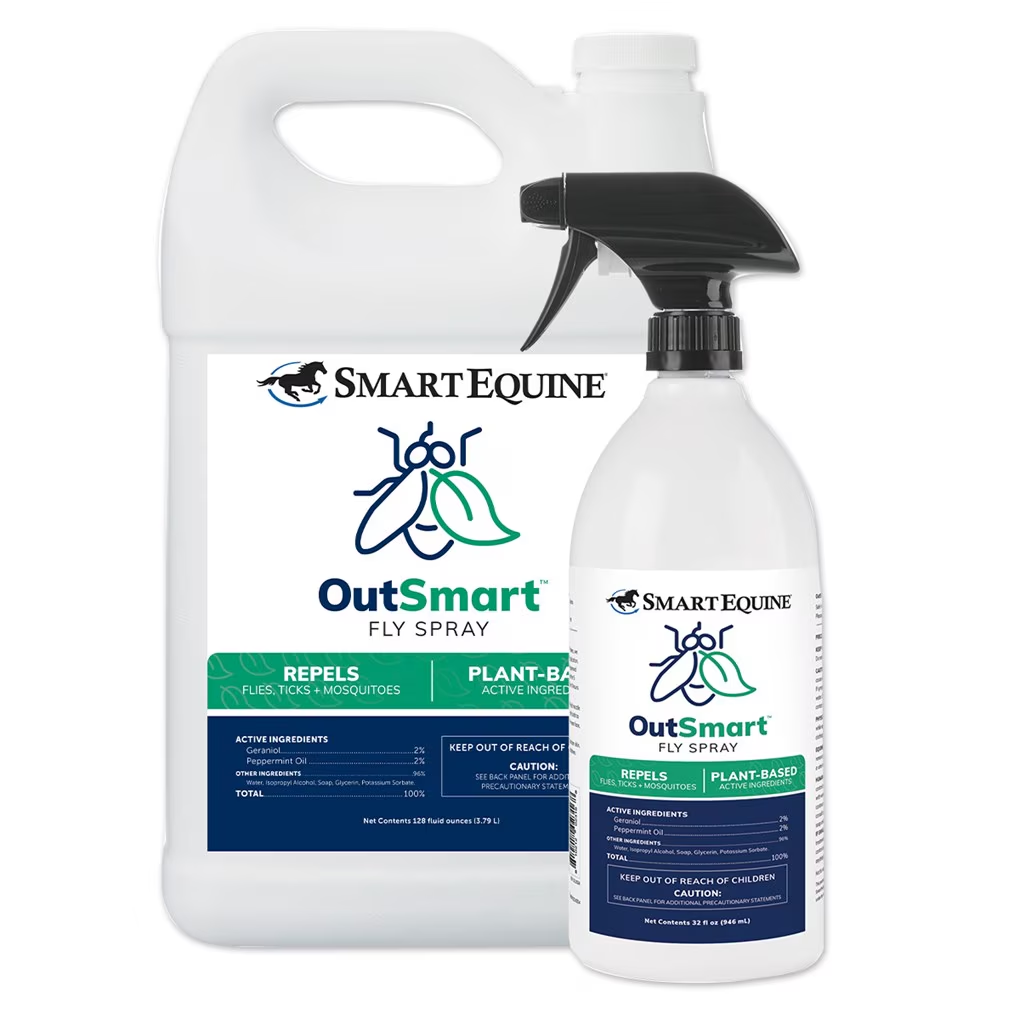
When shopping for sprays and topicals, keep in mind that there are two different classes of product: Insecticides, which kill the bugs; and repellents, which deter bugs but do not kill them. Both have their appropriate uses. In addition, oil-based sprays and topicals tend to last longer than water-based products; however, they can leave a sticky residue.
For an eco-friendly option—which horses sensitive to chemical-based formulas will appreciate—check out the latest generation of natural, plant-based fly repellents made with essential oils. You might like the fresher scent, and some even contain coat conditioners!
Last but not least
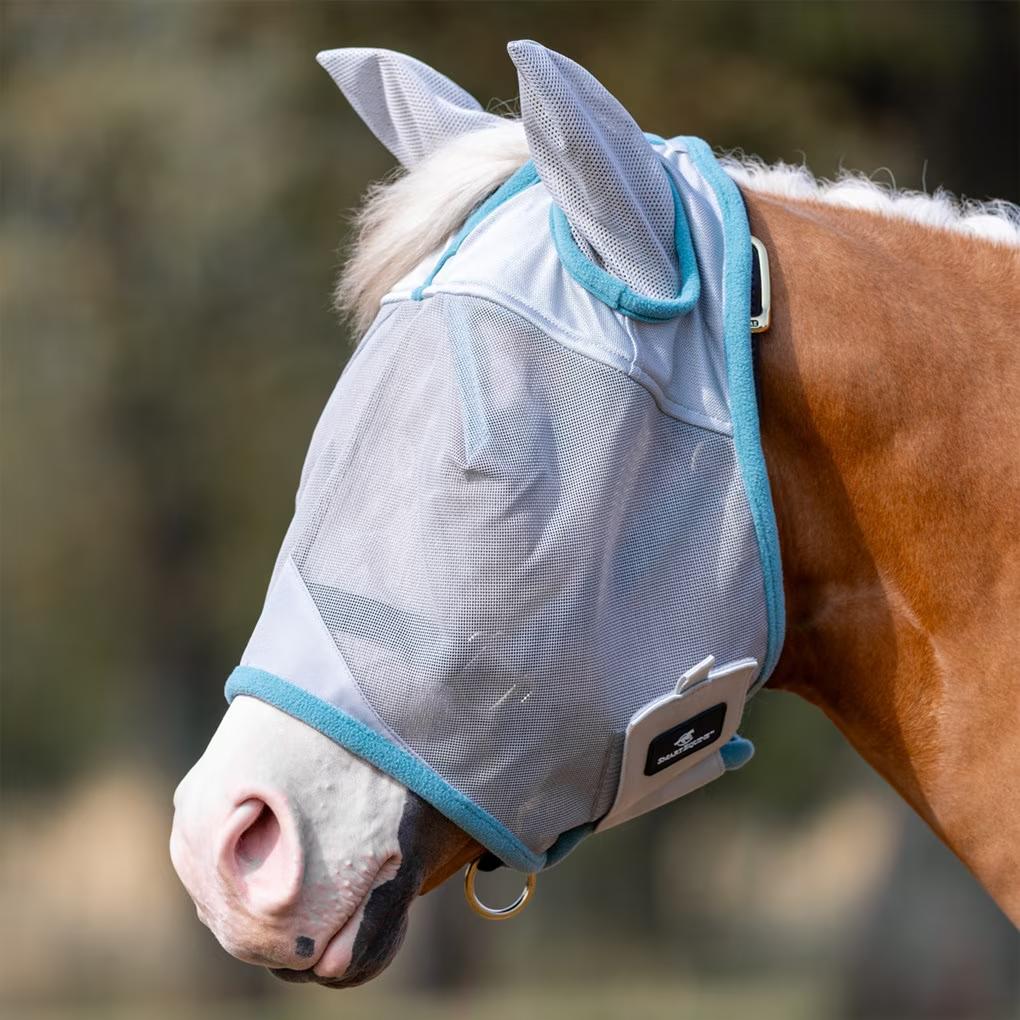
Physical barriers (aka “fly gear”) such as fly masks, fly sheets and even fly boots act like armor in the battle against the bugs. As with any type of garment your horse will wear for extended periods, proper fit is essential.
- Fly masks are a practical and affordable addition to any equine wardrobe. Their purpose, of course, is to shield a horse’s eyes from flies attracted to tears. Durable PVC mesh is a nice feature, at it helps the mask retain its shape. Look for styles with enhanced UV blocking to protect both eyes and delicate facial skin from the sun’s damaging rays. You’ll also want generous eye darts with plenty of eyelash clearance, roomy ear covers and comfy fleece edging to reduce rubbing.
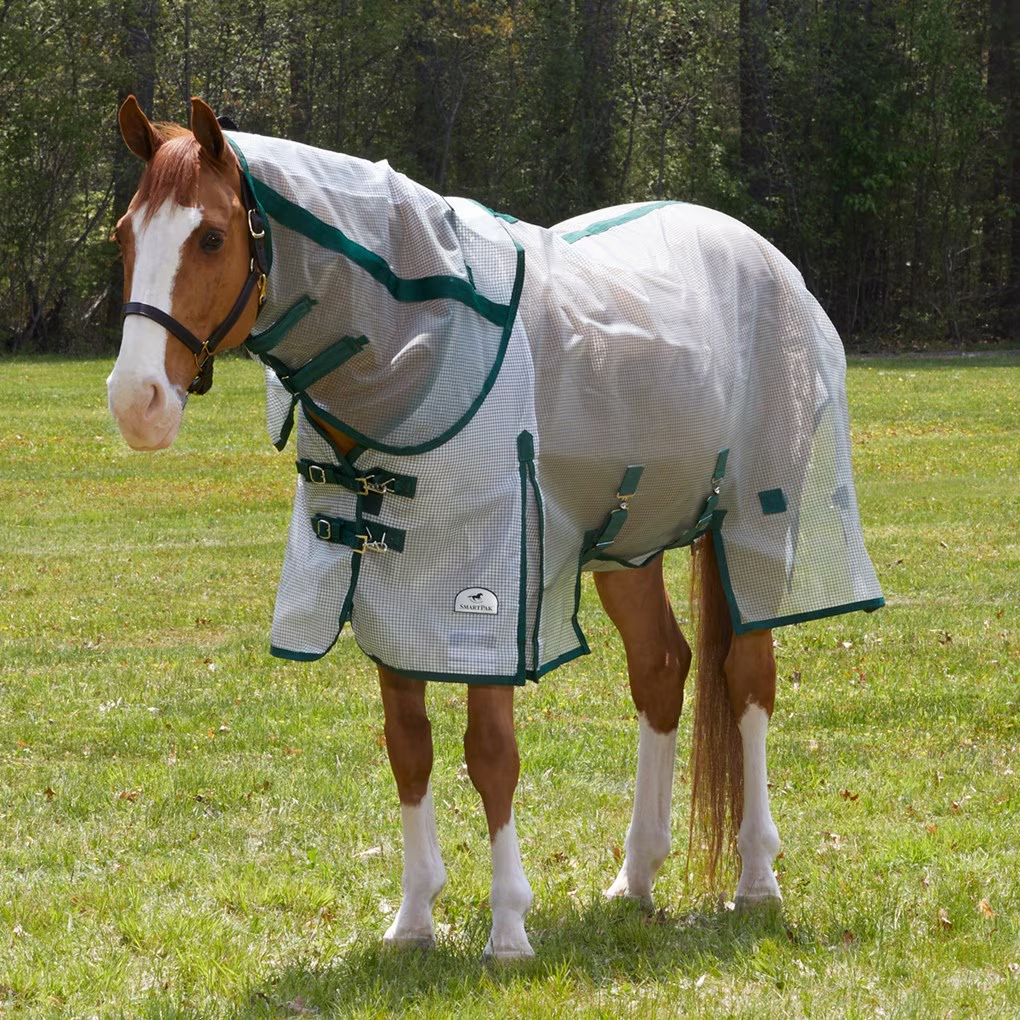
- To protect your horse’s sensitive barrel, belly and neck—areas insects love to target—a lightweight fly sheet is a worthwhile investment. Light-colored sheets offer the most benefit, as horseflies are attracted to dark colors. In addition, the lighter the color, the cooler the sheet will be. Opt for a style made with a fine, durable mesh (ripstop is the gold standard) that also has good UV blocking. This will help protect pink skin from sunburn and prevent dark coats from sun-bleaching. If the fly sheet comes with a wide belly band and/or a neck cover, even better!
- If your horse stomps at flies a lot, you might consider outfitting him with fly boots or wraps. Fashioned from a fine, lightweight mesh for maximum airflow, these are best secured around the legs with sturdy hook and loop closures. Should lost boots be an issue, a style with soft elastic might help. Be sure to check boots frequently for correct fit.
Conclusion
So, as you can see, there are many options for addressing those hated winged pests. In the end, however, it’s best to tailor your fly control program to your individual needs using a comprehensive, multi-pronged approach.
Start early in the season and be consistent with your methods but also willing to adapt to changing conditions. A little research and a lot of diligence will go a long way toward keeping your horse more comfortable and your barn fly-free.
Landing page image by Getty Images